Dear Reader, Thanks For Writing!

Writers appreciate hearing from their readers.

M. Weidenhoff

Writing can be a lonely business. You spend hours in your head, talking to yourself, hanging out with imaginary people.

You sit at a desk trying to spin chaos into order.

Some days, the jumble of words magically align, like a string of pearls to polish and present.  

But where these words land, who sees them, and how they are received is not always apparent.

That’s why it is so gratifying to hear from a reader–whether in-person, through email, or online comment. (I occasionally get a phone call but only from those I know personally.)

Many of you prefer communicating via the Contact Evelyn page rather than leaving a public comment. Some readers ask for writing advice.

Through my website, I’ve heard from men I once dated and friends from years back. Occasionally, I get a creepy letter or comment. That’s when the BLOCK option comes in handy.

My blog stats range far and near: Israel, India, Denmark, New Zealand, Romania. I hear from kindred spirits across the country. I feel fortunate to have met, in Real Life, two of my blog readers and was enriched by the experience.

My July 2022 post Is It Ever Too Late To Find Love? generated a lot of mail. (Including one marriage proposal!) You had lots to say on this topic and wanted to share your tales of both woe and joy in love.

Loui Juver

Because I write frequently about grief, I receive letters from readers sharing their personal loss. These are the hardest letters to read, but also the ones that most touch my heart.

A distraught woman who had just lost a close family member in a fiery car crash wrote to me a couple months ago. She read an essay I’d recently published in Chicken Soup for the Soul. Her letter was detailed, heartfelt, and, I admit, triggering for me.

Still, I took the time to answer the best I could, knowing that she was in the hardest part of her grief journey.
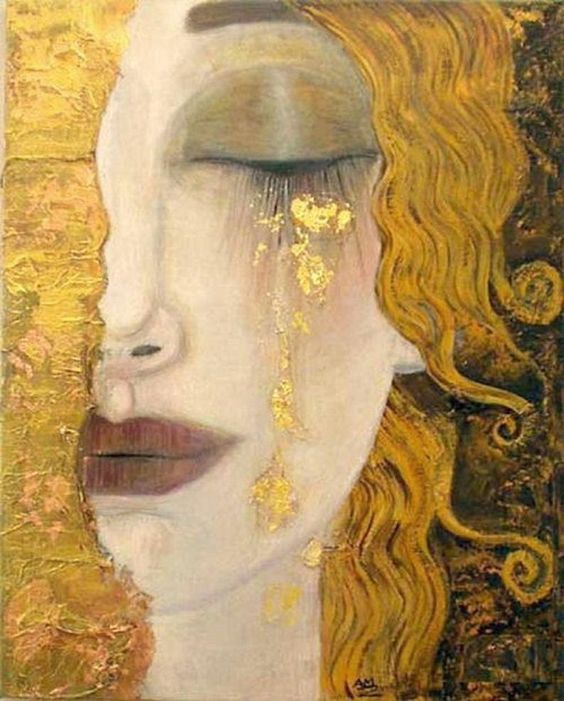
A.M Zilberman

Ten years ago, I published an essay in Tablet Magazine about feeling ambivalent toward my 20 year old daughter’s impending marriage. This story continues to circulate, probably around wedding season, and I receive emails from mothers and fathers in a similar predicament. Fortunately, I have gained wisdom since then to share, along with a happy ending.

I receive fewer letters about my short fiction, though some readers have questioned whether I was writing about them. Answer: No.

One of the most memorable letters came from a Montana reader of my YA novel, One Is Not A Lonely Number.

“I’m the only Jewish girl in my school. Reading your book made me feel less alone. Getting to know Talia and her friends meant so much to me. I loved the way you showed how they were religious but also regular girls who get into fights and mess up like everyone else...”

Whether a debut or seasoned author, such personal letters often mean more to the writer than a book review or promotional tweet (which, of course, are also appreciated!)

I like to pay the kudos forward.

After reading a book or story that impacted me, I will take a moment to find the author’s contact info and let him/her know. This practice has led to enjoyable correspondence for me as well.

We creative souls write for many reasons: to make sense of the world, understand ourselves, explore obsessions, persuade, provoke, illuminate, entertain, and inspire.

Many of us write to connect with others.

So, thank you dear reader for writing!

Writing in Key West: A Seminar Named Desire

Sun, sea, sand.

Three words that bring me joy in January.

Add to this trio communing with kindred spirits and the joyful picture is complete.

I recently spent a week in Florida at the Key West Literary Seminar exploring the craft of creative nonfiction under the guide of esteemed author David Treuer. 

This year’s Seminar theme was Desire.

For three hours each morning I, along with 10 other writers, grappled with how to tell true stories in engaging and meaningful ways. We considered subject, form, voice, detail, conflict, momentum, and dramatic arc.

We read and critiqued each other’s works-in-progress and learned strategies for creating compelling nonfiction. We discussed the writing life and shared our life stories. 

Doing this among strangers takes courage, but it wasn’t long until we bonded over our shared passion.

Being in the physical presence of fellow writers for the first time in over two years, was at times overwhelming. In a good way. Sometimes you don’t realize what you are missing until it arrives. 

Workshop friends
Workshop leader and author, David Treuer
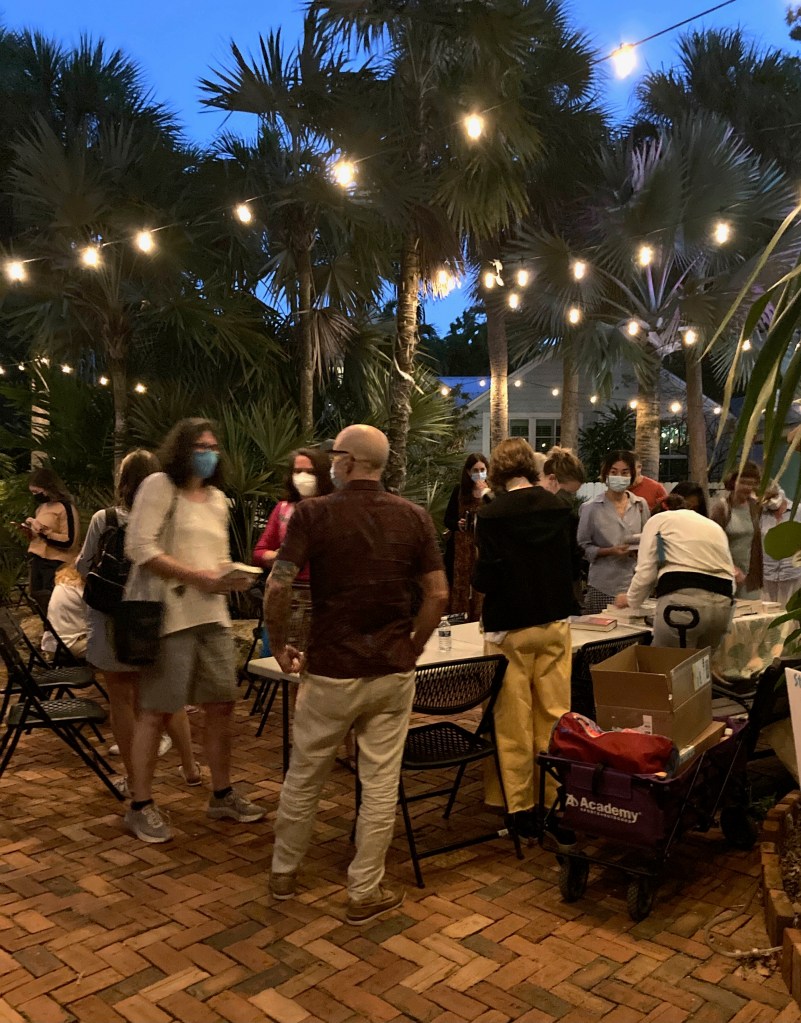
Writers on Writing talk and book signing.

Many literary luminaries wrote in Key West including Ernest Hemingway, Elizabeth Bishop, Shel Silverstein, Robert Frost, Tennessee Williams, Wallace Stevens, Anne Beattie, and Judy Blume.

Writers continue to draw inspiration from this unique place. If you visit, make sure to take the Literary Walking Tour. 

View from Hemingway House
Old Man and the Sea Exhibit
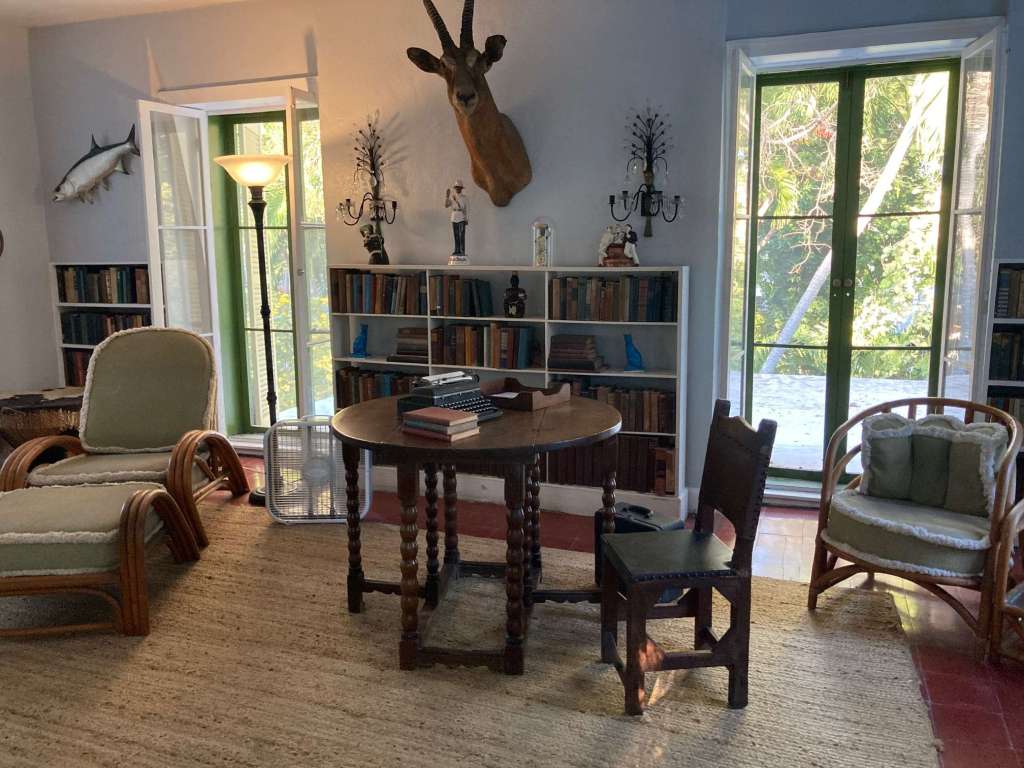
Hemingway’s writing studio
One of the 56 Hemingway cat descendants. This one six-toed.

The arts abound in the Key West. The island is only 5 square miles, easily walkable and bike rentals readily available. The place is full of color and character. I found the locals quite friendly.

The stars truly aligned for all this to happen amidst the Omicron threat. I am grateful to the Seminar committee for granting me a fellowship, along with the lovely accommodations at Eden House.

This break in routine, change of scenery, socializing, and inspiration all served to jump-start my creativity and motivation. 

I gained the direction and focus needed to complete the essay I’d struggled with for many months.  “The Bridge That Fell Down” is now ready to send out into the world. 

I hope you, too, can find ways to experience this much-needed rejuvenation, big or small, in anyway possible. 

The Art of Revision: Seeing your writing (and life) through new eyes.

Revising your writing involves seeing it through fresh eyes.

“My pencils outlast their erasers.” ~ Vladimir Nabokov

I’m always reminding my students that “good writing is re-writing”. 

I push them to read their work out loud. To look for redundancies. Delete unnecessary phrases.  Re-order sentences.

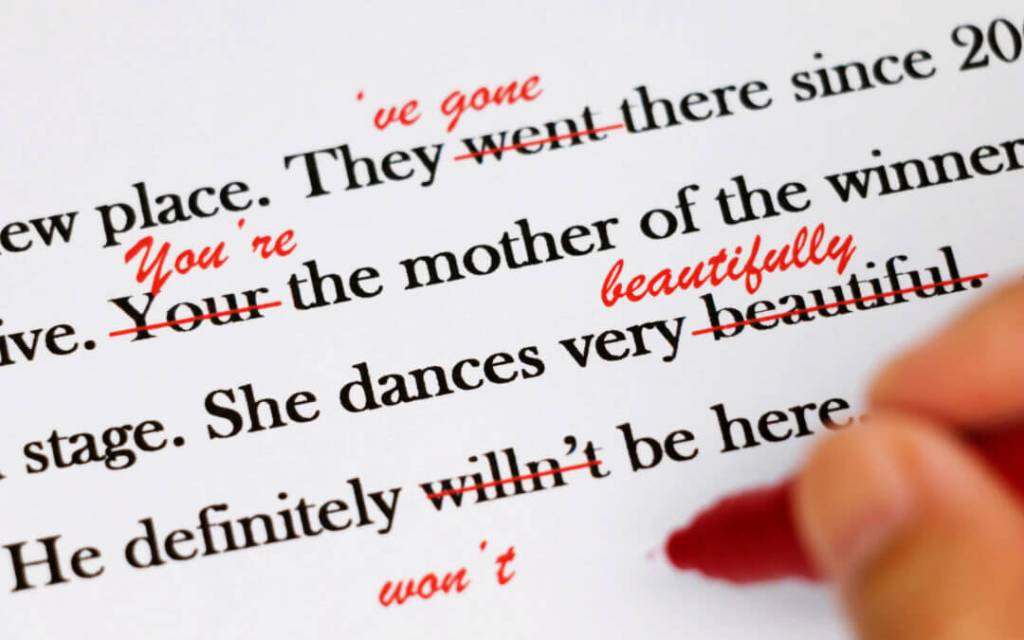
This is only a start, of course. Revising is not the same as editing. A perfectly grammatical essay can still be trite, boring, or nonsensical.

First comes the vision, then many revisions. 

What is the essence of your story?

What are you trying to say?

What do you want the reader to think/feel?

Revision is an art that’s both gratifying and frustrating.

Revising a story involves assembling many, many moving pieces into a cohesive whole. 

The mission is daunting and best not attempted as a solo task. There are many revision resources to help you.

Deep revision, however, means seeing your story through fresh eyes. This is not easy to do when you’ve been working on the same novel for three years.

That’s where critique partners, beta readers, mentors, and editors come in. These team players will gently point out flaws in your game. They’ll notice inconsistencies, pose thoughtful questions, and suggest revisions to help you reach your peak performance.

Sometimes these revisions are painful to employ.

Like cutting out large sections, or crafting a new beginning.

Or saying goodbye to a character.

Or changing the ending you thought was pretty darn clever.

In order to revise you must take in the big picture…

and then re-vision the story.  

When your clouded eyes begin to see anew, change is possible.

The art of writing revision can be applied to our lives.

We can look back at certain chapters of our life and realize we had misread them all along. Light shines on the pages. Contrasting colors come into view. Characters take on new dimensions. Truths are revealed. This re-vision shapes tomorrow’s unwritten chapters.

Revision allows for transformation.

We all have stories we tell about ourselves. We cling to these narratives, even when they no longer serve us.

Sometimes we need an editor to help us see where to make deletions, insertions, and add fresh imagery to our story.

And sometimes, the best—and hardest—thing to do is to let go of that story and begin a new one. ~

Closing Chapter 2020

You made it!

Ten months of pandemic living. Through losses and suffering. Bravo!

Hopefully you’ve managed to dodge the COVID bullet so far, or maybe you were lucky to recover.

If you’ve lost a loved one to this terrible virus, I offer a virtual hug and prayer for healing. 

Thank you to those who’ve reached out to me privately. I’m okay. Anxiety and stress are creativity killers. Throw in a pandemic, a contentious election, remote schooling, job and family matters, dooms day news… who wouldn’t feel wordstuck?

We’re all relieved to close Chapter 2020, but the story is far from finished. There will be dark moments for us all to pass through as we turn the page.

Yet, hope now shapes the final chapter of this sad story.  

As it happens, the end of 2020 coincides with my writing the final chapter of a novel-in-progress: a project that has taken too long for my liking. COVID time only deepened the chasm between my vision and its outcome.

When the warm weather finally arrived during Boston quarantine, my despair lifted. I became determined to see the project through. I tried to show up each day whether my muse accompanied me or not.

Somedays, I wrestled with words until my head ached.

Some days, I spent hours trying to spin chaos into order.

Some days, I was left with a mess I didn’t know how to clean up. 

And some days, the jumble of words magically lined up, like a string of pearls for me to polish. 

Still, I have no idea whether this book will see the light of day.

There is editorial interest and a grant backing me—a welcome vote of confidence. Yet the road ahead, like our New Year, remains uncertain. I have no control over the publishing market, or the particular tastes of an agent.

Luck factors in, too.

What I do have control over is the shape of my story—making it the best story possible. I can rewrite the beginning as many times as I see fit. The story’s ending is mine to tinker with until it feels right—“surprising, yet inevitable”.

We cannot write our own ending to the pandemic story. What we can do is try to write our own new chapter by focusing on taking good care of ourselves. 

We can nourish our souls with art, music, words, and nature.

We can reflect on what matters most to us now.  We can make revisions. We can get rid of the fluff—those details that no longer serve our story.   

Writing and revising is a lonely endeavor.  We need the support of others to offer encouragement and direction. 

So, as you begin Chapter 2021, be sure to look for kindred spirits, whether nearby or over the virtual bridge, who will help you write the best story possible. ~

6 Great Websites for Writers (Plus new interview)

How to get published.


writing_websites


Whatever kind of writing you aspire to, there’s a website or blog out there to help you get there. Here are 6 of my recommendations.

Pro Blogger

If you’re serious about blogging, want to grow your audience, and monetize, this website offers guidance, podcasts, extensive resources, and classes on every angle of professional blogging.

DIY MFA

Great for serious life-long learners of writing craft. Do It Yourself MFA helps you “write with focus, read with purpose, and build community”–all essentials for growing as a  writer. Offers articles, podcasts, resources, and classes.

Writer Unboxed

Want to get published? A host of contributors, best-selling authors, and industry professionals and a robust comment section all add up to a powerful guide to the business and craft of writing fiction.

The Positive Writer

Feeling stuck or discouraged in your writing? Bryan Hutchinson’s Blog is devoted to “encourage, inspiring, and motivated” writers at all stages of the game.

Funds for Writers

I’ve been a fan of Hope Clark’s website and newsletter for years. Hope is a full-time freelancer and novelist. Her vibrant site includes markets, competitions, awards, grants, publishers, agents, and jobs for your writing abilities at every stage of the game.  Show me the money!

WOW! Women on Writing

“An ezine promoting communication between women writers, authors, editors, agents, and readers” offers articles, contests, a blog, online courses, and industry news. Although aimed at women writers, there is a great deal here for all to learn from. Enjoy their award-winning flash fiction and essays. Their blog, The Muffin, offers daily writing tips and inspiration.

Here’s a short interview I did last month with WOW! after my essay, “The Geometry of Grief,” was a runner-up their recent contest.

What are your favorite online writing resources?