Sound Advice from My Old-Fashioned Dad


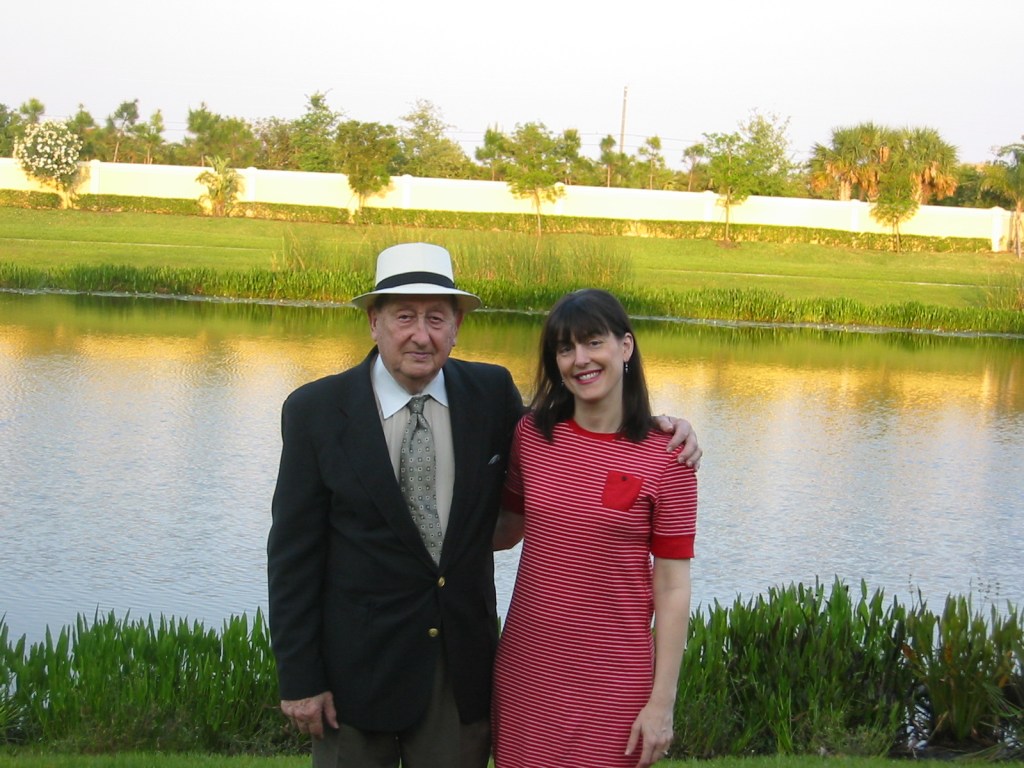
Before I left for college in New York City, Dad took me aside. “You know,” he said, “there will be parties. And you should go to them. But remember, you don’t need to drink alcohol just because everyone else does.” 

I refrained from eye rolling.

Dad spoke with genuineness, like he was letting me in on a party hack. “Just carry a coke!”

“A coke?” I said, never one to drink a lot of soda.

“Yes, but in a cocktail glass. Like a mixed drink. With ice. And just keep it in your hand as you mingle.”

Never a drinker, Dad explained that he did this back in his night club days and at New Year’s parties when everyone else was getting plastered. “This way, you look like you’ve got a rum and Coke, or maybe a beer, but you stay in control of the situation. You see sweetheart, nothing good happens when you lose common sense.”

I smiled, nodded. “Got it, Dad.”

 My father was an “older generation” dad. He believed in  manners, chivalry, and respect. I never heard him swear other than “damn or hell” and that happened only when he was really irritated. Never heard him tell a dirty joke, either. Nor did he gossip or complain. 

Dad also believed in proper dress. “Don’t go around looking like a slob,” he told my four brothers. We never saw him walk around in an undershirt or wear blue jeans. He was a man of suit and ties which he wore to his job at the IRS.

“You can never be overdressed,” Dad would say when any of us fretted about what to wear for a special occasion. “Pumps will never go out of style,” he told me when I showed him my new platform shoes.

So, I wasn’t fazed when my old-fashioned dad advised me to carry a Coke at college parties. I considered his idea kind of cute.

 I wish I could say I listened. 

 It took a few late night episodes of head-in-the-toilet to realize my 105 pound female body didn’t handle alcohol well. Soon after, I started carrying a Coke.

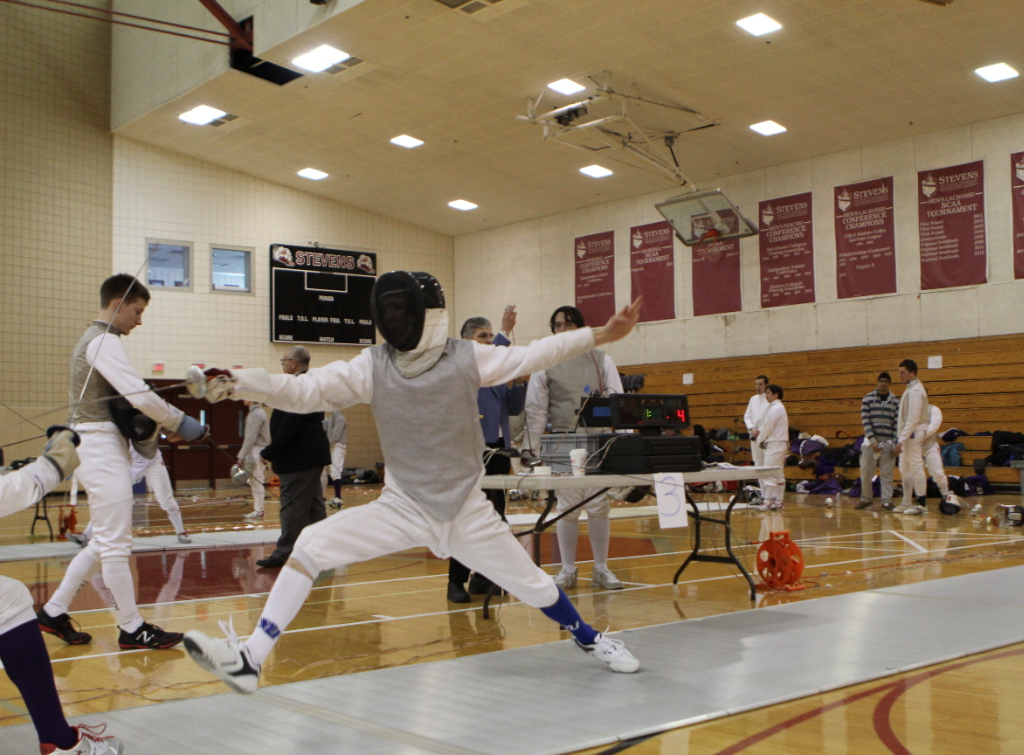
I observed  my drunk friends do stupid things, sometimes risky. Avoiding hangovers was also a plus for my dance training, just as my Dad, an Olympic fencer, must have known. 

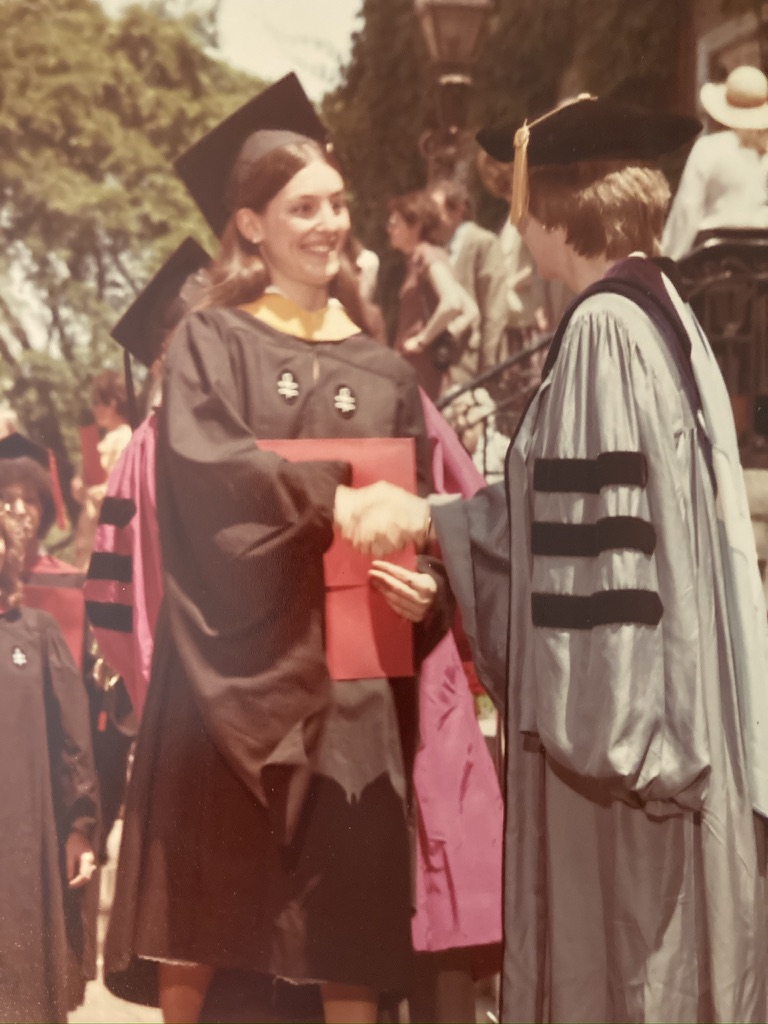
Thankfully, I spent more time with books than booze. I excelled in college, went on to grad school, became a reading specialist and writer, and had successful career in education along with raising three responsible kids.

All through my successes and failures, my proud Dad cheered me on, offering encouragement and guidance. The older I got, the wiser my father became. 

In 2015, Dad died suddenly and tragically, shattering our family.

Over the ensuing years, my siblings and I have found healing in honoring his memory. While sorting through Dad’s letters and cards, we met him all over again, this time as adults with children of our own. Mixed in with Dad’s news from the home front, were reminders and advice about college, dating, jobs, and finances.

Even with the age gap between my siblings, we discovered that our father was basically the same old Dad—supportive, loving, and consistent. A gentleman extraordinaire. 

One night, I and my two closest-in-age brothers were reminiscing while sharing a bottle of wine. I relayed Dad’s Coke story. 

Both my brothers sat upright. “He told me that, too!”

“Me too!”

We all had a good laugh. 

Dad’s college advice has become part of our family lore.

Sometimes, it’s the seemingly silly advice our parents give us that takes on greater meaning later on.

I came to understand that despite Dad’s casual tone back then, there was a deeper message. I think he was teaching me about safety, about self-respect, about staying in control. Maintain your dignity. Keep your head on straight. 

Dad didn’t need to lecture. He walked the talk.

 It has taken me many years to absorb his wisdom. ~

Circa 2005

What Are The Odds? Learning From Coincidences.

One of the cardinal rules of fiction writing is: do not use coincidence to solve a a character’s problem.

When coincidence is used in this way, readers feel manipulated–(which writers do all the time. The point is for the reader not to notice.)

Used cleverly, however, coincidence in fiction can set off a chain of events and deepen the meaning of the story. 

But what about in real life? Do coincidences have meaning?

The answer depends somewhat on your life outlook. Do you see the universe as a series of random events with no inherent connection? Do you seek scientific explanations for improbable events?

Or, do you believe some things are fated ?  Maybe you subscribe to the notion that “everything happens for a reason”? Perhaps you see Divine intervention in some coincidences.

You run into your former lover in a city you both have never been ten years after your parting with no contact in between. Each of you say you were thinking of the other in the past month.

Psychologist Carl Jung called these kind of events “synchronicities”, surprising juxtapositions that scientific rationale can’t explain. The word synchronicity means “together in time” and suggests an underlying order to our reality. A connection between everyone and every living thing. 

Jung saw synchronicities as a tool toward personal growth and meaning-making.

Just as we can derive meaning from reading a novel we know isn’t real, I think life’s coincidences can offer meaning, as well. Synchronicities evoke wonder and amazement. They remind us of life’s mystery.

The stranger or more improbable the coincidence, the greater our astonishment. 

A common category of coincidences is finding an uncanny connection with a person you meet.

On a recent flight from Boston to Chicago, the woman sitting beside me, to whom I hadn’t said a word the whole flight, asked me if the American Airlines terminal was very busy. 

“Oh, you’re not from Chicago?” I asked.

“No, just getting a connecting flight.”

I offered a few tips for navigating the O’Hare terminal. “Where are you headed?” I asked.

“Michigan.”

I smiled. “That’s where I grew up.”

What ensued was an enjoyable conversation with my seat mate.

We discovered that she and I had grown up in the same city just a mile apart. We’d both taken ice skating lessons at the same arena. We were both from large families and now had daughters the same age. We both had family still living in the area.

This in itself isn’t so incredible. What struck me is that the only reason we’d met is because I had taken the wrong seat. 

The woman who was assigned 22F told me not to bother moving. She was fine with taking 22A across the aisle.

While I’m usually friendly and enjoy meeting new people, when on “airplane mode” I’m either white-knuckling through turbulence with music piping in my ears, or busy working on my laptop.

Add a mask to the above mix and you might call me an anti-social flyer.

Once inside the airport, Lauren and I each unmasked to reveal our smiles. Then we exchanged contact info.

And the lesson from this coincidence?

Talk to people! Some strangers turn out to be friends you’ve not yet met.

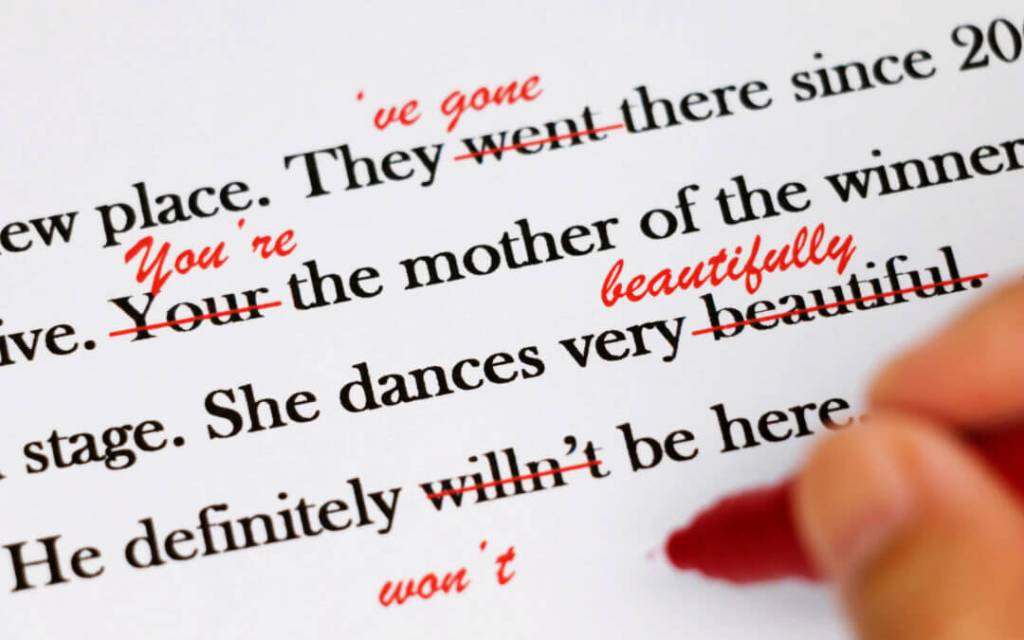
The Art of Revision: Seeing your writing (and life) through new eyes.

Revising your writing involves seeing it through fresh eyes.

“My pencils outlast their erasers.” ~ Vladimir Nabokov

I’m always reminding my students that “good writing is re-writing”. 

I push them to read their work out loud. To look for redundancies. Delete unnecessary phrases.  Re-order sentences.

This is only a start, of course. Revising is not the same as editing. A perfectly grammatical essay can still be trite, boring, or nonsensical.

First comes the vision, then many revisions. 

What is the essence of your story?

What are you trying to say?

What do you want the reader to think/feel?

Revision is an art that’s both gratifying and frustrating.

Revising a story involves assembling many, many moving pieces into a cohesive whole. 

The mission is daunting and best not attempted as a solo task. There are many revision resources to help you.

Deep revision, however, means seeing your story through fresh eyes. This is not easy to do when you’ve been working on the same novel for three years.

That’s where critique partners, beta readers, mentors, and editors come in. These team players will gently point out flaws in your game. They’ll notice inconsistencies, pose thoughtful questions, and suggest revisions to help you reach your peak performance.

Sometimes these revisions are painful to employ.

Like cutting out large sections, or crafting a new beginning.

Or saying goodbye to a character.

Or changing the ending you thought was pretty darn clever.

In order to revise you must take in the big picture…

and then re-vision the story.  

When your clouded eyes begin to see anew, change is possible.

The art of writing revision can be applied to our lives.

We can look back at certain chapters of our life and realize we had misread them all along. Light shines on the pages. Contrasting colors come into view. Characters take on new dimensions. Truths are revealed. This re-vision shapes tomorrow’s unwritten chapters.

Revision allows for transformation.

We all have stories we tell about ourselves. We cling to these narratives, even when they no longer serve us.

Sometimes we need an editor to help us see where to make deletions, insertions, and add fresh imagery to our story.

And sometimes, the best—and hardest—thing to do is to let go of that story and begin a new one. ~

Lessons from my Olympic Dad-Byron Krieger

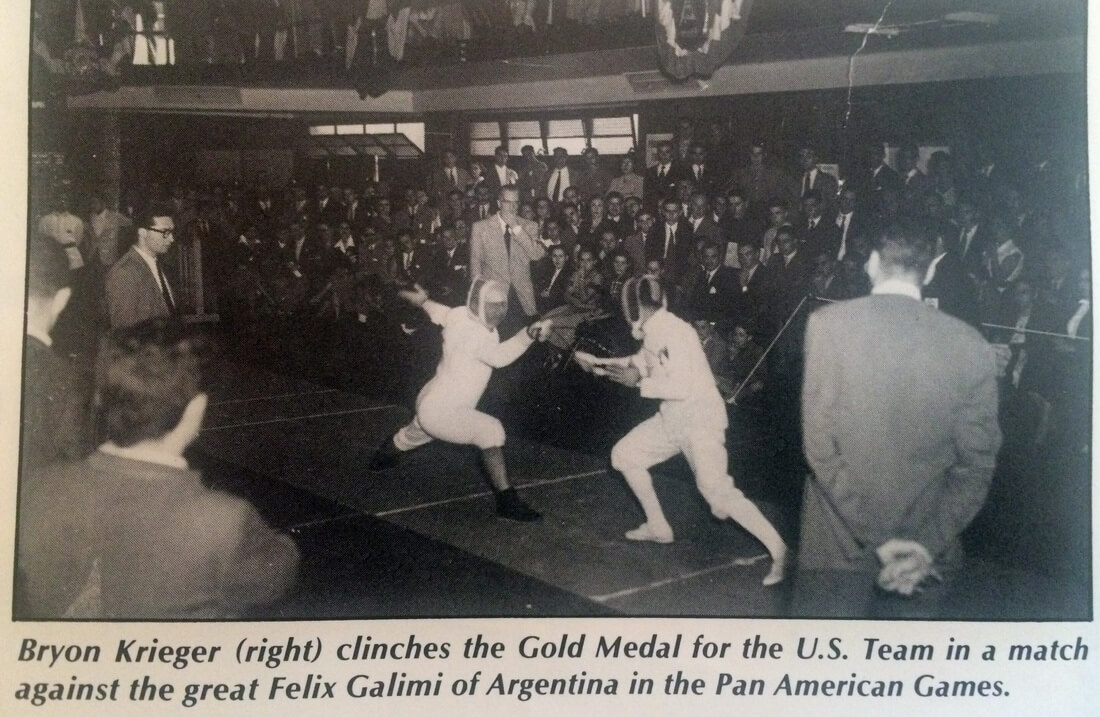
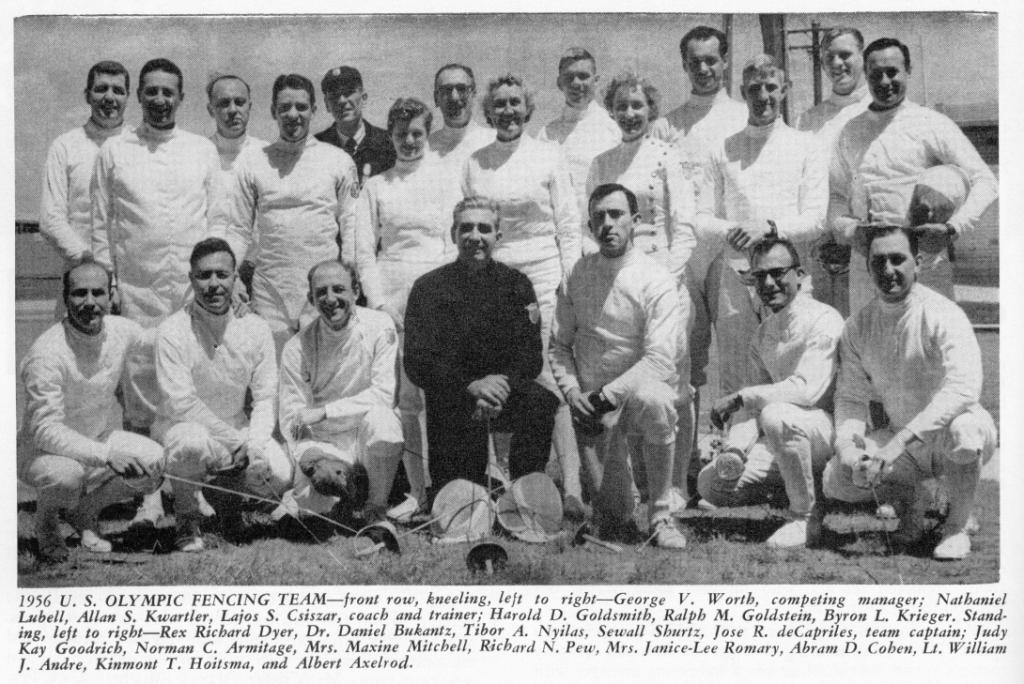
My Dad, Byron Krieger, was a two-time Olympic fencer.

He also competed in the Pan American games, the Maccabi games, and many regional/national tournaments. He’s in 3 Hall of Fames.

Dad never boasted about any of this. Growing up, my siblings and I enjoyed hearing stories of his fencing days. He was clearly proud, yet his accolades were most often relayed to us by our uncles and mother. Years later, we’d learn even more about his accomplishments through reading newspaper clippings. 

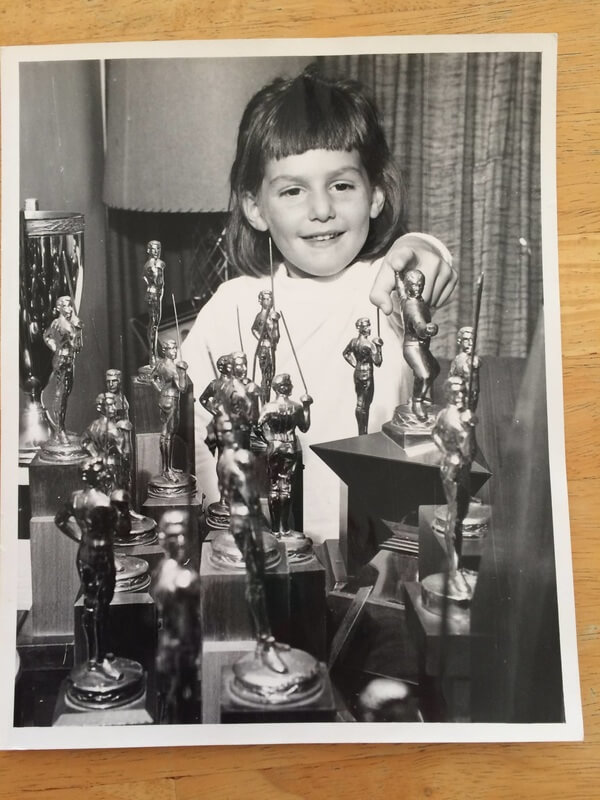
Dad’s trophies and medals lined our living room. I liked to read the plaques and run my hands over the golden fencer figure on top.

Our friends were impressed, though we usually had to explain the sport of fencing had nothing to do with backyard boundaries. Once the kids heard about swords, their eyes would pop. “Did he ever kill anyone?”


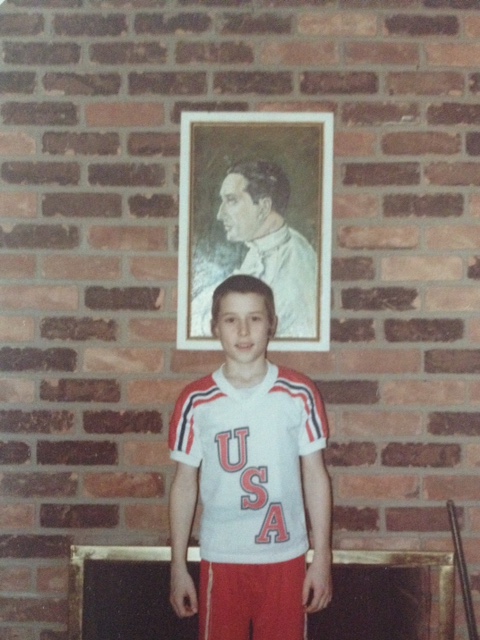
A portrait of my father wearing his Olympic uniform hung in our family room. I’m sure my mom put it up.

Throughout our childhood, our father’s quiet but powerful presence emanated from this painting.

It’s funny how family pictures can become part of the background noise that you don’t even notice, until one day, after not having seen it for many years, everything comes back. 

Now, I can feel the weight of expectation, mostly unspoken, yet fully absorbed:

Work hard. Strive for excellence. Never give up. Face your fears.

Once, as a teen, one of my brothers asked Dad if he could wear his Olympic warmup jacket that hung in our front closet. His answer, delivered with a smile, surprised us. “No, because you didn’t earn it.”

Today, our father’s jacket is displayed in the Museum of Fencing

There were other ingrained lessons, too, mainly taught by example, lessons I still try to live by.

*Be the better person

*Avoid gossip

*Be kind.

*Don’t hold grudges.

*Treat all people with respect.

*Practice good sportsmanship especially when you lose.

*Deflect uncomfortable conversations with humor. 

*Admit and learn from mistakes.

*Don’t complain

*Be proud of your heritage


To honor his legacy, I created the Byron Krieger athletic scholarship for talented students who embody Dad’s values. 

Gabriella Hirsch

One of the special outcomes of this endeavor was hearing from children and grandchildren of Dad’s Olympic teammates.

The inscription on my father’s gravestone reads: Humble Champion.

The short phrase sums up a long and abundant life. ~

One Day At A Time? Imagining post Covid life.

During the height of the Covid-19 pandemic, imagining the future seemed downright scary, if not impossible.

The undeniable uncertainty of the virus, along with the chaotic state of our society, seemed to demand we move toward the One Day At At Time, philosophy.

Planners and long-range thinkers surrendered. Those who had always tended to lived within the NOW, were more prepared to ride the anxious wave of uncertainty. 

Imagining a future safe hug from a distant loved one,

or a trip abroad,

or the sweet kiss of a grandchild,

was about as much forward thinking as many of us could handle.

Enough hope to light our way.

But thanks to a medical miracle, the world began opening up, albeit amidst continued divide and tragedy. 

A new kind of normal in which to navigate.

Some of us began to hope. To plan. To move forward.  To imagine a post COVID future.

Are you making travel plans? Saving for retirement? Revisiting your New Year’s goals? Starting a creative project? Moving?  Switching careers? Filing for divorce?

As we sort through the wreckage, many of us are re-evaluating our pre-pandemic life. Now seems like a ripe time for life renovation, no matter the losses. Even small repairs can reap enormous benefits. 

The uncertainty has always been there, just easier for us to deny. Worrying about the future isn’t helpful but planning, even if it’s just day-by-day, can get you there eventually.

This is how I feel about my novel-in-progress. I’m getting closer each day. But if I think too far ahead, I begin to imagine all the potential obstacles, the chance for failure.

I choke.

To temper the overwhelm that comes from looking too far forward, I recall E. L. Doctorow’s quote:

Pretty good life advice for us all at the present moment.