Blog

Sound Advice from My Old-Fashioned Dad


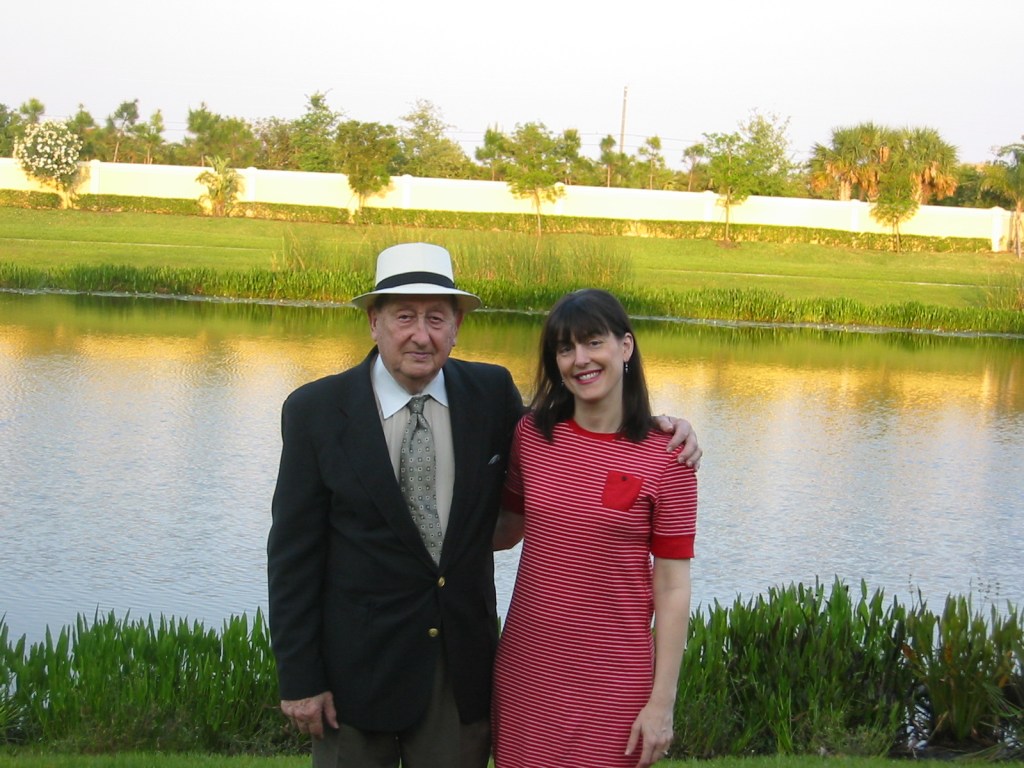
Before I left for college in New York City, Dad took me aside. “You know,” he said, “there will be parties. And you should go to them. But remember, you don’t need to drink alcohol just because everyone else does.” 

I refrained from eye rolling.

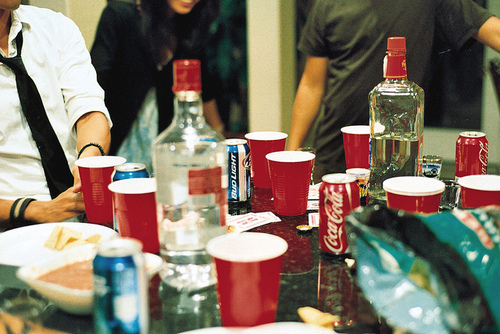
Dad spoke with genuineness, like he was letting me in on a party hack. “Just carry a coke!”

“A coke?” I said, never one to drink a lot of soda.

“Yes, but in a cocktail glass. Like a mixed drink. With ice. And just keep it in your hand as you mingle.”

Never a drinker, Dad explained that he did this back in his night club days and at New Year’s parties when everyone else was getting plastered. “This way, you look like you’ve got a rum and Coke, or maybe a beer, but you stay in control of the situation. You see sweetheart, nothing good happens when you lose common sense.”

I smiled, nodded. “Got it, Dad.”

 My father was an “older generation” dad. He believed in  manners, chivalry, and respect. I never heard him swear other than “damn or hell” and that happened only when he was really irritated. Never heard him tell a dirty joke, either. Nor did he gossip or complain. 

Dad also believed in proper dress. “Don’t go around looking like a slob,” he told my four brothers. We never saw him walk around in an undershirt or wear blue jeans. He was a man of suit and ties which he wore to his job at the IRS.

“You can never be overdressed,” Dad would say when any of us fretted about what to wear for a special occasion. “Pumps will never go out of style,” he told me when I showed him my new platform shoes.

So, I wasn’t fazed when my old-fashioned dad advised me to carry a Coke at college parties. I considered his idea kind of cute.

 I wish I could say I listened. 

 It took a few late night episodes of head-in-the-toilet to realize my 105 pound female body didn’t handle alcohol well. Soon after, I started carrying a Coke.

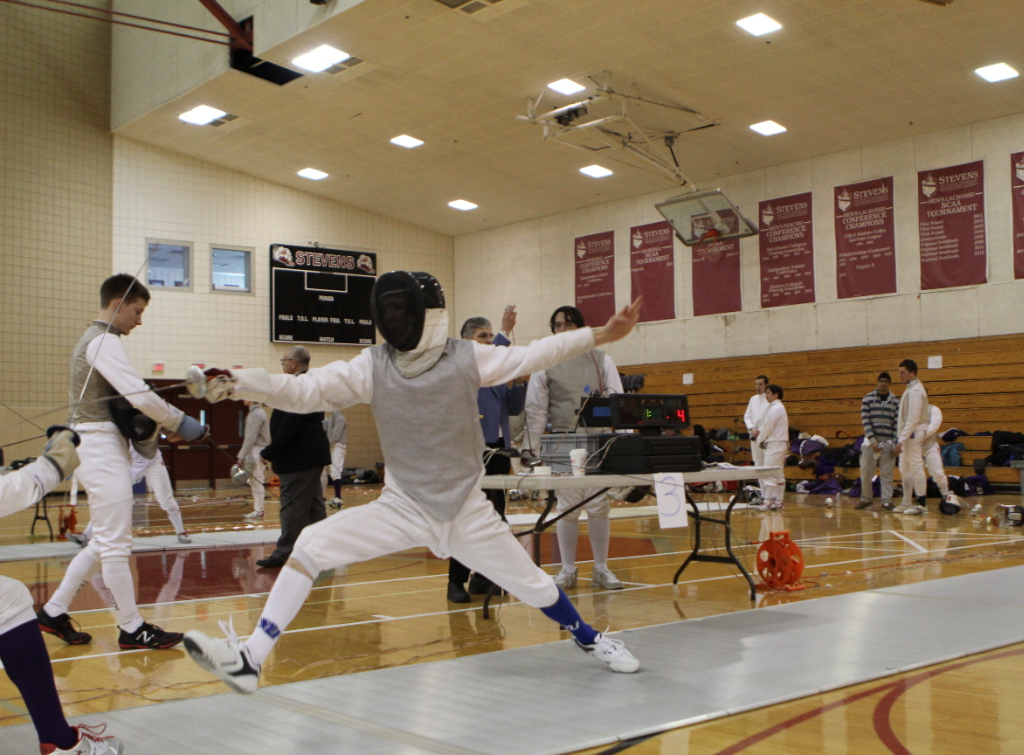
I observed  my drunk friends do stupid things, sometimes risky. Avoiding hangovers was also a plus for my dance training, just as my Dad, an Olympic fencer, must have known. 

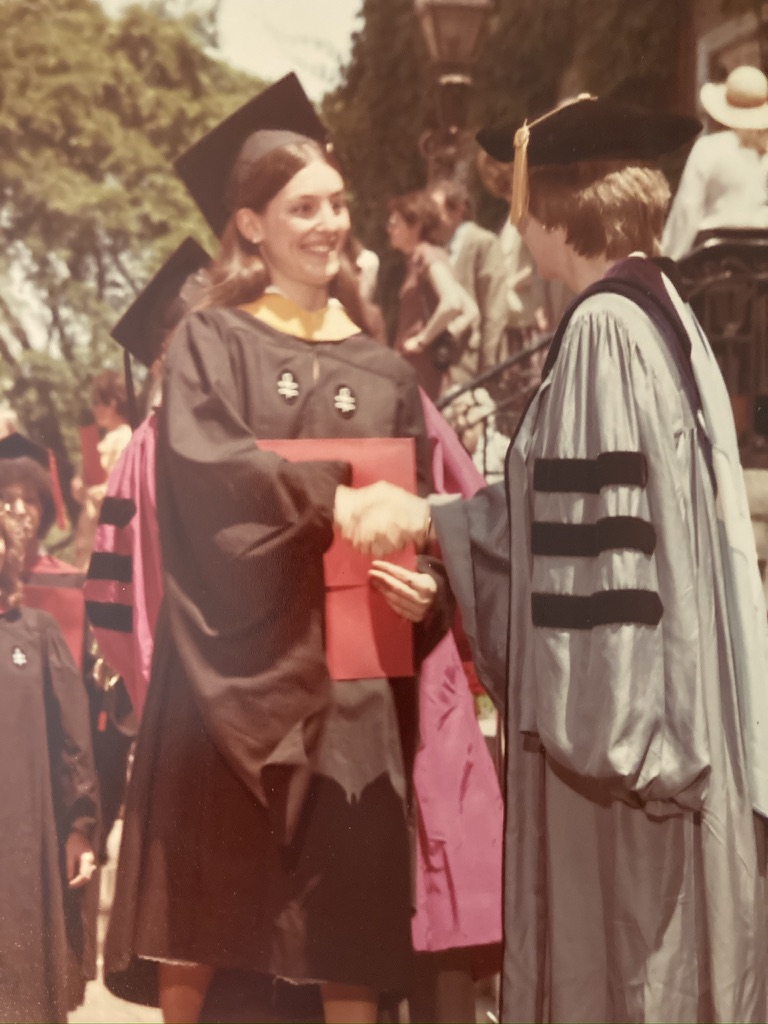
Thankfully, I spent more time with books than booze. I excelled in college, went on to grad school, became a reading specialist and writer, and had successful career in education along with raising three responsible kids.

All through my successes and failures, my proud Dad cheered me on, offering encouragement and guidance. The older I got, the wiser my father became. 

In 2015, Dad died suddenly and tragically, shattering our family.

Over the ensuing years, my siblings and I have found healing in honoring his memory. While sorting through Dad’s letters and cards, we met him all over again, this time as adults with children of our own. Mixed in with Dad’s news from the home front, were reminders and advice about college, dating, jobs, and finances.

Even with the age gap between my siblings, we discovered that our father was basically the same old Dad—supportive, loving, and consistent. A gentleman extraordinaire. 

One night, I and my two closest-in-age brothers were reminiscing while sharing a bottle of wine. I relayed Dad’s Coke story. 

Both my brothers sat upright. “He told me that, too!”

“Me too!”

We all had a good laugh. 

Dad’s college advice has become part of our family lore.

Sometimes, it’s the seemingly silly advice our parents give us that takes on greater meaning later on.

I came to understand that despite Dad’s casual tone back then, there was a deeper message. I think he was teaching me about safety, about self-respect, about staying in control. Maintain your dignity. Keep your head on straight. 

Dad didn’t need to lecture. He walked the talk.

 It has taken me many years to absorb his wisdom. ~

Circa 2005

The Seasons of our Creativity

Does the change of season affect your creativity?  

A friend of mine recently lamented about her creative slump. “All summer I was headstrong into my novel first thing in the morning. But come September, my energy tanked.”

There are studies to support that seasonal changes influence our creative minds and hearts. One suggests that the warmth of summer may make people more relationally creative and experimental.

The winter, on the other hand, may inspire more introspection and abstract thinking. 

Artists are sensitive to the rhythms and cycles of nature. We pick up on sensory cues of the season—sounds, textures, smells, light. Notice how much of seasonal change involves light—its intensity, color, slant, and warmth?

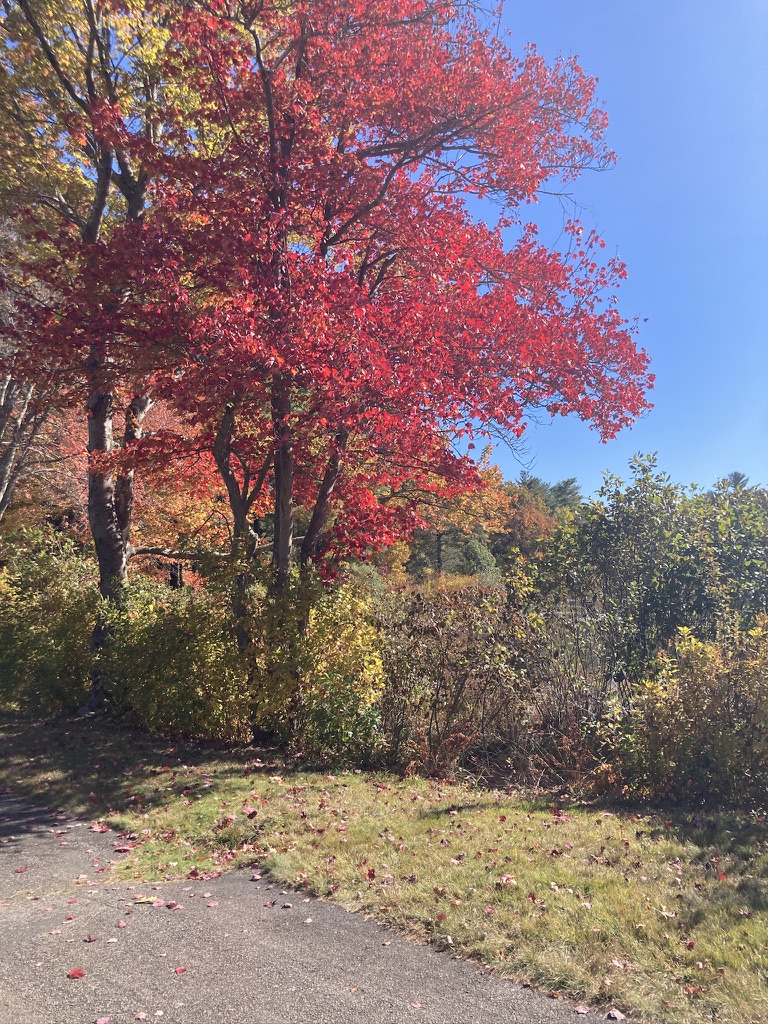
Autumn carries more gold in its pocket than all the other seasons.  ~Jim Bishop

It is not only the change in light and weather that impacts us, but the associations we carry with each season. Maybe you feel blue during the December holidays, while others are nostalgic or joyful.

Certain months of the year can stir bad memories or sadness around a particular loss. That’s November for me.

As a writer, I find I’m most creative in the summer time when I’m more relaxed. But because I want to be out doing summer-like things, I’m less productive.

In winter, I’m a hibernator, so this leads to more productivity as I spend more time inside at my desk.

Fall invites reflection and new beginnings with the start of school and the Jewish New Year.  

Like the seasons, our creativity ebbs and flows.

The ways in which this change impacts your mind, body, and heart will be unique to you.

As someone who is very sensitive to the seasonal changes, I have developed strategies to align my creative work with these fluctuations.  For example, since I suffer from *Seasonal Affective Disorder, Winter is the time I seek opportunities to commune with other creatives in a warmer climate.  I’ve been fortunate to attend writing workshops in Key West and St. Petersburg, Florida. 

We all have seasons in our life: new jobs, becoming parents, empty-nesting. Seasons of sickness. Seasons of relentless caregiving. Losing a parent. These times affect our productivity and our motivation.

Sometimes we have to surrender to the season and lower the bar for ourselves.

Consider the writer/editor Kendra Levin‘s sage advice:


In the life of any given writing project, we will go through seasons: Periods of germination, creativity, reaping…and lying fallow. We cycle through these phases of letting an idea bubble beneath the surface, drafting it onto the page, molding that first effort….and taking a break from it, to get the clarity and perspective that sometimes only distance can provide.  ~The Hero Is You


Our creative output does not take a linear path. And that’s okay.

Recognizing your own response to seasonal changes, can help you work more efficiently in any of your pursuits. Planning around your ebbs and flows can help build creative resilience.

The Spanish-American philosopher and poet George Santayana (1863-1952) wrote:


“To be interested in the changing seasons is a happier state of mind than to be hopelessly in love with spring.”

Santayana invites us to view change with curiosity. To let go of our infatuations.

Buddhism echoes this through the concept of impermanence. We cling to the past, to youth, to a lost lover, to a happier time. Such attachments lead to suffering. By releasing our hold on transient times, and accepting inevitable change, we become more appreciative of the present.

We can then embrace the beauty, gifts, and lessons of each season.

Is there a time of year when you feel more driven to embark on creative projects?

*Check out my tips for Beating Winter Blues

Don’t Give Up On Our Country!

The masks are off. Trump, MAGA Republicans, and their billionaire donors have given up on even pretending to govern for the people and are solely looking to line their own pockets and consolidate power.

We’re in a period of what the experts call “authoritarian breakthrough” –– a short period where a would-be authoritarian sprints to rapidly concentrate and consolidate their power while eroding the norms and institutions that could serve as checks on that power.

We’re witnessing this in real time through lawless executive orders, willful disregard for the courts, and vicious attacks on higher education, media, and state governments — and that’s only the tip of the iceberg.

They are working to consolidate their power and bully everyone else — businesses, media institutions, universities, law firms, and civil society — into submission. 

How do we fight back?

They want us to believe that power in America comes from the top down. That Trump can simply declare himself a dictator, and everyone has to fall in line. That he’ll inevitably win.

But that’s a lie. Power isn’t top-down — it’s bottom-up. Power flows up from the people; through the organizations, institutions, and communities that support the regime; and then to the regime itself. Think of it like a house — the roof is the regime, the pillars holding up that roof are the organizations, and the foundation is the people.  

To prevent a slide into authoritarianism, we have to take on the pillars that hold up the roof.

Let’s build a force bigger than fear and louder than hate. Let’s get ready. Let’s get organized. 

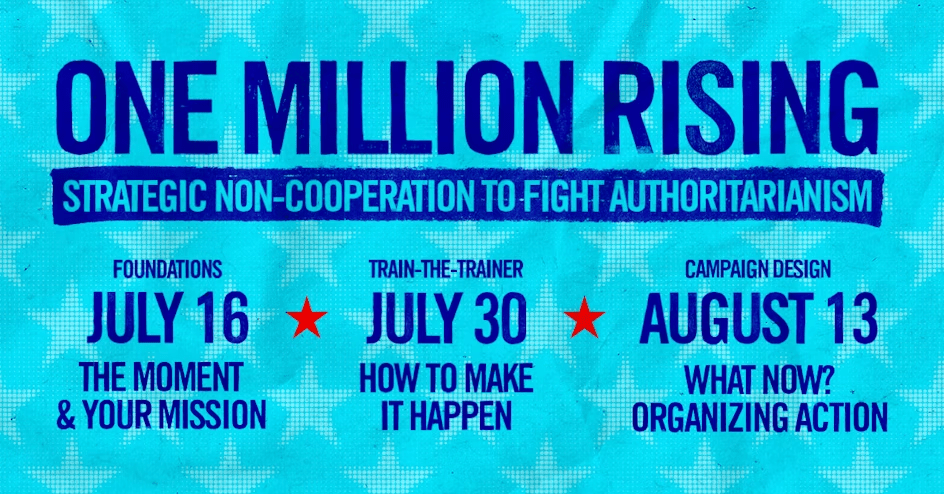
JOIN ONE MILLION RISING

How to Resist the Ugliness Surrounding Us

In the midst of the dark days of our dying democracy, I continue my morning practice of beginning the day in beauty.

I read a poem. View a lovely painting. Listen to uplifting music. Delight in photos of my innocent grandchildren. 

This provides a buffer before the morning headlines, before the latest chaos report from D.C. 


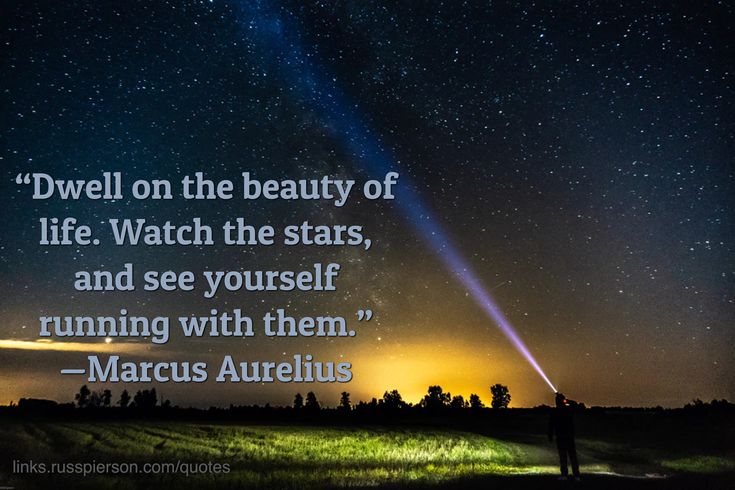
When the Roman stoic, Marcus Aurelius, wrote in his Meditations:  “Dwell on Beauty,” I think he meant more than just notice beauty around us.  Rather, he was urging us to surround ourselves with beauty, to pay attention, to live in it.

Beauty transcends.

This ancient advice never grows old.  The practice of dwelling on beauty can serve as an antidote to the ugliness of our time. 

Bullying. Denigration. Cruelty. Autocracy. Selfishness. Betrayal. Xenophobia. Racism. Hatred. Chaos. Violence. Unlawfulness. Lies. Polarization. Discrimination. Tyranny. Biogtry. Intimidation. Fascism. 

I admit this is not an easy practice.

It’s easier to fall into despair. 

Easy to get sucked into the vortex of vitriol.  

Yet, we cannot afford to crawl into our protective holes.


Now, more than ever—more than 2016—we cannot resign ourselves to defeat.

I invite you to join me and millions others in the Opposition. 

“Local groups build and wield power in ways that individuals can’t. To create change, you need the power that comes with working together.” INDIVISIBLE.ORG

“The Washington Democratic Party continues to fail to grasp that the raw material of a powerful Opposition has already emerged, and that it is waiting to built into something new and powerful.” ~ Simon Rosenberg THE HOPIUM CHRONICLES


We need to guard our hearts so we do not become hardened like the self-appointed mad king and his co-conspirators.

 In November 6,  I wrote about the power of words and art to uplift.  Pledge to begin your day in beauty. Share your delights with others.

Then rise up with courage and commitment for change. 

The road is long. Let’s travel together.


Turning to Poetry in Troubled Times

Whatever you are thinking, feeling this November 6th morning, I wish you both solace and hope today as we march forward into the unknown. Let’s do it together, with the power of words and art to uplift.

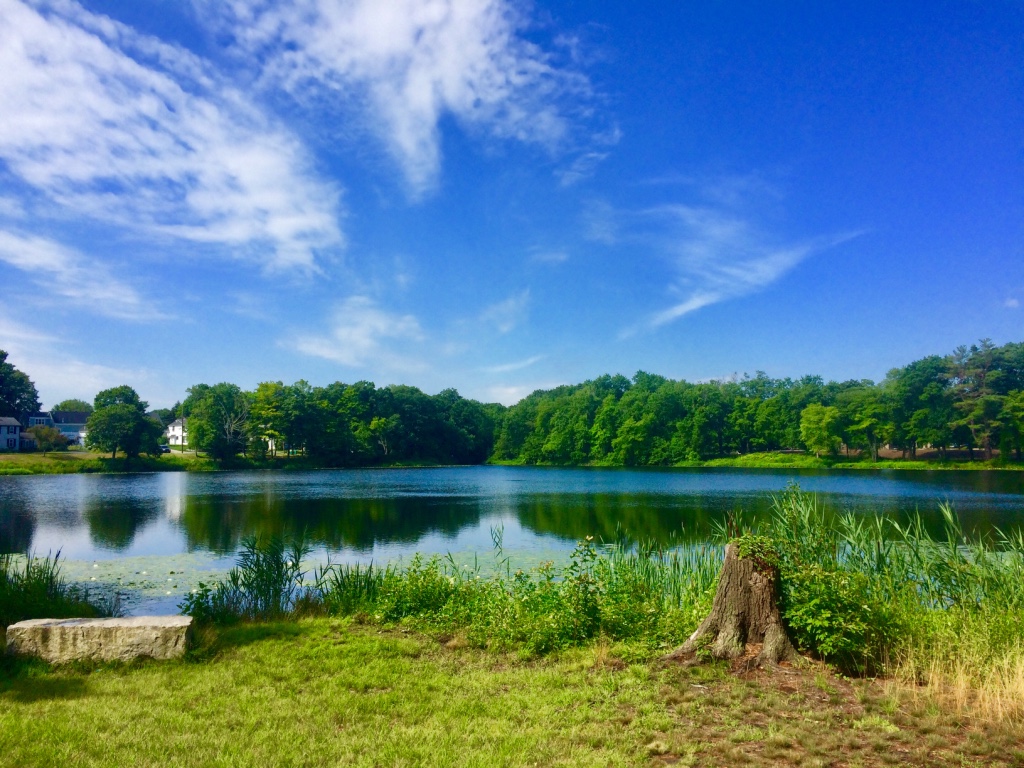
 “The Peace of Wild Things

by Wendell Berry (1968)

When despair for the world grows in me
and I wake in the night at the least sound
in fear of what my life and my children’s lives may be,
I go and lie down where the wood drake
rests in his beauty on the water, and the great heron feeds.
I come into the peace of wild things
who do not tax their lives with forethought
of grief. I come into the presence of still water.
And I feel above me the day-blind stars
waiting with their light. For a time
I rest in the grace of the world, and am free
.

From The Selected Poems of Wendell Berry (Counterpoint, 1999)