The Seasons of our Creativity

Does the change of season affect your creativity?  

A friend of mine recently lamented about her creative slump. “All summer I was headstrong into my novel first thing in the morning. But come September, my energy tanked.”

There are studies to support that seasonal changes influence our creative minds and hearts. One suggests that the warmth of summer may make people more relationally creative and experimental.

The winter, on the other hand, may inspire more introspection and abstract thinking. 

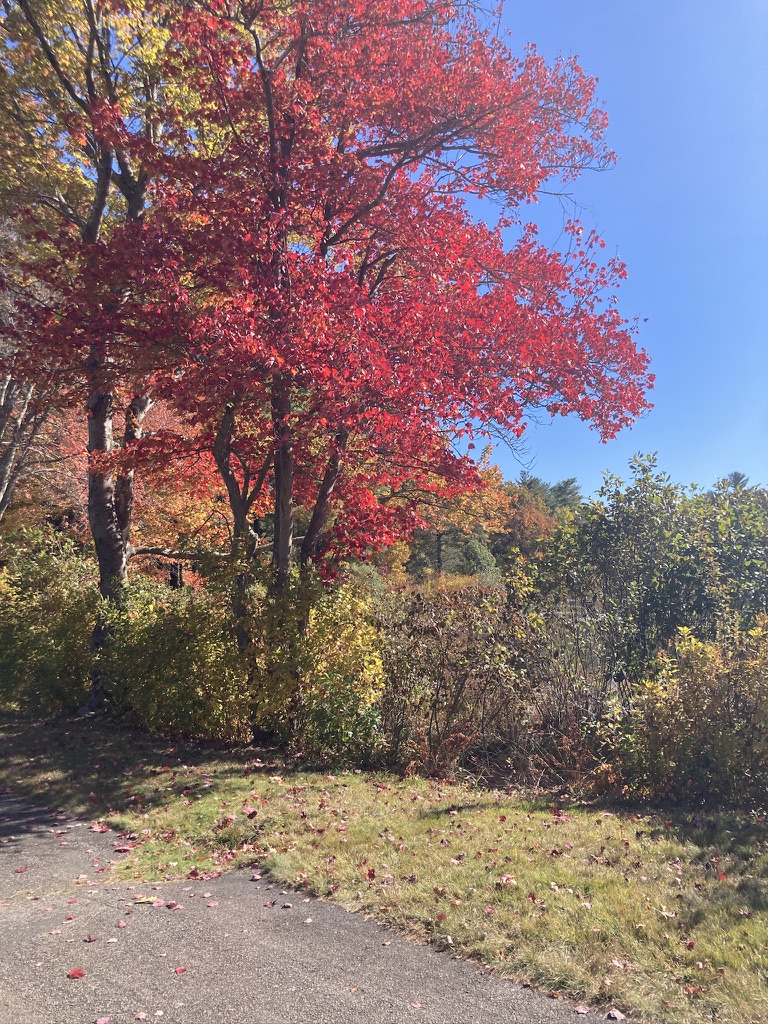
Artists are sensitive to the rhythms and cycles of nature. We pick up on sensory cues of the season—sounds, textures, smells, light. Notice how much of seasonal change involves light—its intensity, color, slant, and warmth?

Autumn carries more gold in its pocket than all the other seasons.  ~Jim Bishop
It is not only the change in light and weather that impacts us, but the associations we carry with each season. Maybe you feel blue during the December holidays, while others are nostalgic or joyful.

Certain months of the year can stir bad memories or sadness around a particular loss. That’s November for me.

As a writer, I find I’m most creative in the summer time when I’m more relaxed. But because I want to be out doing summer-like things, I’m less productive.

In winter, I’m a hibernator, so this leads to more productivity as I spend more time inside at my desk.

Fall invites reflection and new beginnings with the start of school and the Jewish New Year.  

Like the seasons, our creativity ebbs and flows.

The ways in which this change impacts your mind, body, and heart will be unique to you.

As someone who is very sensitive to the seasonal changes, I have developed strategies to align my creative work with these fluctuations.  For example, since I suffer from *Seasonal Affective Disorder, Winter is the time I seek opportunities to commune with other creatives in a warmer climate.  I’ve been fortunate to attend writing workshops in Key West and St. Petersburg, Florida. 

We all have seasons in our life: new jobs, becoming parents, empty-nesting. Seasons of sickness. Seasons of relentless caregiving. Losing a parent. These times affect our productivity and our motivation.

Sometimes we have to surrender to the season and lower the bar for ourselves.

Consider the writer/editor Kendra Levin‘s sage advice:


In the life of any given writing project, we will go through seasons: Periods of germination, creativity, reaping…and lying fallow. We cycle through these phases of letting an idea bubble beneath the surface, drafting it onto the page, molding that first effort….and taking a break from it, to get the clarity and perspective that sometimes only distance can provide.  ~The Hero Is You


Our creative output does not take a linear path. And that’s okay.

Recognizing your own response to seasonal changes, can help you work more efficiently in any of your pursuits. Planning around your ebbs and flows can help build creative resilience.

The Spanish-American philosopher and poet George Santayana (1863-1952) wrote:


“To be interested in the changing seasons is a happier state of mind than to be hopelessly in love with spring.”

Santayana invites us to view change with curiosity. To let go of our infatuations.

Buddhism echoes this through the concept of impermanence. We cling to the past, to youth, to a lost lover, to a happier time. Such attachments lead to suffering. By releasing our hold on transient times, and accepting inevitable change, we become more appreciative of the present.

We can then embrace the beauty, gifts, and lessons of each season.
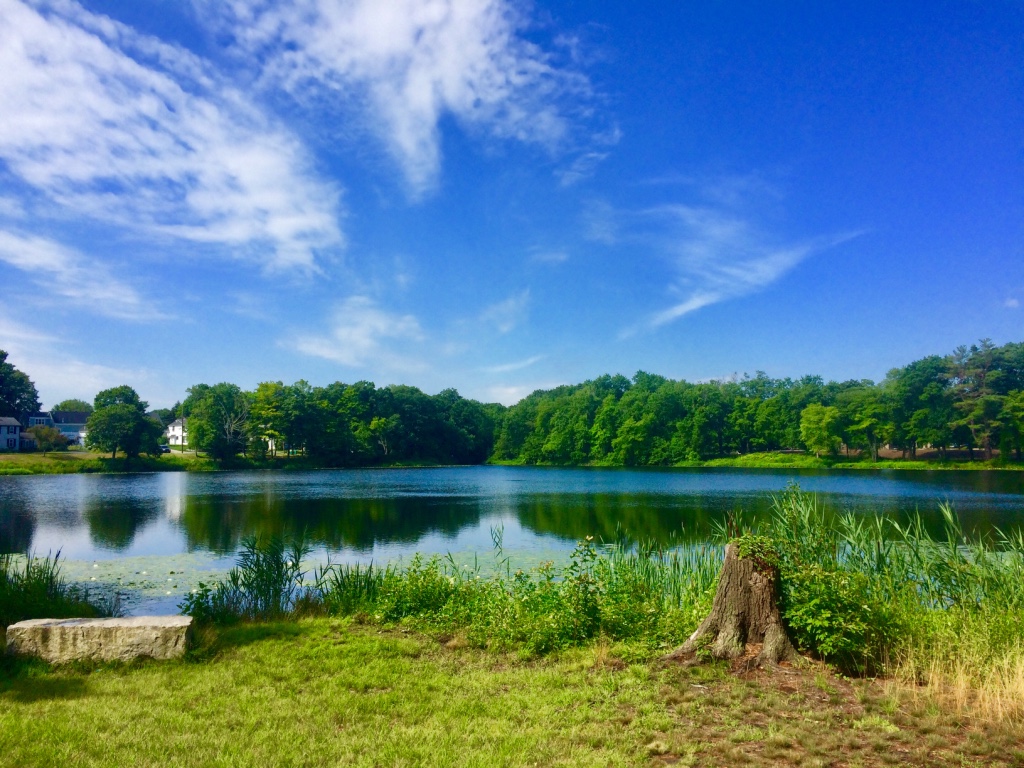
Is there a time of year when you feel more driven to embark on creative projects?

*Check out my tips for Beating Winter Blues

Closing Chapter 2020

You made it!

Ten months of pandemic living. Through losses and suffering. Bravo!

Hopefully you’ve managed to dodge the COVID bullet so far, or maybe you were lucky to recover.

If you’ve lost a loved one to this terrible virus, I offer a virtual hug and prayer for healing. 

Thank you to those who’ve reached out to me privately. I’m okay. Anxiety and stress are creativity killers. Throw in a pandemic, a contentious election, remote schooling, job and family matters, dooms day news… who wouldn’t feel wordstuck?

We’re all relieved to close Chapter 2020, but the story is far from finished. There will be dark moments for us all to pass through as we turn the page.

Yet, hope now shapes the final chapter of this sad story.  

As it happens, the end of 2020 coincides with my writing the final chapter of a novel-in-progress: a project that has taken too long for my liking. COVID time only deepened the chasm between my vision and its outcome.

When the warm weather finally arrived during Boston quarantine, my despair lifted. I became determined to see the project through. I tried to show up each day whether my muse accompanied me or not.

Somedays, I wrestled with words until my head ached.

Some days, I spent hours trying to spin chaos into order.

Some days, I was left with a mess I didn’t know how to clean up. 

And some days, the jumble of words magically lined up, like a string of pearls for me to polish. 

Still, I have no idea whether this book will see the light of day.

There is editorial interest and a grant backing me—a welcome vote of confidence. Yet the road ahead, like our New Year, remains uncertain. I have no control over the publishing market, or the particular tastes of an agent.

Luck factors in, too.

What I do have control over is the shape of my story—making it the best story possible. I can rewrite the beginning as many times as I see fit. The story’s ending is mine to tinker with until it feels right—“surprising, yet inevitable”.

We cannot write our own ending to the pandemic story. What we can do is try to write our own new chapter by focusing on taking good care of ourselves. 

We can nourish our souls with art, music, words, and nature.

We can reflect on what matters most to us now.  We can make revisions. We can get rid of the fluff—those details that no longer serve our story.   

Writing and revising is a lonely endeavor.  We need the support of others to offer encouragement and direction. 

So, as you begin Chapter 2021, be sure to look for kindred spirits, whether nearby or over the virtual bridge, who will help you write the best story possible. ~

How To Keep Writing When Life Throws You A Punch

How do you keep writing when life throws you a punch?

Rolling-With-Lifes-Punches

So you’ve been writing your 500 words a day, researching your new novel, making the revisions your editor suggested, starting a new essay, approaching an article deadline… when life throws you a punch. Your boyfriend leaves. Your kid is failing school. Your mom breaks her hip. You have a major fallout with a friend. Your mammogram is suspicious.

You’ve had one of those days. Or weeks. Maybe one of those months. You’re knocked off kilter. And so is your creative output.

Your focused mind becomes a traffic jam of negative thoughts. The words sit lifeless on the page. Whatever you’ve written, now seems crap.

Trying to write a book is challenging on the best of days. Now, the sadness or worry you’re feeling is compounded with each passing unproductive day. The fewer words you write, the more frustrated you become. 

Writers_Block

On days like these, I wish I were the kind of person who can don emotional blinders and keep churning out the pages. 

Writing itself sustains me during ordinary times, which is why it is essential to keep at it during hard times. Yet sometimes I find this extraordinarily difficult, particularly during the past two and a half years since my father was killed. The traumatic experience shed my already thin skin and it hasn’t grown back. Despite my healing, my brain remains sensitive to shock and perceived threats.  It doesn’t take much to knock me over. 

It’s happening right now.

How do you keep writing when life throws you a punch? 

Notice I didn’t say “if” but “when,” because it will happen. Often in waves. Disappointment. Anger. Hurt. Shock. Grief. Worry.  Emotions that can cut through creativity. 

I’d love to hear what’s worked for you. Here are a few things I’ve tried.

1. Take time out—but not too long

You wonder how you can possibly write anything worthwhile when you feel so bad. Your first impulse is probably to cast writing aside and attempt to numb yourself or engage in distracting activities.  Give yourself permission to have a bad week, to take time off—just try to designate a time limit. When a student I advise is crushed about a college rejection, I give him 3 days to mope, rant, or binge watch Netflix. Then it’s time to move on. So go ahead, curl up on the couch…just don’t stay there.

2. Switch writing gears

If you find it impossible to connect with your current project, try starting something new (but not too big).  Revise/edit an older manuscript.  Work on submissions.  Engage in research or brainstorm ideas.  Or write in a different genre. (Like I’m doing now with this blog post.) Read something inspiring. Journal writing can help you grapple with the problem and clear your mind.  Any writing you can do will make you feel better. 

3. Expect something good

There’s a Yiddish saying that originated in Chassidic teaching, “Tracht Gut Vet Zien Gut “—“Think good, and it will be good.”  The idea is that positive thinking will not only help you weather hard times but can actually make positive things happen.  I take this to mean that if you expect good things, you are more likely to attract them. The Universe may surprise you by sending a salve for your wound. Strange as it seems, this has worked for me.  Just this week, when feeling my lowest, I heard from a special person I hadn’t spoken to in years but had been recently thinking about. I also had a story accepted for publication.

Sometimes, though, the punch is more than a bad week or a misunderstanding. It’s a serious illness. The break-up of a marriage. The death of a loved one.  It may take a lot more time to find your words again, to rise out of the darkness. During such trials, I hope you have a special person to lift you up. 

Famed American novelist, Henry James, wrote, in July 1883, a most tender and compassionate letter of advice and comfort to his friend and fellow writer, Grace Norton of Boston.  Grace was despondent after the death of a family member.  Henry encouraged his dear friend not to give up on life.

My dear Grace, you are passing through a darkness in which I myself in my ignorance see nothing but that you have been made wretchedly ill by it; but it is only a darkness, it is not an end, or the end. Don’t think, don’t feel, any more than you can help, don’t conclude or decide—don’t do anything but wait. Everything will pass, and serenity and accepted mysteries and disillusionments, and the tenderness of a few good people, and new opportunities and ever so much of life, in a word, will remain.

James’s concluding words to Grace lift me each time I read them.

Sorrow comes in great waves…but it rolls over us, and though it may almost smother us… we know that if it is strong we are stronger, inasmuch as it passes and we remain. It wears us, uses us, but we wear it and use it in return; and it is blind, whereas we, after a manner, see.

Cemetery_Scene
Paul Christian Gelutu

You can read the letter in its entirety at  Letters of Note–Henry James or hear it on YouTube.

Love At First Write

Beginning to write
a novel is like a new romantic relationship.

BookLove

I’m enjoying a new romance. 

I can’t stop thinking about my love. I’m anxious when we’re apart. Our dates give me a high. The relationship feels shiny and new; so far I see no flaws.

You’d probably say I’m in the “honeymoon phase”.  And you’d be right.

My new love is not a man, though, (or even an adorable puppy).

It’s a novel. One that I’ve just started writing. We meet almost every day—at my desk, in the library or coffee shop. Sometimes in bed.

Previously, I’ve been through two long-term book relationships, each ending with publication.  I’ve had a few breakups along the way. And another relationship that ended after the honeymoon stage. Before meeting my new novel, I was separated from another one in-progress, 3/4 through the first draft, a story I believed in and still do.

So what happened? 

I hit a rough patch—the inevitable muddy middle and couldn’t find my way out. And then life intruded, taking away my time. Then bad stuff happened, taking away my words. The bad stuff gave power to my inner critic, The more time passed that I hadn’t worked on this book, the greater my despair. We lost our connection. I began to associate the story with pain and loss, so that every time I opened my laptop, my chest tightened.

I decided to take a break.

I went exploring. Studied my craft. Sought advice. I looked for inspiration. I nourished my soul. My heart opened. Then, when I wasn’t looking, I bumped into an old acquaintance.  The idea, notes, and first chapter had been sitting in a file for 6 years. And it still looked good. I felt a spark.

“Let’s meet for coffee,” I said.

Now I hear the main character’s voice in my head as I’m falling asleep.  I imagine future scenes of our story. I reread every word spoken so far. Sometimes while driving, I get so absorbed in thinking about the plot, I forget where I’m going.

Still, I worry about our future.

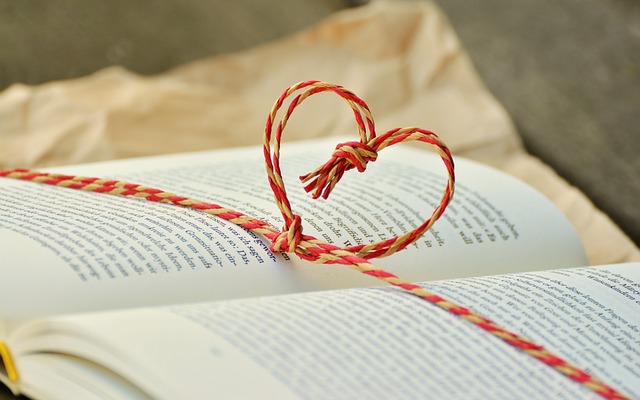
Heart_book-1760998_640

Just like some people are in love with the idea of falling in love, some people are in love with the idea of writing a novel. But for most, it remains just an idea. Writing the damn thing is really hard work. It takes a lot of time, self-discipline, and know-how. So you really need to fall in love with the story, at least in the beginning. And that’s just the writing part. Getting published requires a whole other set of know-how and connections. Even though I’ve been writing fiction for a long time, have studied the craft, won awards, and been published, I still find the process difficult, particularly trying to develop an idea for 300 pages…and doing it well. 

Of course, I am not alone in this struggle. And neither are you, if this is what you hope to accomplish.  Read enough author interviews and you’ll hear a similar lament. Doesn’t matter how many books they have under their belt, either. The spark of the new is exciting. It fuels ambition and optimism. But like any long-term relationship, you will hit a bump somewhere. You run out of things to talk about. You’ll partner’s flaws become magnified. Then one day you sit down at your desk and say, “What was I thinking?”

You fall out of love.

Writers_Block


There’s plenty of advice out there on navigating the midlife crisis of a manuscript (or any part of it, for that matter). As I noticed how similar my behaviors were to someone newly in love, I looked to the advice offered by marriage counselors to see if it might apply to writing through the rough patch.  Here’s what I found:

l.  Remember why you fell in love in the first place. 

    When you are stuck, rewind to the beginning. Write your mission statement for the novel. Think about the magical parts. Outline its future. Imagine the scenes yet unwritten.

2. Know that every relationship goes through rough times, some harder than others.

    Getting writer’s block, feeling stuck, disliking what you’ve written, are parts of the process of building a solid story. Calling it quits is sometimes necessary, but first, you have to ride the wave of uncertainty. Expect it. Make friends with it.  

3. Make time to nurture your relationship. 

    Saying that you’ll finish your book when the kids are in school, when you can quit your day job, or when you finish re-doing the basement, rarely works. You’ll eventfully, find another reason why “now” is not the right time—real or imagined. So strike when the iron is hot, even if that turns out to be 30 minutes a day or two hours on a Sunday. Meeting once a month is not enough to make progress. A year from now you’ll regret not having started.

4. Take a break if necessary.

     After putting in time and effort and you still feel stuck, try starting a new writing project. It’s like having a fling with no consequences. (What fun!) Then return to your book with renewed energy and fresh eyes. See how you feel.

5.  Get help.

The writing life can get lonely.  Working on a novel brings frustration and self-doubt no matter how experienced you are.  Don’t go at it alone. Find a critique partner. Join a writer’s group. Take a class or workshop. Attend a conference. Read guidebooks from those who walked the path.

5.  Don’t give up— at least without a fight.

    Sometimes the first novel is a warm-up, a learning experience. It becomes part of your past. Even great ideas may fizzle in execution. And not all books should be written. If you do decide to break up, at least you know you gave it your best. Then, you have to figure out what to do differently the second or third time around.  Maybe you’re hoping to finally meet the Right One. But how will you know? Writing a novel is as much a process of discovery as it is an act of creation. You will learn things about yourself. You’ll discover truths. You may create something you never thought possible, something more whole, real, and satisfying than earlier attempts.

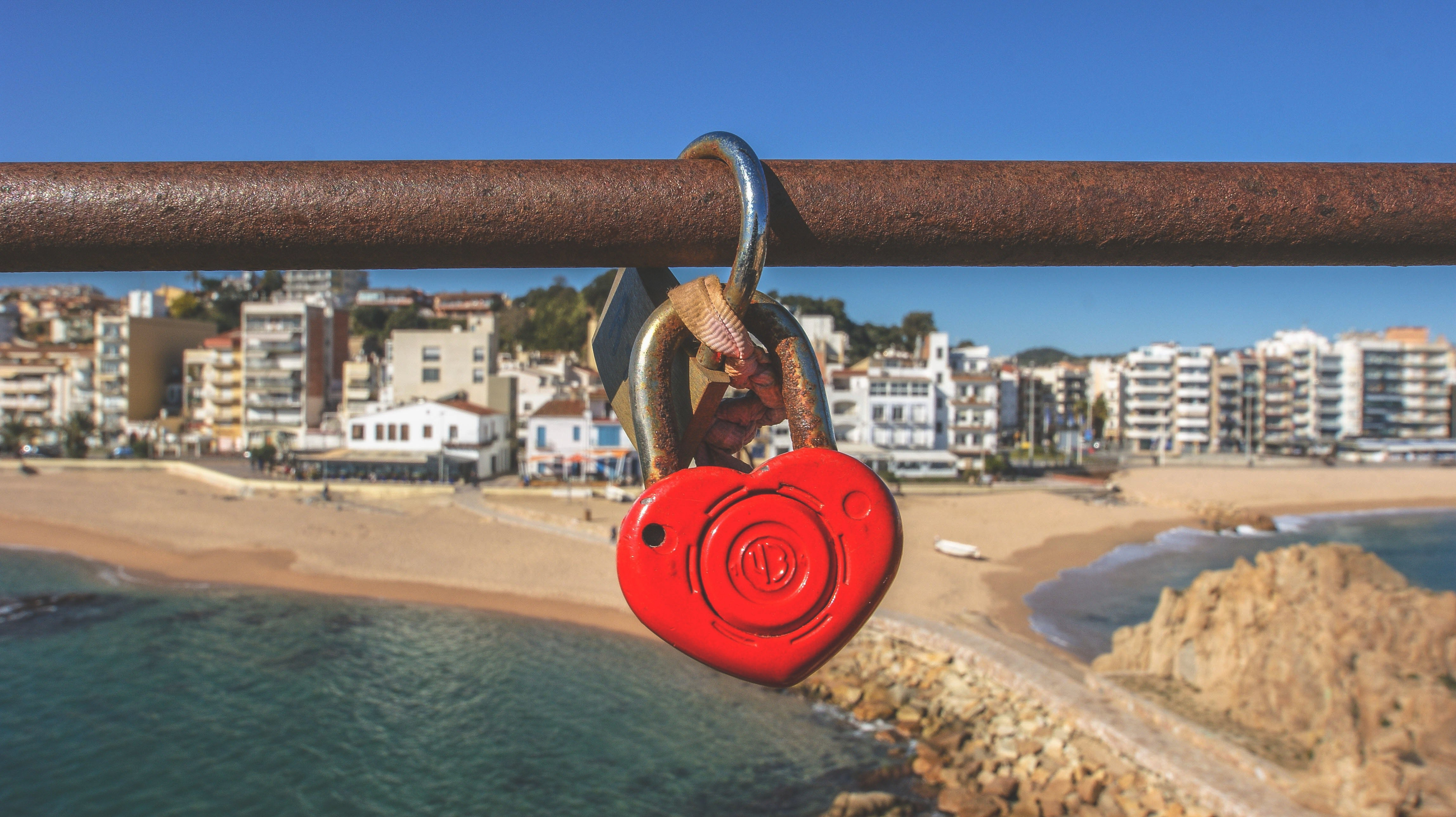
heart_lock_alex-martinez-62348-unsplash.jpg


The beginning of any relationship is both exciting and scary. Starting a new job, moving to another city, adopting a dog, making a new friend, all carry uncertainty.  In a romantic relationship, this is amplified. Does she like me for me?  Can I trust him? Is she the one? Can I commit? Will he still love me when I’m sixty-four?

Unlike humans relationships, a romance with a novel puts you in control. The book will never abandon you.

And you always have the last word.~  


Writing-the-end_andrew-neel-609844-unsplash

How many books will you write this year?

Sunday afternoons I usually devote to writing projects.  This Mother’s Day, after a little prompting from my family, I took the entire day off.  And I enjoyed myself!  That is, until later that evening when a NY Times headline caught my eye: Writer’s Cramp: In-E-Reader Era, a Book a Year is Slacking.

Oh, my.

Those commercial fiction writers who previously managed to put out a book a year are now “pulling the literary equivalent of a double shift.”  These writers, whom we love and hate, are churning out extras–short stories, novellas, e-books– to satisfy their impatient readers whose attention spans have shortened, thanks to our revved up world.

Thriller writer Lisa Scottline has revved up her daily quota to 2000 words.  That translates into a 12/7 workweek.

Best-selling literary novelists are, so far, off the hook. (Go ahead, take your ten years. We still love you!)  Since I don’t belong to either camp (not yet), I’m wondering what to make of this madness.  Between book marketing, building my platform, speaking engagements, circulating short stories, writing query letters, entering competitions, raising my kids, and the Other job, my next novel is still in note form.

Maybe I could offer this for 99 cents while my fans await the real thing.

Let’s suppose that you could (or do) write full-time?  How many books could you (would you) write in one year?