Calling creative writers of fiction, memoir, and essays. I’m teaching a 4 week, virtual workshop beginning Tues. Sept. 10, 7-8pm EST.
Each week, we’ll dive into the essential elements of great storytelling and explore ways to increase narrative power through a particular aspect of craft such as: sensory description, attention to detail, point-of-view, and economy of language.
Workshops are interactive and led through a guided slide presentation. Participants will have the chance to ask questions and share prompt responses throughout the hour. Each class will end with a weekly writing challenge.
Resources and additional readings related to the workshop theme will be offered.
After attending all 4 weeks, you may submit up to 2 pages of prose afterwards to receive an individual written critique.
If you are an aspiring writer, I invite you to spend your lunch hour Monday, Jan 29 via Zoom for a 30 min writing workshop. 12 PM EST.
This monthly workshop is offered free of charge throughThe Writers‘ Room of Boston, a shared writing space in downtown Boston for writers of all levels and genres. (Donations to the WROB appreciated!)
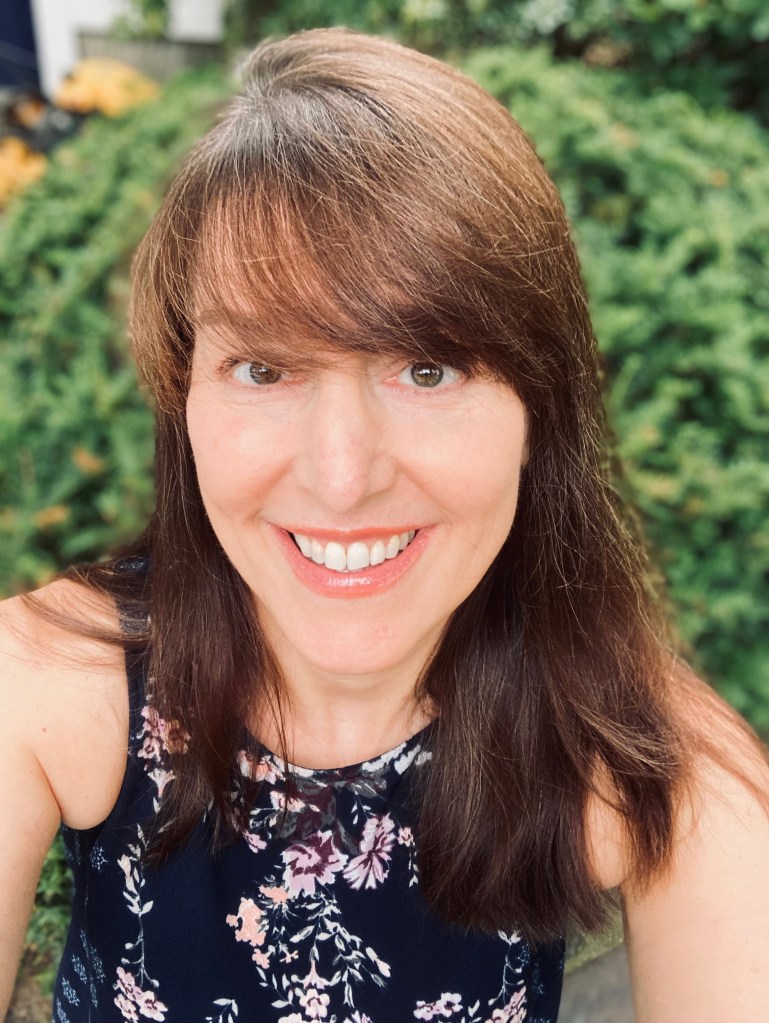
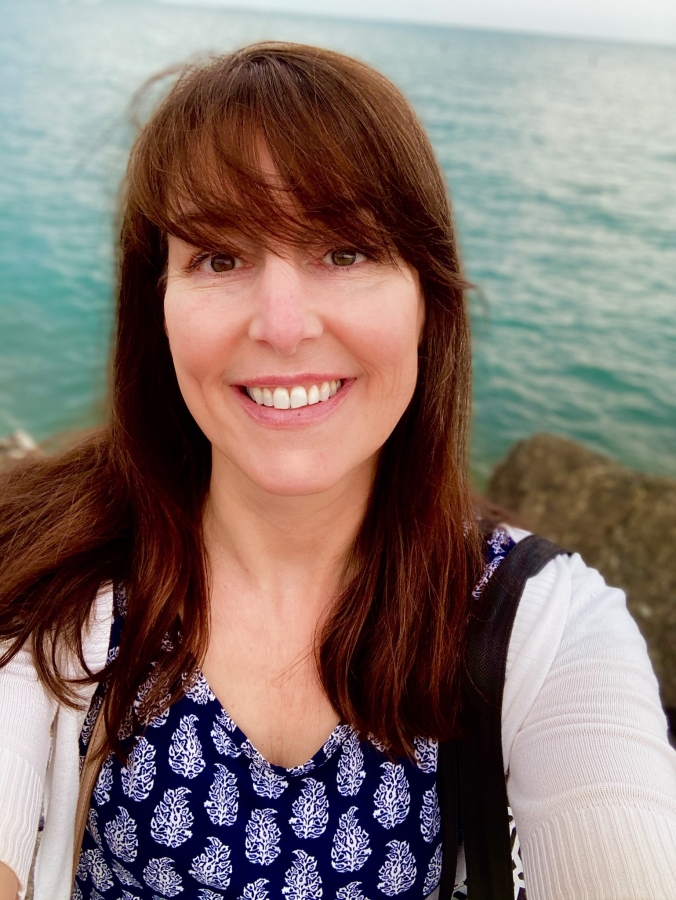
Photo Credit: Margery Gans
The WROB is a nonprofit and also offers fellowships, virtual memberships, readings, author interviews, and workshops online and in-person .
Each month we’ll dive into the essential elements of great storytelling. Whether fiction or essay or poetry, we will explore ways to increase narrative power through a particular aspect of craft.
Workshops are led through a guided slide presentation. Participants will have the chance to ask questions and share prompt responses. We’ll end with a monthly writing challenge.
Writers’ Room of Boston memberscan email me 2 pages of their writing for detailed feedback.
Add to this trio communing with kindred spirits and the joyful picture is complete.
I recently spent a week in Florida at the Key West Literary Seminar exploring the craft of creative nonfiction under the guide of esteemed author David Treuer.
This year’s Seminar theme was Desire.
For three hours each morning I, along with 10 other writers, grappled with how to tell true stories in engaging and meaningful ways. We considered subject, form, voice, detail, conflict, momentum, and dramatic arc.
We read and critiqued each other’s works-in-progress and learned strategies for creating compelling nonfiction. We discussed the writing life and shared our life stories.
Doing this among strangers takes courage, but it wasn’t long until we bonded over our shared passion.
Being in the physical presence of fellow writers for the first time in over two years, was at times overwhelming. In a good way. Sometimes you don’t realize what you are missing until it arrives.
Workshop friends
Workshop leader and author, David Treuer
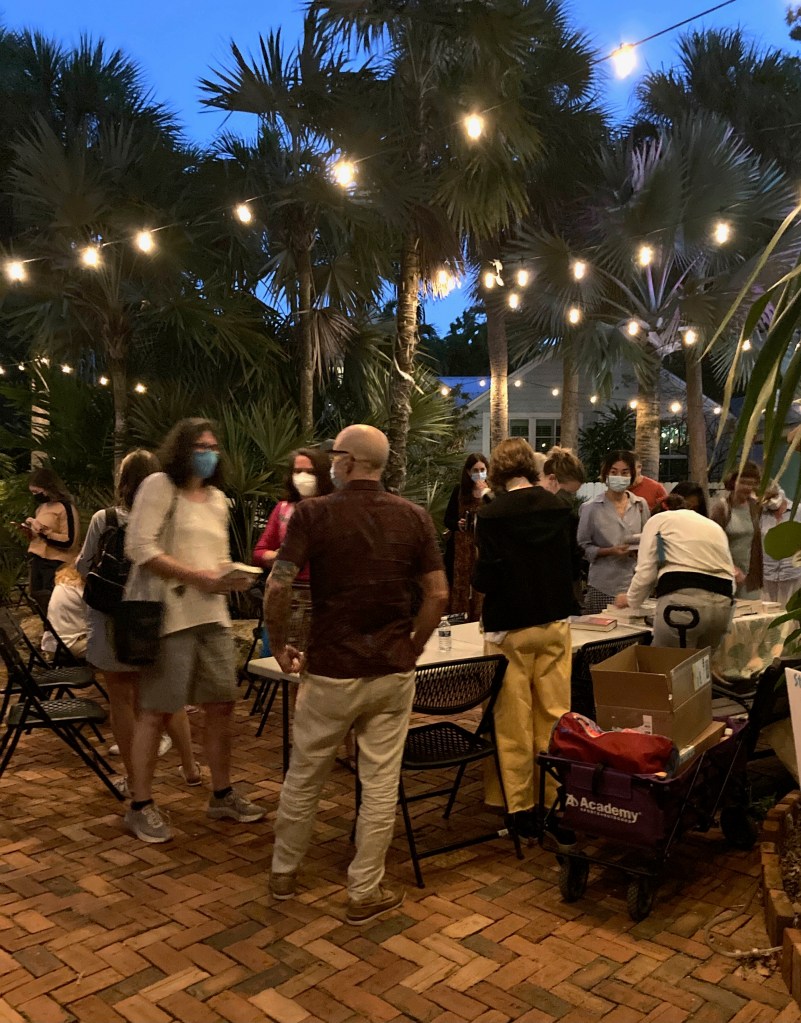
Writers on Writing talk and book signing.
Many literary luminaries wrote in Key West including Ernest Hemingway, Elizabeth Bishop, Shel Silverstein, Robert Frost, Tennessee Williams, Wallace Stevens, Anne Beattie, and Judy Blume.
Writers continue to draw inspiration from this unique place. If you visit, make sure to take the Literary Walking Tour.
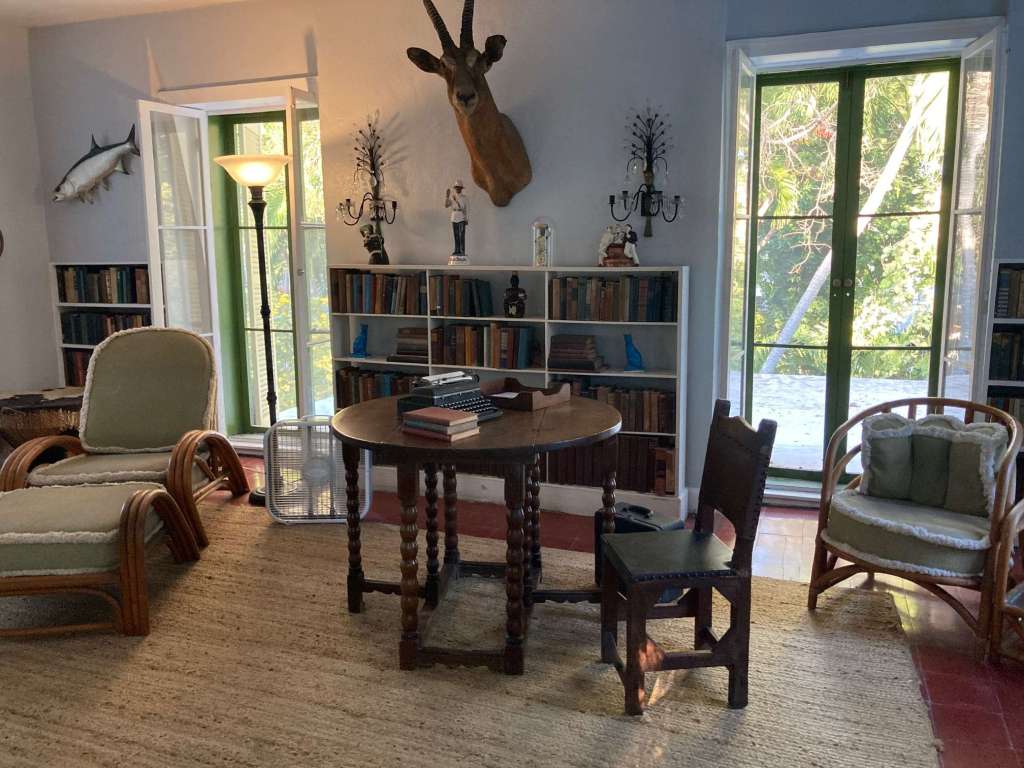
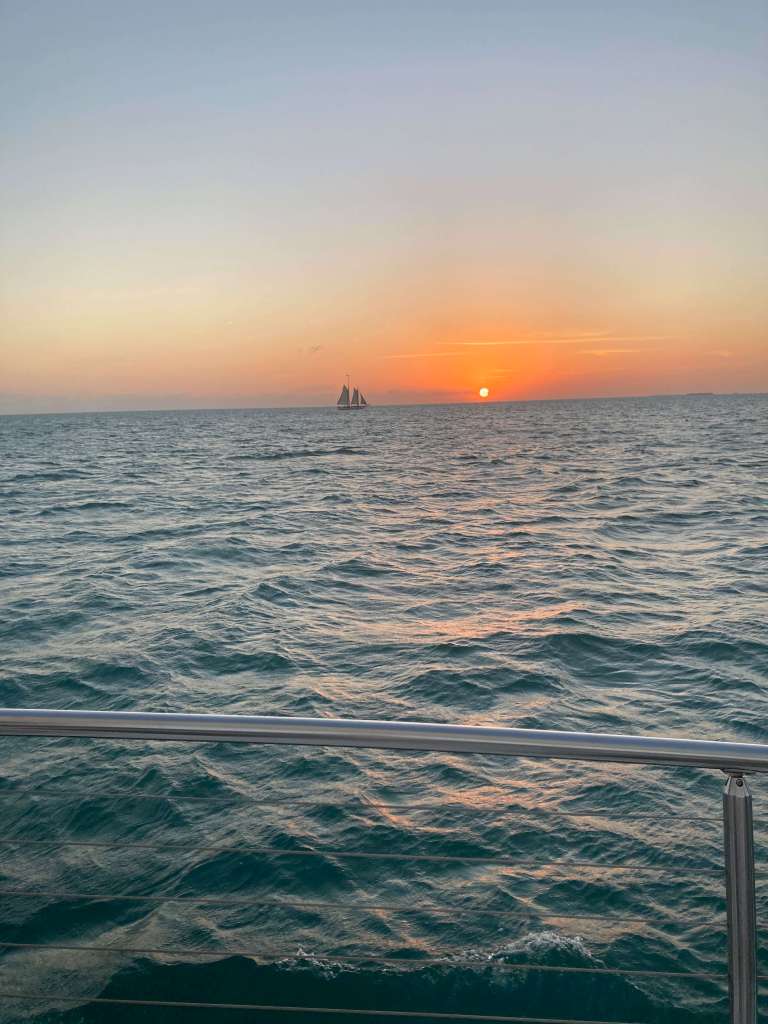
View from Hemingway House Old Man and the Sea ExhibitHemingway’s writing studioOne of the 56 Hemingway cat descendants. This one six-toed.
The arts abound in the Key West. The island is only 5 square miles, easily walkable and bike rentals readily available. The place is full of color and character. I found the locals quite friendly.
The stars truly aligned for all this to happen amidst the Omicron threat. I am grateful to the Seminar committee for granting me a fellowship, along with the lovely accommodations at Eden House.
This break in routine, change of scenery, socializing, and inspiration all served to jump-start my creativity and motivation.
I gained the direction and focus needed to complete the essay I’d struggled with for many months. “The Bridge That Fell Down” is now ready to send out into the world.
I hope you, too, can find ways to experience this much-needed rejuvenation, big or small, in anyway possible.
Revising your writing involves seeing it through fresh eyes.
“My pencils outlast their erasers.” ~ Vladimir Nabokov
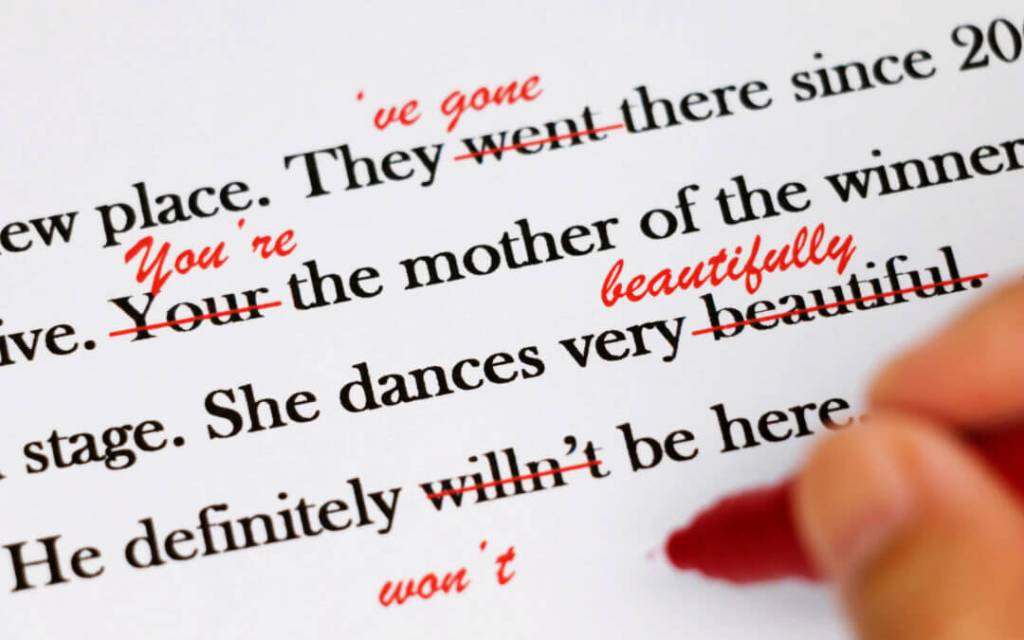
I’m always reminding my students that “good writing is re-writing”.
I push them to read their work out loud. To look for redundancies. Delete unnecessary phrases. Re-order sentences.
This is only a start, of course. Revising is not the same as editing. A perfectly grammatical essay can still be trite, boring, or nonsensical.
First comes the vision, then many revisions.
What is the essence of your story?
What are you trying to say?
What do you want the reader to think/feel?
Revision is an art that’s both gratifying and frustrating.
Revising a story involves assembling many, many moving pieces into a cohesive whole.
The mission is daunting and best not attempted as a solo task. There are manyrevisionresources to help you.
Deep revision, however, means seeing your story through fresh eyes. This is not easy to do when you’ve been working on the same novel for three years.
That’s where critique partners, beta readers, mentors, and editors come in. These team players will gently point out flaws in your game. They’ll notice inconsistencies, pose thoughtful questions, and suggest revisions to help you reach your peak performance.
Sometimes these revisions are painful to employ.
Like cutting out large sections, or crafting a new beginning.
Or saying goodbye to a character.
Or changing the ending you thought was pretty darn clever.
In order to revise you must take in the big picture…
and then re-visionthe story.
When your clouded eyes begin to see anew, change is possible.
The art of writing revision can be applied to our lives.
We can look back at certain chapters of our life and realize we had misread them all along. Light shines on the pages. Contrasting colors come into view. Characters take on new dimensions. Truths are revealed. This re-vision shapes tomorrow’s unwritten chapters.
Revision allows for transformation.
We all have stories we tell about ourselves. We cling to these narratives, even when they no longer serve us.
Sometimes we need an editor to help us see where to make deletions, insertions, and add fresh imagery to our story.
And sometimes, the best—and hardest—thing to do is to let go of that story and begin a new one. ~
This is a compliment any fiction writer would love to hear.
To craft memorable stories, the writer needs to enter the mind and heart of her characters and then bring them to life on the page.
How do you do this?
You can find excellent guide books on this fascinating topic. For starters, I’l offer key traits a writer should cultivate when trying to get into someone else’s head.
–Curiosity
–Intuition
–Imagination
–Open-mindedness
–Listening skills
–Empathy
–Sensitivity
Notice how this list applies to our real life relationships?
Imagine how such skills and practice could shape our present day divisions.
While one can never truly know another, the quest to do so—and to be seen ourselves—drives us.
Sometimes to love and madness.
Try putting yourself in my shoes, for a change.
You just don’t understand.
Are you crazy?
She can read my mind.
He really gets me.
It’s easier to write characters with a similar perspective, background, and age as yourself. But to stick with that limits the scope of your creative work. Plus, it’s boring!
Writers who wrote outside their own boundaries brought us great literature from Henry James to Agatha Christie. Men transporting themselves into a woman’s head and vice versa.
Nabokov wrote Lolita in the voice and mind of a murderous pedophile.
The best-selling novel, Curious Incident of the Dog in the Night-time, (Mark Haddon) is narrated by an autistic teen.
Let’s consider age.
I am all the ages I have ever been. ~ Anne Lamott
In Room, Emma Donoghue narrates the book through the eyes of a 5 year old boy being held captive in a small room along with his mother.
J.D. Salinger’s inner 17-year-old, Holden Caulfield, catapulted Catcher in the Rye to classic fame.
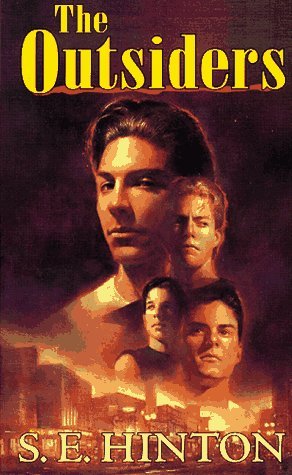
My middle-school students were always shocked to learn that cult fav, The Outsiders, narrated by a 16 year old boy, was penned by a teen-aged girl.
Beloved children’s author, Judy Blume, now age 83, attributed the success of her children’s books to her ability to access her inner child. “I’m still like an 11 or 12 year old inside,” she told an interviewer.
How about writing in an age you have yet to be ?
Marilynne Robinson’s, Pulitzer-Prize winningGileadis a diary from a 76 year old preacher to his young son.
I’ve written stories from the perspective of a confused middle-aged man, a 25 year old exotic dancer, and a 9 year old fire starter. My current project features an almost 12 year old roller coaster enthusiast. To capture her essence, I read childhood diaries, studied old photos, and visualized my 6th grade self.
But it’s the spirit of a 15 year old girl that comes most naturally. Perhaps because 15 was a pivotal year in my life. I also work with teenagers, so I get to know them up close.
My recently published short story, “My Father’sMessiah”, is about a 15 year old orthodox Jewish girl who worries her widowed father may be losing his mind.
I am honored to be awarded the First Prize in the Katherine Paterson Award for Young Adult Literature. Thank you to Hunger MountainJournal and Vermont College of the Fine Arts.
It begins like this:
Every school morning, my father wakes me the same way: he yanks open my blinds, slaps his hands together, and says, “Boker tov, beautiful daughter. Time to rise and serve your Creator.”
Once upon a time, I didn’t need wake-up calls. I bounced out of bed as if each day delivered a surprise package. When I was five, I might have found my father’s routine cute, but now my fifteen-year-old brain barely registers Abba’s words. Instead, I hold onto my last dream before it morphs to reality.
“And who knows?” my father booms. “Today might be the day the Messiah comes!”












 EVELYN KRIEGER