The Seasons of our Creativity

Does the change of season affect your creativity?  

A friend of mine recently lamented about her creative slump. “All summer I was headstrong into my novel first thing in the morning. But come September, my energy tanked.”

There are studies to support that seasonal changes influence our creative minds and hearts. One suggests that the warmth of summer may make people more relationally creative and experimental.

The winter, on the other hand, may inspire more introspection and abstract thinking. 

Artists are sensitive to the rhythms and cycles of nature. We pick up on sensory cues of the season—sounds, textures, smells, light. Notice how much of seasonal change involves light—its intensity, color, slant, and warmth?

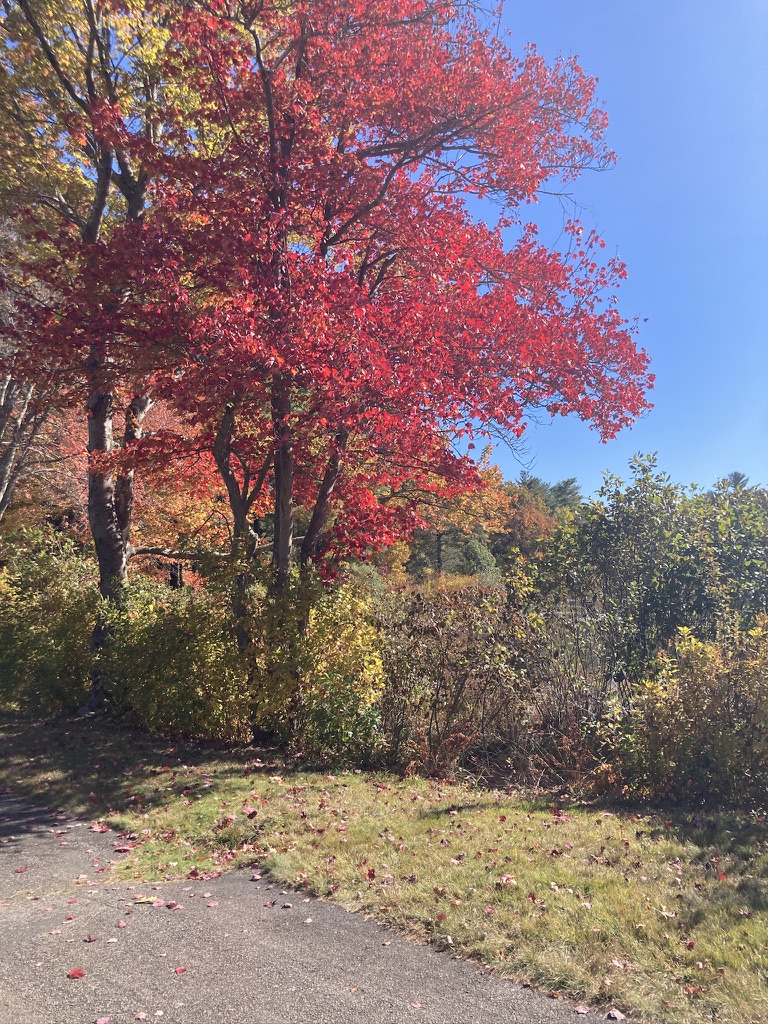
Autumn carries more gold in its pocket than all the other seasons.  ~Jim Bishop
It is not only the change in light and weather that impacts us, but the associations we carry with each season. Maybe you feel blue during the December holidays, while others are nostalgic or joyful.

Certain months of the year can stir bad memories or sadness around a particular loss. That’s November for me.

As a writer, I find I’m most creative in the summer time when I’m more relaxed. But because I want to be out doing summer-like things, I’m less productive.

In winter, I’m a hibernator, so this leads to more productivity as I spend more time inside at my desk.

Fall invites reflection and new beginnings with the start of school and the Jewish New Year.  

Like the seasons, our creativity ebbs and flows.

The ways in which this change impacts your mind, body, and heart will be unique to you.

As someone who is very sensitive to the seasonal changes, I have developed strategies to align my creative work with these fluctuations.  For example, since I suffer from *Seasonal Affective Disorder, Winter is the time I seek opportunities to commune with other creatives in a warmer climate.  I’ve been fortunate to attend writing workshops in Key West and St. Petersburg, Florida. 

We all have seasons in our life: new jobs, becoming parents, empty-nesting. Seasons of sickness. Seasons of relentless caregiving. Losing a parent. These times affect our productivity and our motivation.

Sometimes we have to surrender to the season and lower the bar for ourselves.

Consider the writer/editor Kendra Levin‘s sage advice:


In the life of any given writing project, we will go through seasons: Periods of germination, creativity, reaping…and lying fallow. We cycle through these phases of letting an idea bubble beneath the surface, drafting it onto the page, molding that first effort….and taking a break from it, to get the clarity and perspective that sometimes only distance can provide.  ~The Hero Is You


Our creative output does not take a linear path. And that’s okay.

Recognizing your own response to seasonal changes, can help you work more efficiently in any of your pursuits. Planning around your ebbs and flows can help build creative resilience.

The Spanish-American philosopher and poet George Santayana (1863-1952) wrote:


“To be interested in the changing seasons is a happier state of mind than to be hopelessly in love with spring.”

Santayana invites us to view change with curiosity. To let go of our infatuations.

Buddhism echoes this through the concept of impermanence. We cling to the past, to youth, to a lost lover, to a happier time. Such attachments lead to suffering. By releasing our hold on transient times, and accepting inevitable change, we become more appreciative of the present.

We can then embrace the beauty, gifts, and lessons of each season.
Is there a time of year when you feel more driven to embark on creative projects?

*Check out my tips for Beating Winter Blues

Finding Time To Write: Reflections On My First Writing Residency

How to make time for writing in your busy other life. Writing residencies at Vermont Studio Center.

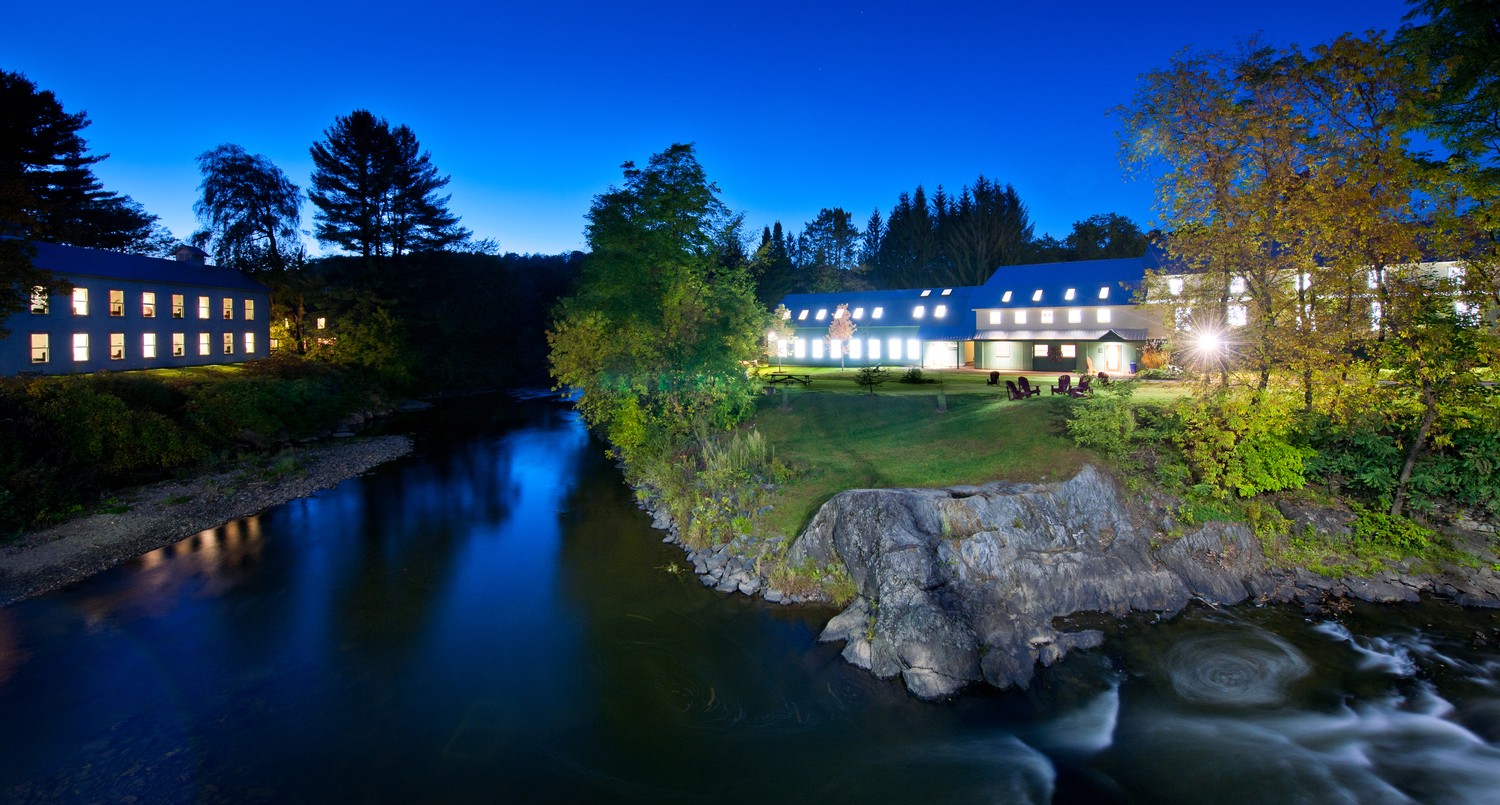
I just spent the last month in a writer’s heaven. Nov. 2018

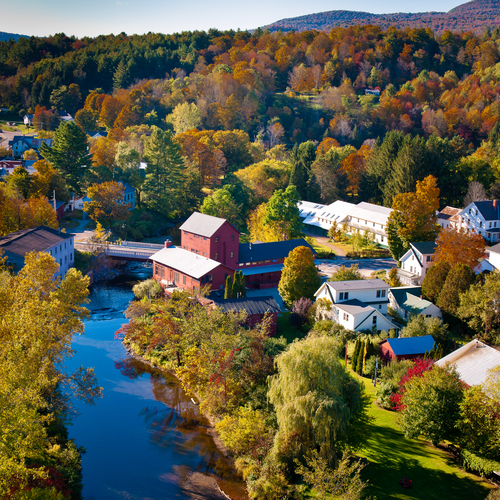
VSCmill_square_autumn

The Vermont Studio Center is the largest artist residency in the United States. Each month, 50 selected writers and visual artists from across the country and globe are offered unrestricted time for creative work.

I got to be one of them!

VSC provides private studios, room and board, conferencing with Visiting Artists, readings, craft talks, and presentation nights—all on its beautiful historic campus.

The first week, I was pinching myself.

IMG_E7727
Maverick Writing Studios

Amazing things happen when you get the chance to step out of your everyday life and write in a calm environment designed to limit distractions and obligations.

I learned a lot about myself as a writer.

I tested my mental stamina. I had time to just sit with the mess of words and ideas and try to shape it into something coherent and interesting. I learned how long it can take to write one decent paragraph, only to delete it the next day.  I had the time and space to immerse myself in a fictional world. 

Sometimes it was magical.

Other times, anxiety-provoking…What if it’s no good? Am I wasting my time?

IMG_E7720
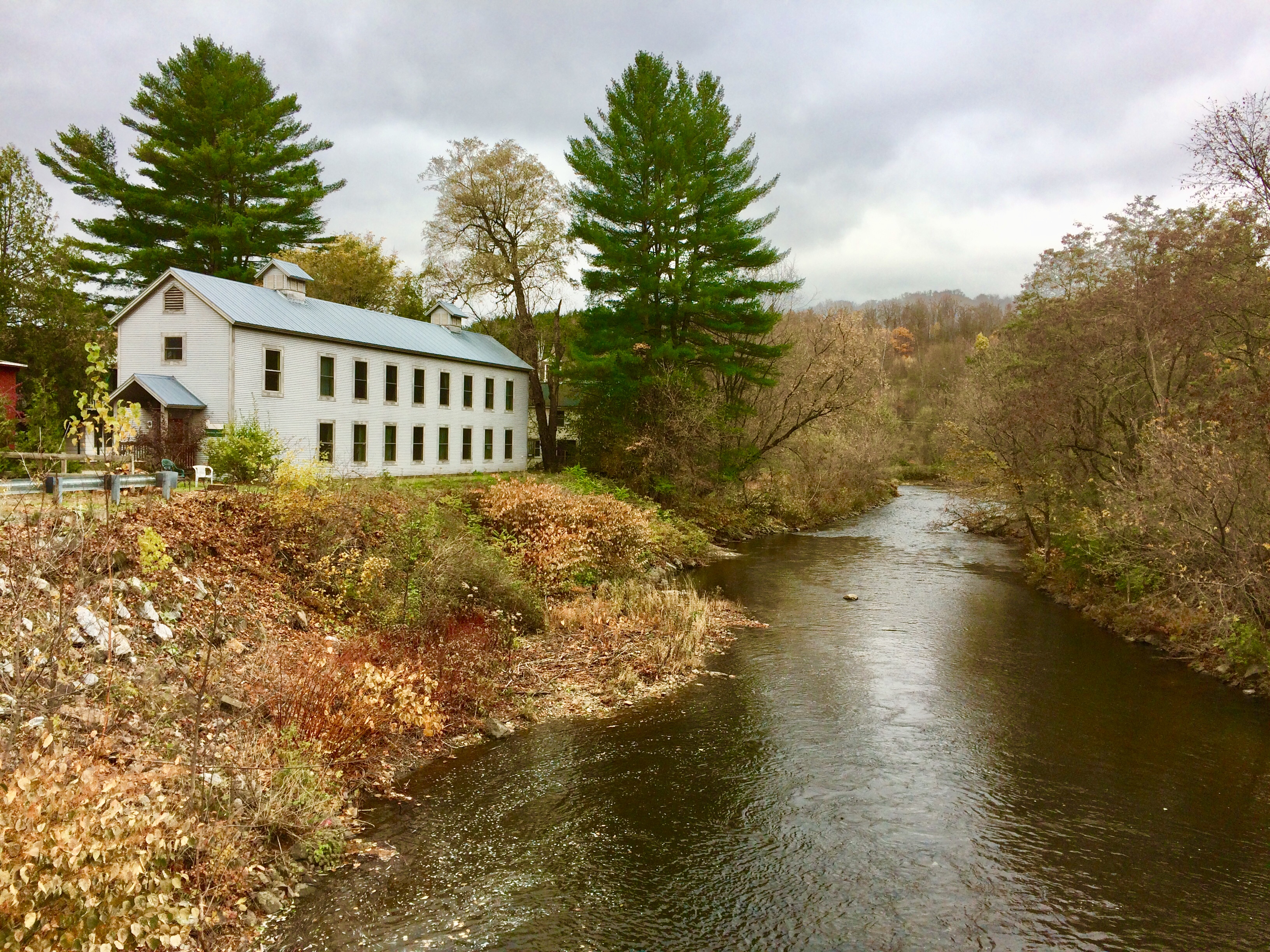
My studio overlooking the river.

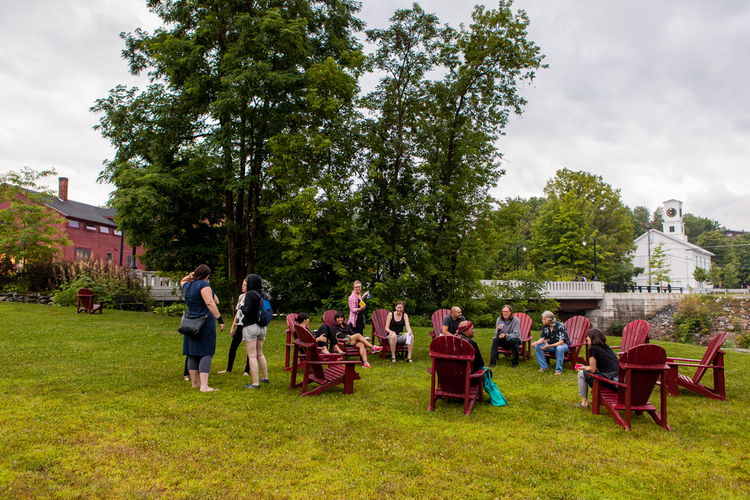
I met with Visiting Writing, Noy Holland, to discuss my short story in the revision stage. I got to spend time with other kindred spirits talking about the artistic process,  rejection, failure, inspiration, and epiphanies.  We shared stories, laughter, and tears.

mason_green_group

NIcholas

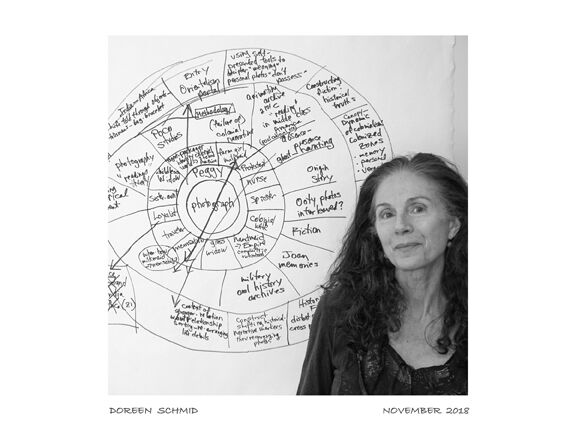
Doreen_VSC
Resident Photos by Howard H. Romera

VSC6
Reading a new essay, “The Geometry of Grief”, at Presentation Night.

Create

Finding time to pursue your passion amidst the demands of your present life is likely your number one challenge…or complaint.

But sometimes it serves as an excuse.

Saying, “My dream is to write a novel, but I simply don’t have the time right now,” is likely untrue, although it may feel that way.

As E.B. White once said:   “A writer who waits for ideal conditions under which to work will die without putting a word on paper.”

While there are definitely periods in our lives when we feel especially stretched, finding time to write is possible if you make it so.

I’ve been writing and publishing since my late teens. That means I’ve written through college, graduate school, teaching career, raising 3 kids, homeschooling, and helping elderly parents.Developing Reading and Writing Through Author Awareness: Grades 4-8

There were times I was insanely busy, stressed out, or depressed. There were dry spells—sometimes long ones.  There were also stretches of times conducive to creativity that resulted in publishable work.

Still…I wish I had accomplished more. (That’s Miss Perfectionist talking, so you can just ignore her.)

We all have the same 24 hours in a day.

“How we spend our days is, of course, how we spend our lives. What we do with this hour, and that one, is what we are doing. A schedule defends from chaos and whim. It is a net for catching days.”  ~Annie Dillard, The Writing Life

Here are my tips for carving out time for writing:

Be a Time Sleuth

The first step to making time for writing is to scrutinize your daily/weekly schedule. 

Can you wake up earlier before work or getting the kids off to school?

If early morning doesn’t don’t work for you, try writing in the evenings or late night hours.

If you commute by public transportation, consider that time. Keep a notebook with you for ideas and brainstorming.

Can you make time on the weekends?

Look for time suckers you can give up (or cut back on): The biggest one is the Internet Blackhole. Scrolling Facebook, Instagram, and Twitter. Endless newsfeeds. YouTube pet videos. Binge watching TV. Really.

Hulu_logo
Resit

Schedule your writing.

This next step is key. Once you find the times when you can write, mark it on your calendar.  That’s right: you’re making an appointment with your muse. Begin with 15-minute blocks. That’s not long enough, you say? Believe me, the minutes add up. Consistency, more than quantity, matters at this stage.

writing calendar

Think of writing like exercise. You need to show up at the gym or class—whether you feel like it or not— in order to make progress. You can’t show up once a month and build muscle.  Consistency leads to making a habit. The writing habit will help you achieve your goals. Show up, or as Stephen King said, “Butt in the chair.”

Designate a Writing Place

The great thing about writing is that it’s portable. I write in my home office, on the family room couch, in libraries and coffee shops. I’ve written in airports and on long bus rides. The place depends on my mood, what I’m writing, time of day, and schedule. Having a designated place to write, however, can help you build the habit. By associating a specific place for writing, your train your brain to switch into writing mode. Doesn’t matter if your place is a closet, office, or shed. Claim your space. Make it look and feel nice.

                               Sunny corner table of library = novel writing.

Library_Writing_Spot

…Virginia Woolf had her room. Proust his shuttered windows. Marguerite Duras her muted house. Dylan Thomas his modest shed. All seeking an emptiness to imbue with words. The words that will penetrate virgin territory, crack unclaimed combinations, articulate the infinite. ~Patti Smith, Devotion

Set Goals & Deadlines

The process of trying to produce a piece of writing can be—no, make that will be—frustrating and discouraging.  To stay on track you need to:

Define goals

Making a plan

Tracking progress

Set deadlines

Reward yourself

Again, the exercise analogy.  If you just say, “I’m going to get in great shape”, you’ll likely to give up before you run the first race. You must make a plan with incremental milestones along the way. 

Same idea for writing a novel. You start with the end goal in mind, then work backward. Name the date you want to finish by (I know, that’s really scary). Then break down the big goal into several small steps. Approximate when you’ll reach each step. Anticipate obstacles. Reward yourself when you arrive. Yes, you’ll likely have to adjust the steps and deadlines. The important thing is having a roadmap. (Thank you Kendra Levin for this advice.)

“Each time we come to the end of a piece of work, we have failed as we have leapt — spectacularly, brazenly — into the unknown.” ~ Danie Shapiro, Still Writing

Plan a Writing Retreat

Once you’ve made time to write, limiting distraction is the key to producing. A writing retreat can be a great way to jumpstart, revive, or finish a project.  Some writers occasionally cloister themselves in a hotel room for a few days to binge write. I know two women who designed their own retreat by renting a cabin in New Hampshire. Poets & Writers Magazine has several classifieds ads for rentals in beautiful settings that cater to writers.

If you think you’re the right point in your life or career to pursue a writing residency, here’s a has a comprehensive listing.

How do you make time for writing or other creative pursuits?

Vermont_Studio_Center.jpeg
Nighttime at VSC