Blog

Your Brain on Grief

Getty Images

Why does grief hurt so much? 

Mary-Frances O’Connor’s new book, The Grieving Brain: The Surprising Science of How We Learn from Love and Loss attempts to answer this question and more through neuroscience and personal stories of bereavement. 
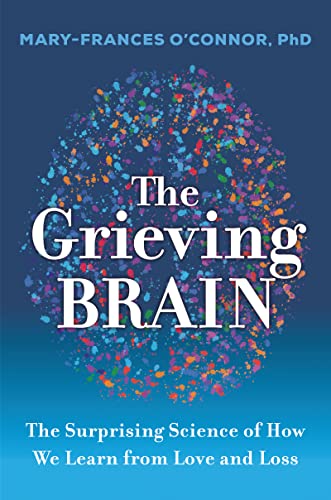
Dr. O’Connor, a clinical psychologist, directs the Grief, Loss, and Social Stress Lab at the University of Arizona. She studies the effects of grief on the brain and body. Her findings show how the brain’s hormones and neurochemicals produce this aching and seemingly unbearable sensation we know as grief.

Perhaps you’ve had the experience of disbelief after a loved one died.

Maybe you even continued to look for him or her, even though you witnessed the funeral. O’Connor explains this phenomenon. 

The brain struggles to understand what happened when our loved one dies. The dimensions that we once knew them in—space and time—disappear. 

Yet we remain attached.

AgeFotoStock

Our brain hasn’t yet caught up with this disparity and still expects our loved one to return.

The brain has to unlearn the predicted associations of place and time. The passage of time is needed to update the mind maps we used to locate our loved one.
Alicia_Garcia: Getty Images/iStockphoto

O’Connor’s grief studies include loss of important friendships and romantic breakups. These losses also produce a sense of disbelief and yearning.

Absence of a special person, O’Connor says, sets off emotional alarm bells. Our invisible attachment bonds are stretched beyond what we think we can handle.

This alarm is compounded if the absence occurs abruptly, a.k.a “ghosting”. Since our brain believes and knows the absent person is still “out there”, it searches for explanations and seeks to “fix” whatever led to the departure.

Just as after a death, our brain must learn to imagine a future apart from this absent love. 

I found the The Grieving Brain a fascinating read. O’Connor sheds light on the universal experience of grieving, helping us to feel less alone, less crazy, and better equipped to move forward.

***

She concludes with this comforting thought:

“The physical makeup of our brain–the structure of our neurons–has been changed by them. …and these neural connections survive in physical form even after a loved one’s death…Once we have known love, we can bring it into our awareness, we can feel it emerge and emanate from us…Because of our bonded experience, that loved one and that loving are a part of us now, to call up and act on as we see fit in the present and the future.”

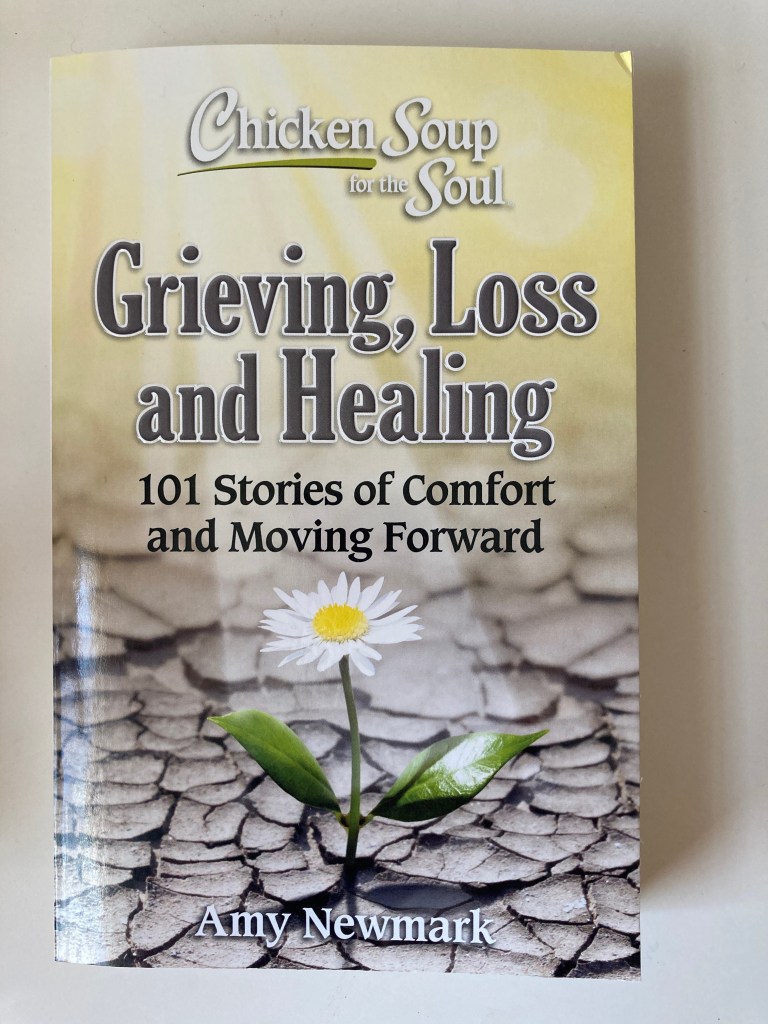
Update: My adapted essay, “Losing My Words”, has been included in the newly published Chicken Soup for the Soul: Grieving, Loss, and Healing. 101 Stories of Comfort and Moving Forward.
Writing in Key West: A Seminar Named Desire

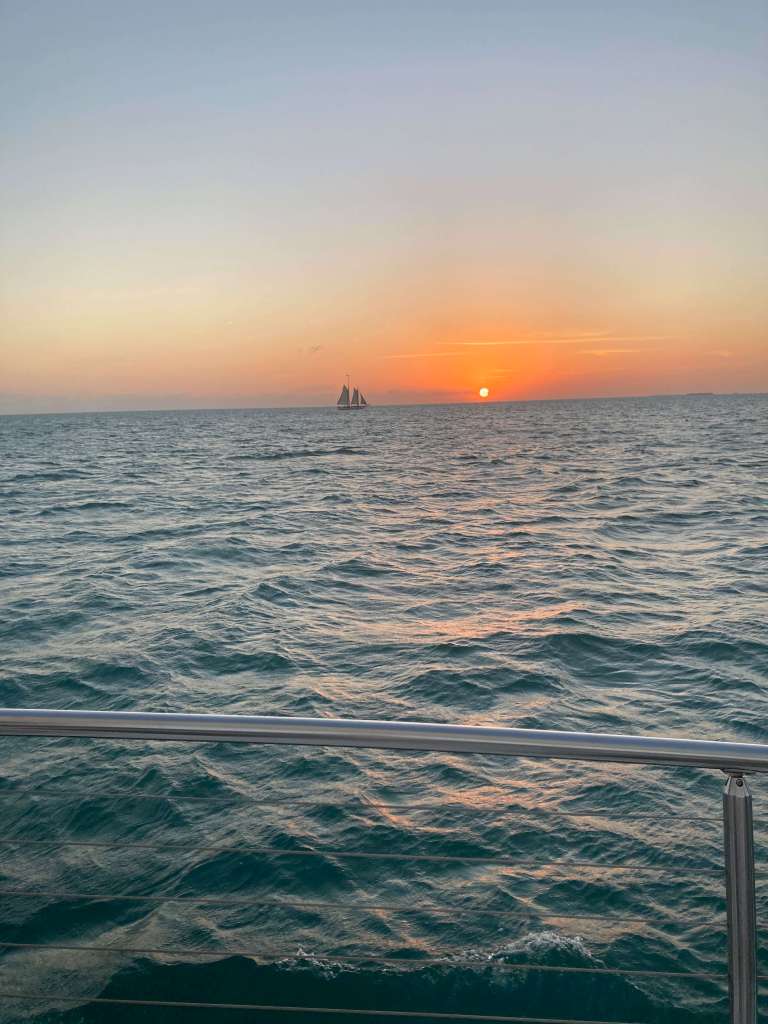
Sun, sea, sand.

Three words that bring me joy in January.

Add to this trio communing with kindred spirits and the joyful picture is complete.

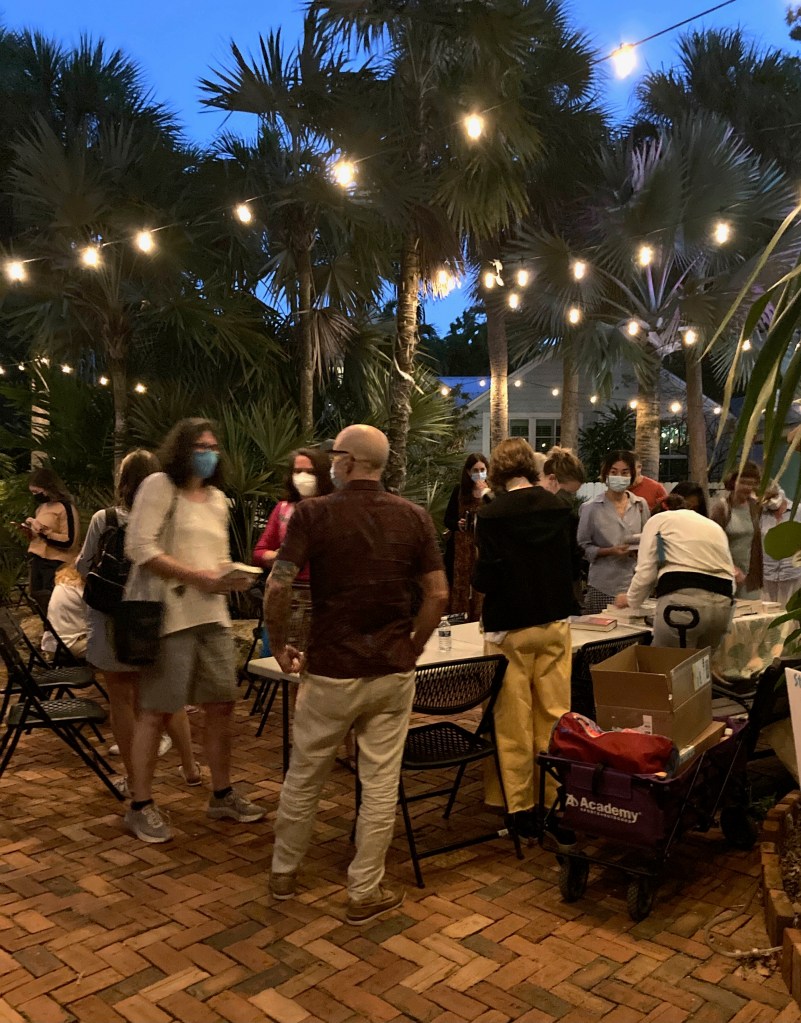
I recently spent a week in Florida at the Key West Literary Seminar exploring the craft of creative nonfiction under the guide of esteemed author David Treuer. 

This year’s Seminar theme was Desire.

For three hours each morning I, along with 10 other writers, grappled with how to tell true stories in engaging and meaningful ways. We considered subject, form, voice, detail, conflict, momentum, and dramatic arc.

We read and critiqued each other’s works-in-progress and learned strategies for creating compelling nonfiction. We discussed the writing life and shared our life stories. 

Doing this among strangers takes courage, but it wasn’t long until we bonded over our shared passion.

Being in the physical presence of fellow writers for the first time in over two years, was at times overwhelming. In a good way. Sometimes you don’t realize what you are missing until it arrives. 

Workshop friends
Workshop leader and author, David Treuer
Writers on Writing talk and book signing.

Many literary luminaries wrote in Key West including Ernest Hemingway, Elizabeth Bishop, Shel Silverstein, Robert Frost, Tennessee Williams, Wallace Stevens, Anne Beattie, and Judy Blume.

Writers continue to draw inspiration from this unique place. If you visit, make sure to take the Literary Walking Tour. 

View from Hemingway House
Old Man and the Sea Exhibit
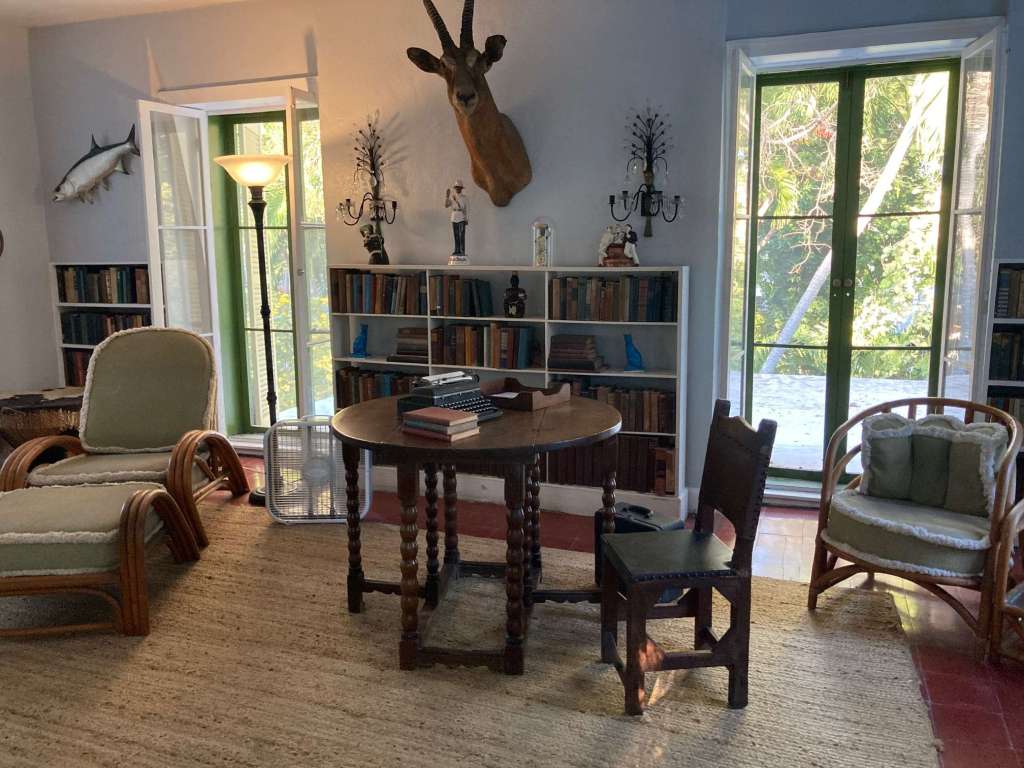
Hemingway’s writing studio
One of the 56 Hemingway cat descendants. This one six-toed.

The arts abound in the Key West. The island is only 5 square miles, easily walkable and bike rentals readily available. The place is full of color and character. I found the locals quite friendly.

The stars truly aligned for all this to happen amidst the Omicron threat. I am grateful to the Seminar committee for granting me a fellowship, along with the lovely accommodations at Eden House.

This break in routine, change of scenery, socializing, and inspiration all served to jump-start my creativity and motivation. 

I gained the direction and focus needed to complete the essay I’d struggled with for many months.  “The Bridge That Fell Down” is now ready to send out into the world. 

I hope you, too, can find ways to experience this much-needed rejuvenation, big or small, in anyway possible. 

Winter Solstice Reflection: Where were you 2 years ago?

The pandemic has forced us to make peace with uncertainty.

December 13, 2019. 

I’d just returned from a fabulous NYC trip. My daughter and I shopped Fifth Avenue, dined out, enjoyed the holiday displays, visited Rockefeller Center, and happily sat in a crowded Broadway theatre.

We had no idea what was in store for the 2020 New Year. Couldn’t even imagine it. 

No idea that some faraway virus would upend our lives. 

No inkling that her 2020 NYU graduation would be cancelled. 

Never fathomed that the Broadway we’d always enjoyed would shut down in two months. 

And so it goes.

Here we are December 19th, 2021, still exhausted from risk calculations. The Omicron news brings flashbacks to 2020. We may be in a different, even better place, yet for many of us, our bodies remember the trauma and react as if it’s happening all over again. 

The pandemic years have forced us to make peace with uncertainty. As a result, I’m less inclined to put things off, and more inclined to grab an opportunity when it arises. 

So, recently, my daughter and I grabbed tickets to a holiday musical showing in Boston. We were all dressed up and ready to go when we learned that the show was cancelled.

Yet a strange thing happened.

Instead of utter disappointment, we were more relieved to find this out before driving all the way into Boston at night! Thankfully, the venue offered us the chance to rebook. So we grabbed that, too.

A few days later, we sat in the Wang Theatre among the other vaccinated or negative-testing patrons, all masked. Exactly 2 years from the date of our Broadway show. 

I even wore the same dress to commemorate the milestone.

And while it certainly felt different, it still felt wonderful.

***

The shortest, and darkest, day of the Northern Hemisphere approaches. And yet, the winter solstice also means the days are getting slightly longer, though it will take a while to notice.

Tonight there’s the full Cold Moon to marvel. 

And the annual Ursids meteor shower to catch.

This year, though, the bright moon will make it harder to see those spectacular shooting stars.  

Be patient. 

Keep watching.

Don’t miss the show. ~

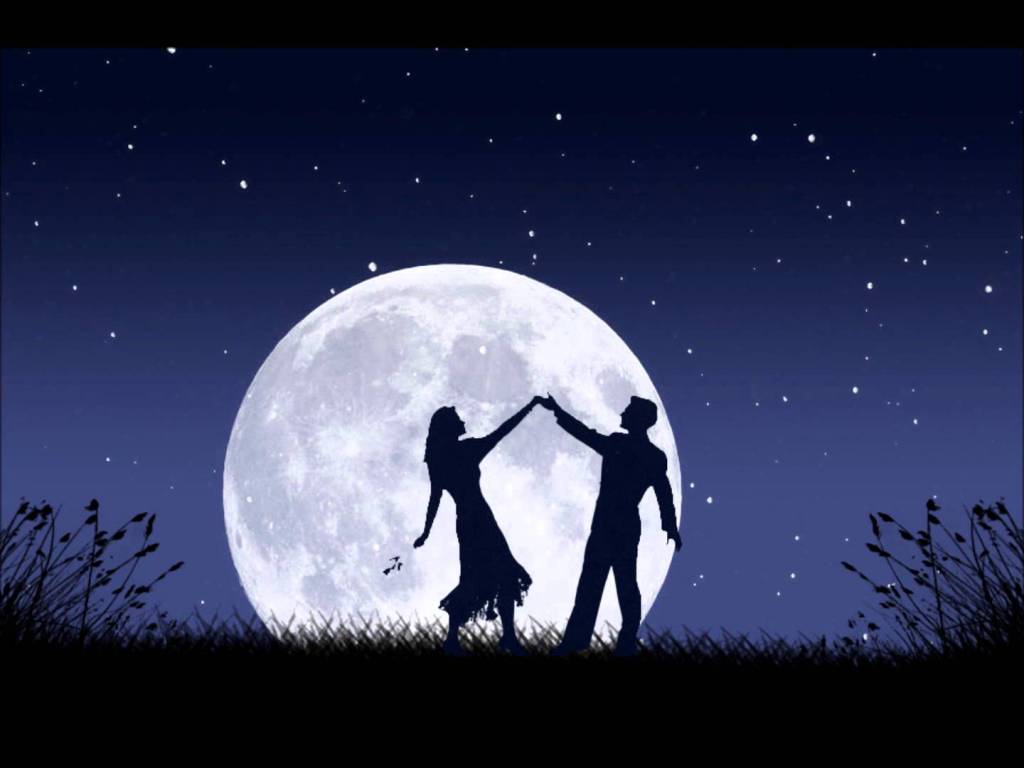
December 19, 2019. Moon Dance Begins Again.

What Makes A Gift Special?

What makes a special gift?

What’s the most special gift you’ve ever received?

This holiday season 2021, I’ve started asking people this question. Birthdays, Mother’s Day, and Christmas topped the list.

As I listened to their gift stories, I noticed a common thread as to what makes a special present.

l.  There is an element of surprise or the unexpected.

2.  The gift showed thoughtfulness or effort.

3.  The gift said: “I know what you like. I get you!

What did not matter was the expense of the gift, even if the gift did cost a lot.

Handmade or experiential gifts were frequently mentioned. A love poem. A trip to the Grand Canyon.

Childhood gifts were often a long-coveted item. A chemistry set. A locket. A Cabbage Patch Doll.

Here’s the story of my favorite childhood gift. 

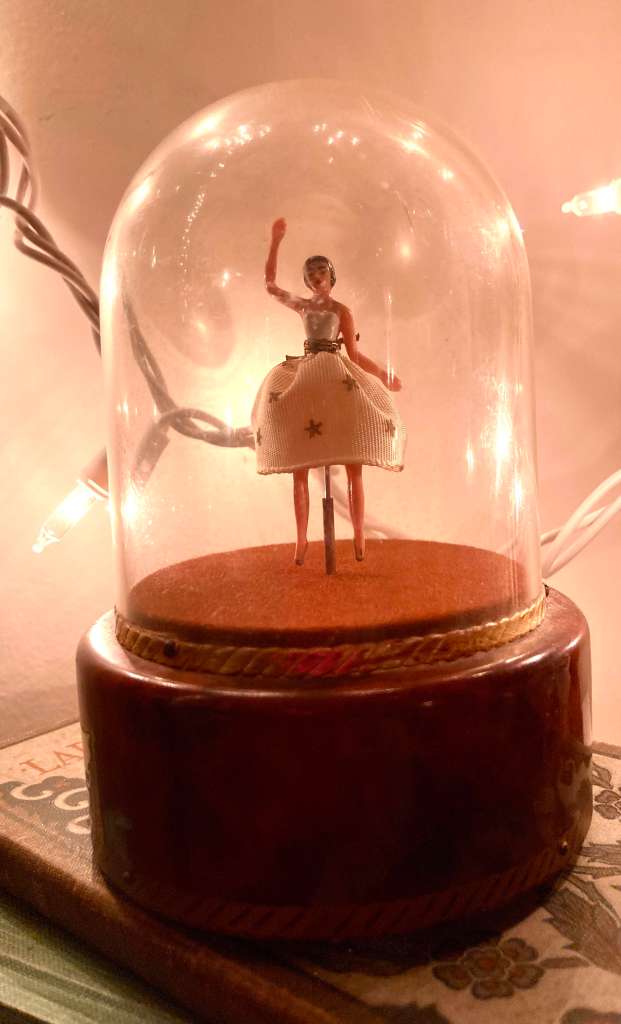
Growing up, my brothers and I received a small present or gelt (coins) on each night of Chanukah. My parents saved the best for last. The year I was eight, I unwrapped my 8th night gift to find a great surprise. A ballerina music box. A tiny dancer inside a glass dome with a white and gold skirt. She spun around to a waltz from the Broadway show, Carousel, the same song I had danced to in my first ballet recital.

This alone would have delighted me. What made the gift most special, though, is the back story.

A few months prior, while on a family trip, I spotted this Swiss-made music box in a fancy gift shop. I begged my mother to buy it.

“It’s lovely,” she said, “but much too expensive. I’m sorry, sweetheart.” 

I remember the feeling of longing and sadness. So unfair! I believed this one-of-a-kind music box was meant to be mine. Now it would go to some other girl who loved ballet.

Weeks passed and the pretty music box was soon forgotten.

That is, until it magically appeared in my hands the last night of Chanukah. 

Surprise. Thoughtfulness. Effort. I get you! 

This cherished gift had all these elements. It’s no wonder that I’ve continued to love music boxes all these years.

When they were young, my children liked to hear this story every Chanukah (with Mom’s dramatic effects, of course.)

I shared the music box with each daughter when she began ballet lessons.

I’ve tried to emulate this gift-giving style for my children. In turn, I’ve seen them do the same with family and friends. They enjoy hunting for that perfect gift that says, “I get you”.

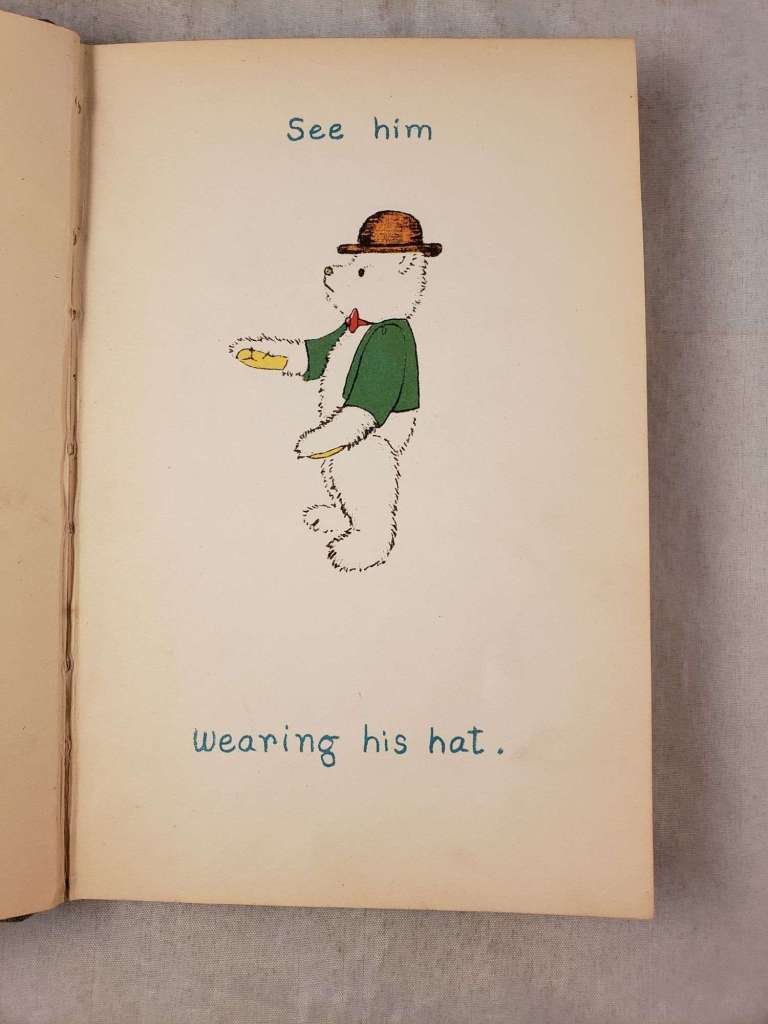
One Chanukah, my then thirteen year-old daughter surprised me with a copy of a rare, out-of-print book I had so loved as little girl.

And this Chanukah, my son surprised his younger sister with an inscribed Harry Potter music box.

I get you!

What was your favorite gift?

Sending you readers the gift of words.

Happy Holidays!

Could You Save A Life?

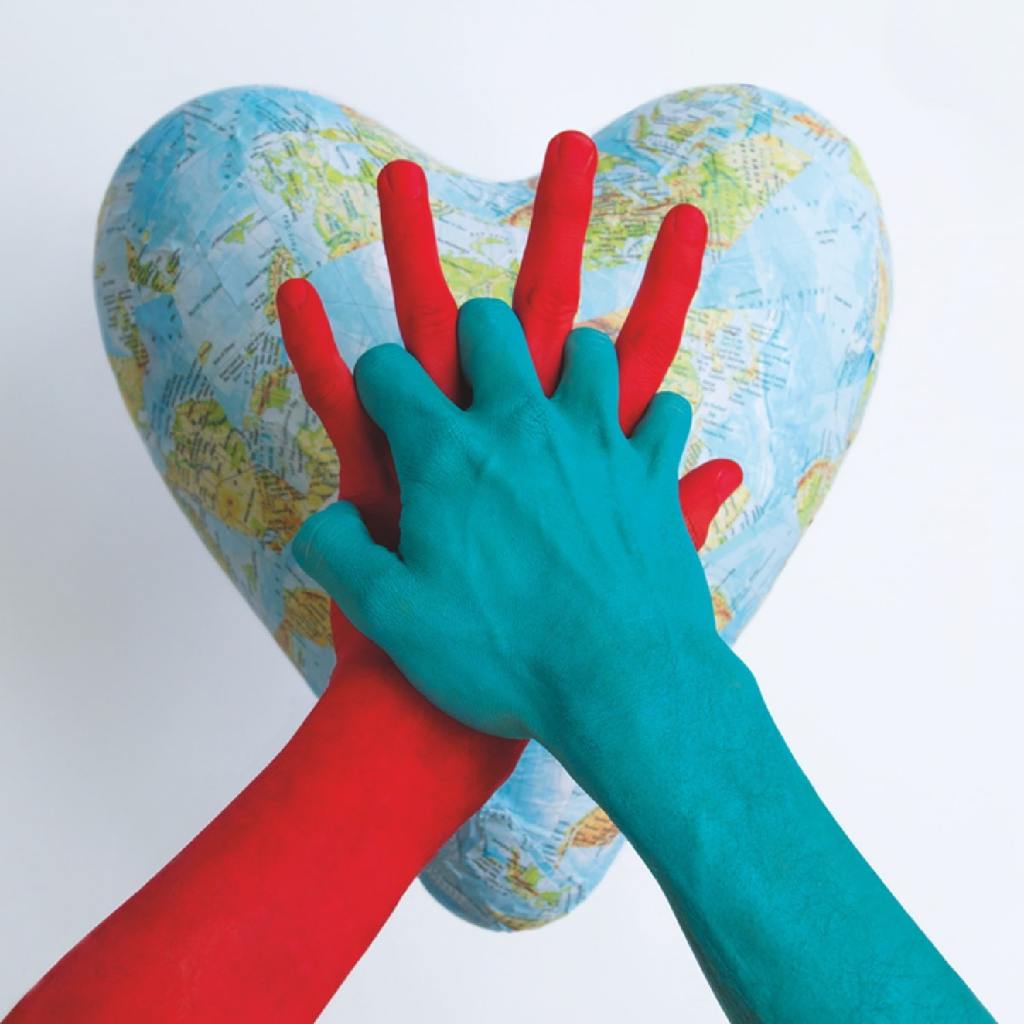
Do you know CPR? Could you save a life?

It can happen in a split second.

You’re going about your ordinary day only to be thrust into extraordinary circumstances.

Life and death.

A child. Blue lips. Screaming parents. Sounds you’ve never heard and hope never to hear again.

Your body reacts before your mind. Your hands take over compressing the little girl’s chest. Breathe your essence into her. One, two, three…

You’re pretty sure she’s gone, yet you stay calm amidst the chaos circling the room.

You believe in miracles.

After what feels an interminable wait, the paramedics arrive. You step aside as they take over, whisk the child away. 

The hysteria unfolds outside the house where the October sky is too beautiful for tragedy.

October 202

You recognize the shock in the mother’s face. You know what is happening to her brain and body because you have been there before. So you stay, try to steady her, speak gently, hold her, run through the house to find her shoes, help her go with the ambulance.

You answer the police officer’s questions. You notice his moist eyes. Now you are shaking. He takes you home, thanks you for being there, tells you to take good care of yourself.

But it is not you who needs care. You will be okay.

The child’s parents will remain in the After–a place you have lived in–never ever the same. 

This is what haunts you.

Their little girl doesn’t come home.

***

You reflect, of course. Try to make meaning of what happened before breakfast on a bright ordinary morning. Why you, of all people, were there at that right/wrong moment. You with the anxious brain prone to panic.

Later you will learn that there was nothing the parents, or you, could have done at that point to save the child. There were underlying circumstances. No one was at fault.

Of course there are no guarantees. Minutes matter. Often it is too late.

Still, you take comfort knowing you tried. And that those left to carry on are also comforted by this knowledge. You were with them in their worst moment. 

You think about a few close calls you had when your own children were little, how you did the right thing. But that was a while ago. So you take time to review other life-saving skills. Encourage others to do the same.

Because you never know when you’ll be called upon to help a stranger. Or a neighbor. And if that doesn’t motivate you to learn first-aid skills, then think of your children, grandchildren, or spouse. 

Could you perform CPR?

Could you save someone from choking?

Do you know the signs of a stroke?

Do you know how to use a home fire extinguisher?

It can happen in a split second.

I know. I’ve been there. ~