Blog

Missing Your Dad on Father’s Day

What Father’s Day means when your father isn’t alive.

Father's Day Card


In May 2016 I was shopping in Target when I saw a display of Father’s Day cards. I’d always sent a special card to my Dad and decided I’d pick one out right then. While surveying the multitude of choices, a force of reckoning hit my chest.

I don’t need to buy him a card this year.

My father was dead. For six whole months.

How could I have forgotten? 

I blinked back a surprise of tears. In that small space of forgetting, my father had come alive again.

“Come back. Even as a shadow, even as a dream.”Euripides

Maybe you’ve had such an experience, too. You pick up the phone thinking you’re going to call your Dad (or your mother, aunt, brother, friend) only to remember…  

Or maybe you’ve had a vivid dream of being with your dad–a dream so real that when you awoke it took a moment to believe it hadn’t actually happened.

A period of disbelief  often follows the loss of a loved one. This feeling can be more more pronounced when the death comes suddenly and inexplicably, as was the case with my dad.  Not seeing him buried, or having stood at his grave site, added to the feeling of unreality. And because we lived in different cities, it was easier to believe he was still in Florida enjoying the sunshine. 

From Homer to Shakespeare, mythology and literature are replete with stories of characters grappling to accept death’s permanence.  Sigmund Freud wrote that an essential component of the complex “grief work” is coming to terms with the fact that our loved one is physically and permanently gone.

“Mourning has a quiet precise physical task to perform: its function is to detach the survivor’s memories and hopes from the dead.”

Sounds like a good plan.

Yet when Freud lost his dear daughter Sophie to influenza, and then later, Sophie’s beloved only surviving son, Dr. Freud remained inconsolable and unable to follow his own prescription for mourning.

In Joan Didion’s exquisite grief memoir, My Year of Magical Thinking, she potently describes the disbelief that grips us after losing a loved one.  Joan’s husband of 40 years dropped dead of a massive heart attack as the couple sat down to dinner one evening.  

It was in fact the ordinary nature of everything preceding the event that prevented me from truly believing it had happened, absorbing it, incorporating it, getting past it.”

Didion is taken aback by the irrational belief that her husband will return. She can’t bring herself to give away the clothes he may be needing.

“Bringing him back” had been through those months my hidden focus, a magic trick.”

We attempt to keep our loved ones alive by holding onto momentos—a watch, tie, jacket, hairbrush, written letters—as if we are able to contain their physical presence within the object. 

We’re afraid of forgetting them—and of letting go.

He was my North, my South, my East, and my West my working week and my Sunday rest.  ~ W.H. Auden, “Funeral Blues”

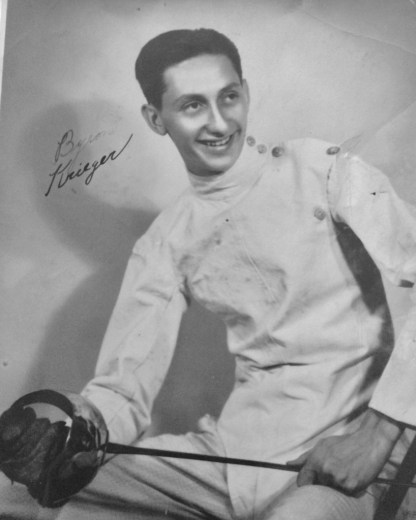
On my desk, I keep favorite photos of Dad, a few of his fencing medals, a handwritten letter, and his Olympic baseball cap.

Dad&Me_80th bday
Me and Dad, July 1990

As Joan writes: “I know why we try to keep the dead alive: we try to keep them alive in order to keep them with us. I also know that if we are to live ourselves there comes a point at which we must relinquish the dead, let them go, keep them dead. ”

I’m lucky to have had may father for many years and many chances to share my love and appreciation. My heart breaks for those who have lost their father at a young age.  Growing up without a father can have longterm psychological effects. Children are particularly vulnerable to the belief that their father will “return”.   The experience leaves a gaping  hole of missed moments and opportunity.  The surviving adult-child’s life is shadowed with “what might have been” . 

My friend/mentor Nechama Laber lost her father at age ten. She didn’t know he had been ill and never got to said goodbye. It wasn’t until Nechama was a grown woman that she came to realize the full impact of his absence on her emotional well-being.

Nechama has since devoted herself to continuing her father Rabbi Azriel Wasserman’s legacy of Jewish learning. This summer she will publish a book celebrating his life and teachings: Finding the Song in Sorrow – My journey from Loss to legacy to Light!

Blogger Leslie Spencer (lifewithoutmydad.com) also lost her father at age ten.  Her 2017 post about being a fatherless daughter on Father’s Day is particularly poignant. She offers her approach to facing this time of year.

By age 25, author Claire Bidwell Smith, had lost both her parents to cancer. For the past 10 plus, Claire has supported others through grief workshops, retreats, podcasts, online programs, and individual counseling. 

If you are missing your Dad this Father’s Day, try to do something that honors his memory: donate to charity, write him a letter, cook his favorite dish, make a photo album, or share a story about him.

And if you never knew your dad, or are estranged, then honor another special dad you care about. 

After getting through the first Father’s Day without my dad, I do not feel anywhere near the pain I feel on his death anniversary.  That day triggers traumatic memories. 

And yet…

My dad died on my son’s birthday—one of the happiest days of my life.

I hope I get to see my son become a dad.

I look forward to sending him a Father’s Day card.

2%rsVIGkQC21diz5VPjDQg_thumb_3474
Byron Krieger as a collegiate fencer.
ZAPbMeY8S6qXU9mzvpv7Pw_thumb_1fd2
Grandson Sam as a collegiate fencer

“Music saved me.” Interview with chamber musician, Julie Scolnik.

I’m excited to bring you the first in a series of interviews with creative artists of all stages and disciplines.  

Julie-sidebar-e1391291634518

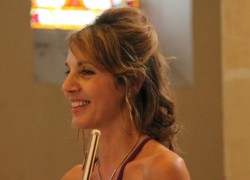
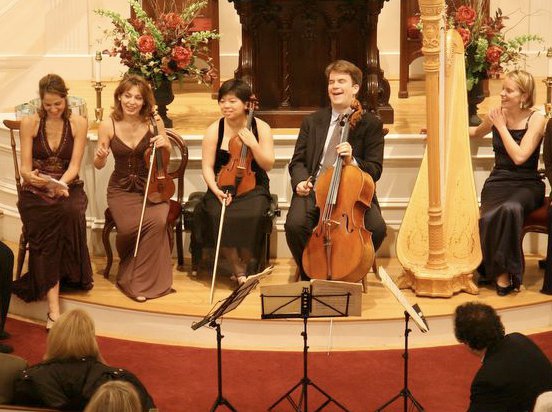
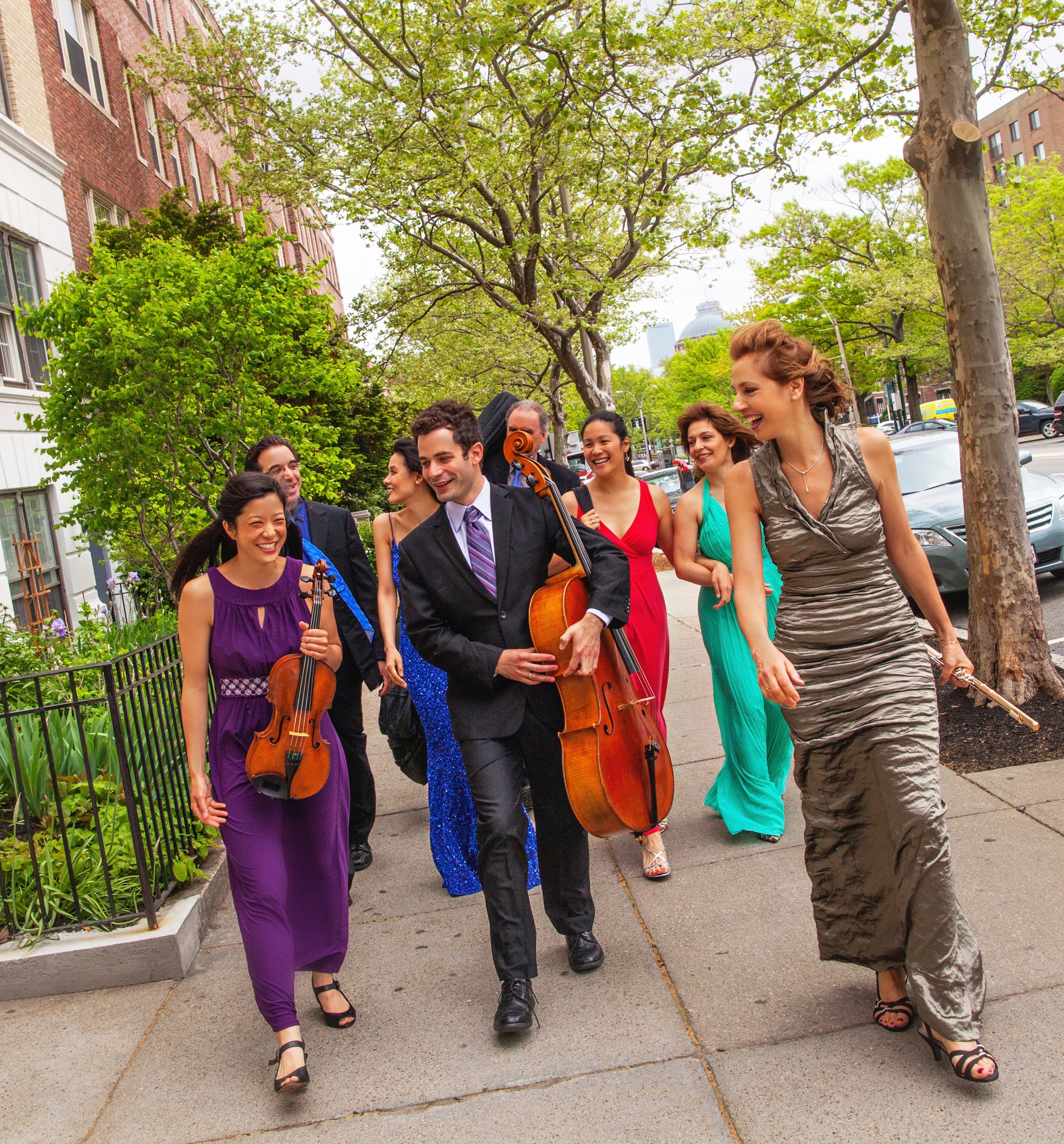
Julie Scolnik, of Brookline, MA,  is the artistic director of Mistral, (formerly Andover Chamber Music), a series she founded with her husband, physicist Michael Brower, in 1997.  Julie has enjoyed a diverse musical career as a soloist, chamber musician, and orchestral flutist throughout the U.S. and in France. In earlier years, Julie performed as principal flute with Boston’s leading orchestras. She has released two solo CDs, the latest, entitled ‘Salut d’Amour & Other Songs of Love,’ with her daughter, pianist Sophie Scolnik-Brower. 

How you discover your passion for music and talent for the flute?

 Of all the memories from my childhood, the most immediate ones that tie my sisters and me most profoundly, are the memories of music filling our house always- of the records that my mom worked so hard to find for us. They began with the most beautiful poignant lullaby records, each song seeping into our DNA and staying there ever since. Classical Greek Myths narrated against famous works of classical music.  I can still hear the deep scary voice of the narrator from the Oscar Wilde Fairy Tale, The Selfish Giant. We listened to endless musicals and operettas- Oklahoma, Peter Pan, Amahl and the Night Visitors, Hansel and Gretel. These records were the soundtrack to our childhood. They immersed us in beauty and love, connected us as sisters.  And I believe they were responsible for the direction our careers took in the arts.

The flute fell into my hands largely due to a pedestrian crush my sisters and I had on a handsome twenty-something flutist my family was hosting as a favor to the local cultural council.  I can honestly say that the flute is not as difficult as any string instrument or the piano, and I promise this is not false modesty.  So yes it came easily to me, and my lips and breathing took to it naturally.

One of my favorite parts about Mistral (and I gather other fans feel the same way) is the unique thematic programming. Your season finale, “Poetic Journeys”, was serendipitous as the Mahler and Wagner pieces held special significance to me. How do you come up with the program themes and musical selections? 

Poetic Journeys

The is a great question, although somewhat difficult to answer. Usually, it starts with one idea.  I might be reminded of a piece I already know and love and once I decide to present it on a program, other pieces which relate in some way then come to mind.  It is a long process though and evolves slowly.  People are not aware of the fact that I tend to stress over every decision enormously.  

My process reminds me of the children’s book, “If you give a mouse a cookie.”  If I know I am going to be using a string quartet or say, a clarinet for a piece, then I try to think of other works that might use various combinations of those instruments. It’s a bit hard to explain. But the thematic programs make it both more challenging and more rewardingWe never simply throw three disparate pieces together.  Having thematic programs also makes marketing easier, too.

All artists have to deal with the more mundane aspects of their craft. In running Mistral’s operations, how do you balance the business side with the creative?

Ha! How much time do you have!?  It is true that 23 years ago when I founded Mistral with my husband, I knew nothing about marketing, graphic design, fundraising,  and the endless skills that were necessary to run a small non -profit organization. In the beginning, I asked others to create posters and graphics for me from my own ideas.  But I was desperate to learn how to design them myself.  So I set up lessons at the Apple store which taught me what I needed to know to create my own graphics.  I am a bit of a control freak about all things artistic, so now I am able to create exactly what my vision is for our posters, email announcements, website, and all things creative. Many artistic directors of music series do outsource those things, but I prefer to do it all myself, as it keeps me in charge of my Magnificent Obsession.

Where do you think creativity comes from? How does one nurture a creative side? Can it be taught? 

Ooh,  I am not sure I can do this question justice.  I just don’t know if it can be taught.   I always thought of creativity as part of one’s DNA.  Some people need to create, others have no innate need or desire to do so!  For some, their children are their only art.  For others, their art is their only child.  I can only speak from my own experience, and the very big difference I see between my husband and myself.  My husband is a physicist: rational, brilliant, a manager.  For me, every little aspect of my life seems to be about creativity. Vive la difference! I think it starts at a young age. Who knows? Probably creativity can be unlocked in people who never suspected they had it in them!

Songs-of-Love

What would you recommend for someone who is just beginning to explore classical chamber music? Where to start? I think some people feel intimidated by classical music, or they have been exposed to only the most famous pieces (or excerpts) through movies, etc.   

This is a great question and one I love to answer! It’s true that for some people, chamber music and classical in general can connote some long-dead boring art form.  My elevator speech is to describe chamber music as the most intimate and deepest expression of music that exists. Sitting a few feet away from world-class musicians engaged in fervent musical conversation is exhilarating and transporting!   I think even newcomers can make this discovery if the music is presented in an unstuffy, personal way,  It can make people aware of the role music can play in reminding us what is beautiful in the world–and these days we’re in desperate need of reminding.

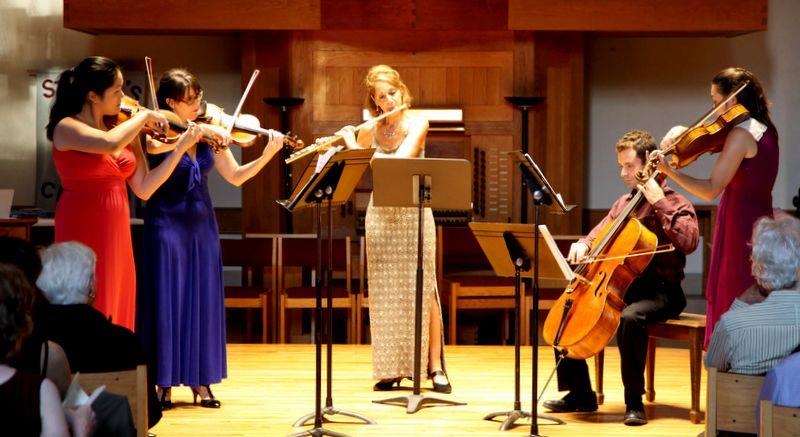
The whole issue of how to build an audience is all I live and breathe. Part of our challenge is to make newcomers see how much fun a classical chamber music concert can be! Mistral’s motto is: “Unstuffy, unpredictable, unmatched.” We break down barriers between the audience and the performers by introducing the works. We hold a question and answer period after intermission, which is invariably full of hilarity. (“How come women dress in revealing sparkling dresses and men get away with boring button-down shirts and oxfords?”)  When the audience gets to know the musicians personally, it adds a lot to the experience. 

Mistral Q&A

My instinct to keep the programming adventuresome appeals to some but not all our audience members. I try to juxtapose beloved masterpieces with newly discovered or rarely performed gems.  But many old-timers won’t come if they don’t recognize a composer. The key has always been to gain the trust of my audience members, and to present works,  new and old, that I hope they will love as much as I do.

What inspires you these days?

My audience members of all ages. We bring music into the school systems of Lawrence where the kids have no exposure to any of the arts.  Once I received the most amazing note afterward from a little boy who said that when he thought about the music later that day, he didn’t feel so hungry. I am forever touched by people who tell me that our concerts make a difference in their lives.  Founding my own chamber music series gave me a chance to connect with people and build a community through music. Audience members tell me how the music transports them, makes their lives richer, and reminds them what is important. This inspires and sustains me. 

Julie_in_Concert

 I recently learned you are a breast cancer survivor. How have you changed, if at all, as a result of that experience?

Fortunately, I have always had an easy time embracing life and appreciating each day. So when people ask me this, I usually respond that my outlook on life itself did not really change.  However, I did become aware of the fundamental role music can play during times of tribulation.

I spent long hours at Beth Israel Hospital sitting in my chemo chair while red poison was pumped into my veins. What made those hours bearable was listening to the most beautiful music imaginable through my earphones — the slow movements from Beethoven’s 9th or the Adagietto from Mahler’s 5thwhich lifted me out of a place of darkness into one of beauty.

Keeping my chamber music series going and continuing to play concerts while wearing a wig, kept my spirits high, and reminded me how beautiful life is and worth fighting for. The support received from my chamber music audiences was powerful.

I knew without a doubt that I was one of the lucky ones. Music lovers know why we need music in our lives but it was only when faced with this life-hurdle that I realized the indispensable role it played for me. 

I emerged from 6 months of treatment knowing there was more for me to do. I organized concerts in Boston and in Paris with full symphony orchestras to raise funds for women undergoing cancer treatments. I spoke to the audience about the role music played for me when I was battling cancer. I explained how life’s unexpected challenges spur people to find solace in different ways. 

I can safely say that music saved me.

I am happy to announce that in November of 2019, the world-famous conductor Simon Rattle is leading a concert I am organizing in Jordan Hall to raise funds for underserved women facing breast cancer in the greater Boston area.

 *  *  *

Thank you, Julie, for this inspiring interview. I can’t wait for Mistral’s new season!

mistral_117.jpg revised

What role does music play in your life?

Mistral_Logo

The Other Mother’s Day

Mother’s Day is a sad day for some people.

mother-s-day-beautiful-flower-sad-tulip_2560x1600_97332

Mother’s Day is a feel-good holiday celebrated with Sunday brunch, breakfast-in-bed, greeting cards, gifts, hugs, and visits.

While the media brings us warm stories of maternal love and devotion, we should remember those who face this day with longing, sadness, or ambivalence.

Mothers who have lost a child.

Women who have suffered multiple miscarriages.

Women unable to get pregnant.

Those who gave up a baby for adoption.

Those who never met their mother.

Those who lost their mother too early.

Those whose mother no longer recognizes them.

Those estranged from their mother.

Those with a mother in prison.

If you know someone in the above categories, reach out on Mother’s Day. Show sensitivity.  I think of my nieces and nephew, young adults, who have missed their mom for the past 4 and a half years.

If your mother is alive, count yourself lucky—no matter the state of your relationship.

You still have the chance to make peace, make amends, practice forgiveness, ask questions, or simply say, “I love you.”

Mothers-Day-Knitting-Image-GraphicsFairy


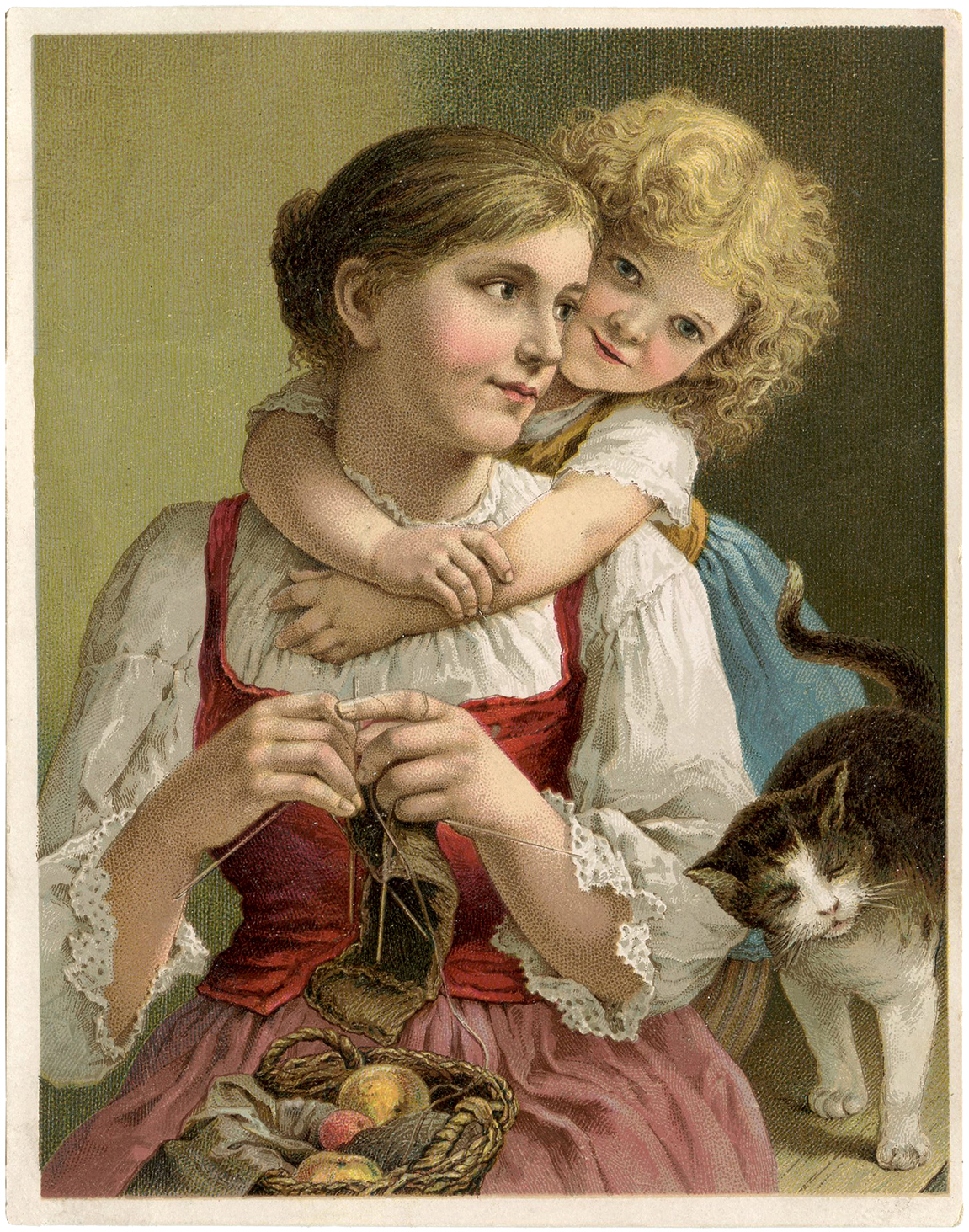
The way we understand and relate to our mothers will be different at twenty-five than at forty-five and at fifty-five. Becoming a mother made me understand my own better and appreciate her sacrifices, which I’d taken for granted in my youth.

As the eldest of six children, I was the designated babysitter during my teen years. I dreaded Saturday nights when I was on call to make dinner, care for a fussy baby or deal with a sibling who refused to go to bed. I thought it was so unfair that my mother left me in charge of my five siblings when I wanted to go out with friends. In my adolescent self-centeredness, I couldn’t fathom why she needed to go out every week.

Where was she going? On a date with my father—her beloved.

Years later, I’d remember this when trying to find a trustworthy babysitter to care for my own kids so I could enjoy a Saturday night date.

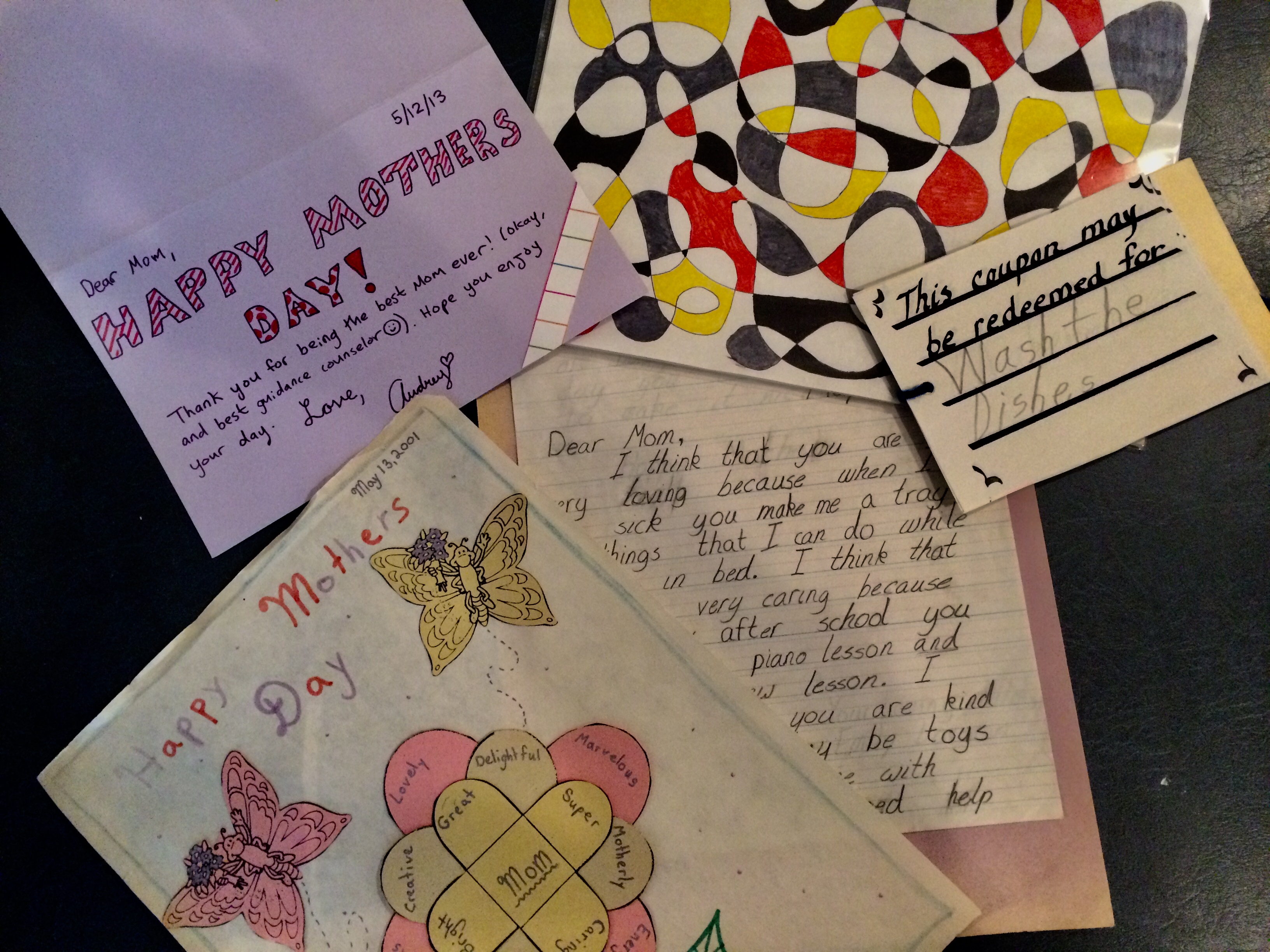
Today I’m grateful for the close relationship with my three children and hope it will continue to flourish into their adulthood.  I cherish the Mother’s Day gifts they’ve given over the years, especially the handmade ones with written expressions.

Mother's_Day_Cards_Handmade2

I think the greatest gift we can give our mothers (and fathers) is gratitude and appreciation.

Sift through any resentment and look for what your mom gave you, no matter how small.

Then let her know.

          *  *  *

Here’s mine.

Mom, thank you for…

Instilling in me a sense of adventure and romance.

Encouraging my talents.

Nourishing my imagination.

Fantastic childhood birthdays parties.

The gift of a musical home.

The gift of words—the family stories, children’s books, and poetry.

You may have tangible wealth untold;

Caskets of jewels and coffers of gold.

Richer than I you can never be –

I had a Mother who read to me.

                 ~Strikland Gillilan

What are you grateful for?

IMG_6530


Lights for Lori: Remember with love (Lori Gilbert Kaye) May 2019

Remembering Lori Gilbert Kaye by lighting shabbat candles.

Lori

Light_for_Lori

Last Saturday night, I checked the New York Times website at 10:30 pm, to see what I’d missed.

I hadn’t been online during the observance of the final day of Passover–also the Jewish Sabbath.

Hearing the news of any senseless attack on innocent lives is horrible enough. My close connection to the Jewish synagogue that was attacked made it all the more “up-close and personal.”

I had no words to write at the time. I still don’t. (My April 27th blog post, Time’s Arrow, had already been scheduled to run.)

Today, Friday afternoon, I returned from a 6-day writing residency to find the needed words in my inbox.

They were from a dear friend and mentor–Nechama Laber– who inspires Jewish women and girls across the globe with her positivity, strength, and faith. With her permission, I’m sharing excerpts of Nechama’s newsletter with you below.

Whatever your religious practice, lack of, or beliefs, I hope Nechama’s words inspire you to find ways to add light to your corner of the world in honor of Lori and all the innocent lives lost through acts of hate and terror.

Little_Light

_____________________________________________________________________

LIGHT FOR LORI!

Our hearts were torn into a million pieces upon hearing about the shooting at Chabad of Poway on the last day of Passover and the loss of a precious life, Lori Gilbert Kaye.

Lori was a pillar of her synagogue and community for over 30 years. In her last moments, she fought evil to save the lives of others. She is a true Eshet Chayil – a {Woman of Valor}–Warrior in our times. There is so much we can learn from her. “V’hachai Yiten El Libo” – the living shall take to heart.

The following facebook comments from her friends taught me so much about her.

“You are the kindest most generous person I know!


” 
How can I express more kindness and generosity?

“You are always thinking about others! You deserve it!” 
How can I think about another and help someone in need?

“Don’t ever change you are one of a kind!” 

The Lubavitcher Rebbe once sent a letter to a widow whose husband was a fallen soldier:  “A bullet, a shell fragment, or a sickness can damage the body, but it cannot hurt or affect the soul. It can cause death, but death is only the separation between body and soul.”

Lori’s soul will never change. Her legacy lives on. She is truly one of a kind!

Let’s light Shabbat candles for Lori with a prayer for peace and encourage others to do the same. Every mitzvah (good deed) we do is a candle that illuminates the darkness. Let’s increase in acts of goodness and kindness — just as Lori did each day.

Lori reminds us to appreciate our family. She wrote this message to her daughter and one can feel the love through her words. Let’s share our praise and love with our family members too. May God comfort Lori’s family and bring the redemption now!

“21 years ago, Hashem {God}gave me the opportunity for the greatest job ever! Happy Birthday, Hannah Jacqueline. It’s been a whirlwind journey & I cannot be more proud to be your mom. You are smart, kind, beautiful & wise beyond your years. We wish you abundant blessings as you begin this next chapter of your life. Keep reaching for the stars, & always remember to “Enjoy Life, It is Not A Dress Rehearsal”


Labor_Shabbos_Candles
Nechama Laber, center, two of her daughters, and their grandmother getting ready to light Shabbat candles.

Five Poems About Time’s Arrow–

Five poems about Time.

passing-the-time
“Inelegantly, and without my consent, time passed.”  ~ Miranda July

As National Poetry Month draws to a close, I bring you 5 powerful poems about the nature of time.  The last one is my creation. 

Time is very slow for those who wait;
very fast for those who are scared;
very long for those who lament;
very short for those who celebrate; but for those who love, time is eternal.

~William Shakespeare

Tree

The Trees

The trees are coming into leaf

Like something almost being said;

The recent buds relax and spread,

Their greenness is a kind of grief.
Is it that they are born again

And we grow old? No, they die too.

Their yearly trick of looking new

Is written down in rings of grain.
Yet still the unresting castles thresh

In full grown thickness every May.

Last year is dead, they seem to say,

Begin afresh, afresh, afresh.

~Phillip Larkin

butterfly-close-up-insect-248339

The butterfly counts not months but moments,
and has time enough.

Time is a wealth of change,
but the clock in its parody makes it mere change and no wealth.

Let your life lightly dance on the edges of Time
like dew on the tip of a leaf.

  ~Rabindranath Tagore

tile_flies_photo

Forever

I had not known before
    Forever was so long a word.
The slow stroke of the clock of time
    I had not heard.

‘Tis hard to learn so late;
    It seems no sad heart really learns,
But hopes and trusts and doubts and fears,
    And bleeds and burns.

The night is not all dark,
    Nor is the day all it seems,
But each may bring me this relief—
    My dreams and dreams.

I had not known before
    That Never was so sad a word,
So wrap me in forgetfulness—
     I have not heard.

        ~Paul Laurence Dunbar


today (1)

At The Museum of Time Gift Shop

I wish to buy us

just one more day.

I’ll pay full price,

spare no expense.

I’ll fill our day with

togetherness 

an ocean view

a symphony or two

words that matter

laughter to heal

             hugs to feel,

then wrap the day in sunshine

and a red ribbon of love.

I’ll hold my present

like a precious gem,

through the tumble of time

for however long—

until I find you again.

     ~Evelyn Krieger