Could You Save A Life?

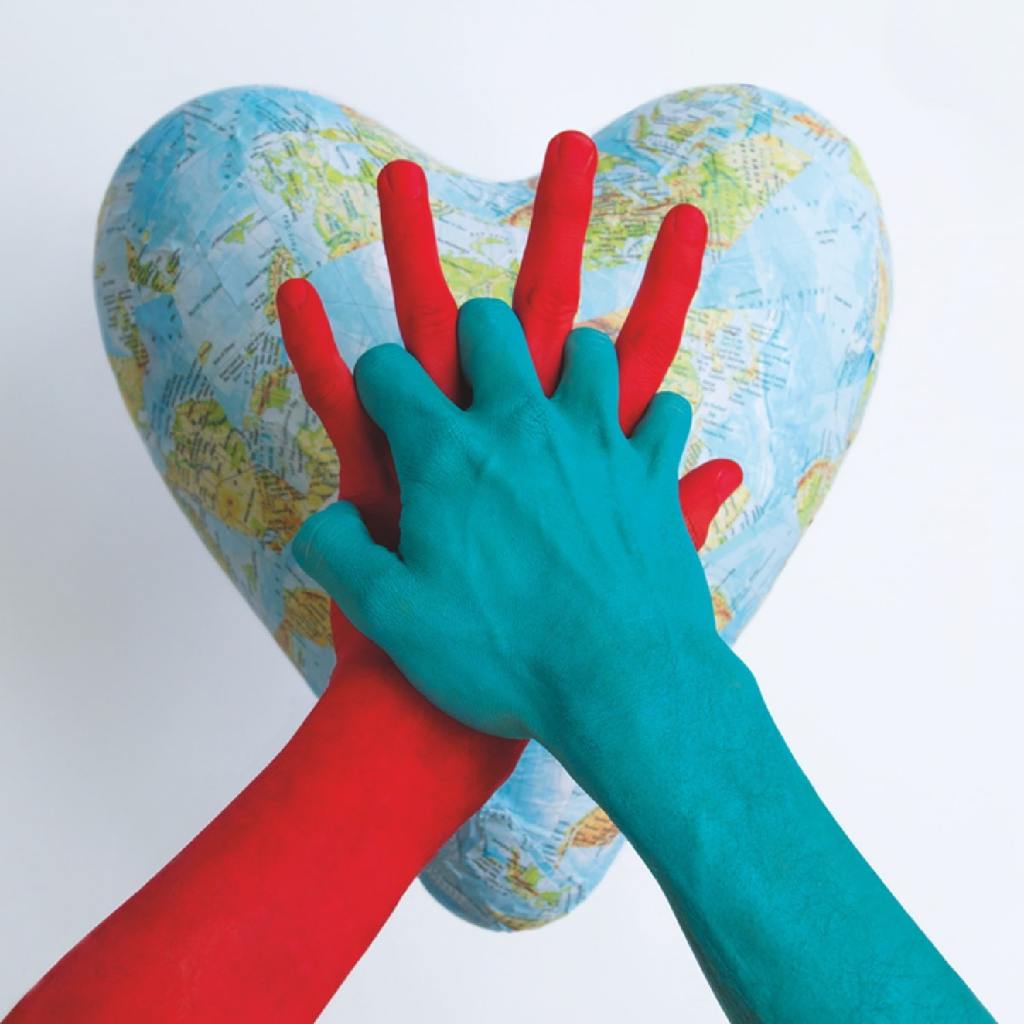
Do you know CPR? Could you save a life?

It can happen in a split second.

You’re going about your ordinary day only to be thrust into extraordinary circumstances.

Life and death.

A child. Blue lips. Screaming parents. Sounds you’ve never heard and hope never to hear again.

Your body reacts before your mind. Your hands take over compressing the little girl’s chest. Breathe your essence into her. One, two, three…

You’re pretty sure she’s gone, yet you stay calm amidst the chaos circling the room.

You believe in miracles.

After what feels an interminable wait, the paramedics arrive. You step aside as they take over, whisk the child away. 

The hysteria unfolds outside the house where the October sky is too beautiful for tragedy.

October 202

You recognize the shock in the mother’s face. You know what is happening to her brain and body because you have been there before. So you stay, try to steady her, speak gently, hold her, run through the house to find her shoes, help her go with the ambulance.

You answer the police officer’s questions. You notice his moist eyes. Now you are shaking. He takes you home, thanks you for being there, tells you to take good care of yourself.

But it is not you who needs care. You will be okay.

The child’s parents will remain in the After–a place you have lived in–never ever the same. 

This is what haunts you.

Their little girl doesn’t come home.

***

You reflect, of course. Try to make meaning of what happened before breakfast on a bright ordinary morning. Why you, of all people, were there at that right/wrong moment. You with the anxious brain prone to panic.

Later you will learn that there was nothing the parents, or you, could have done at that point to save the child. There were underlying circumstances. No one was at fault.

Of course there are no guarantees. Minutes matter. Often it is too late.

Still, you take comfort knowing you tried. And that those left to carry on are also comforted by this knowledge. You were with them in their worst moment. 

You think about a few close calls you had when your own children were little, how you did the right thing. But that was a while ago. So you take time to review other life-saving skills. Encourage others to do the same.

Because you never know when you’ll be called upon to help a stranger. Or a neighbor. And if that doesn’t motivate you to learn first-aid skills, then think of your children, grandchildren, or spouse. 

Could you perform CPR?

Could you save someone from choking?

Do you know the signs of a stroke?

Do you know how to use a home fire extinguisher?

It can happen in a split second.

I know. I’ve been there. ~

What do you miss right now? May 2020

Our_Town

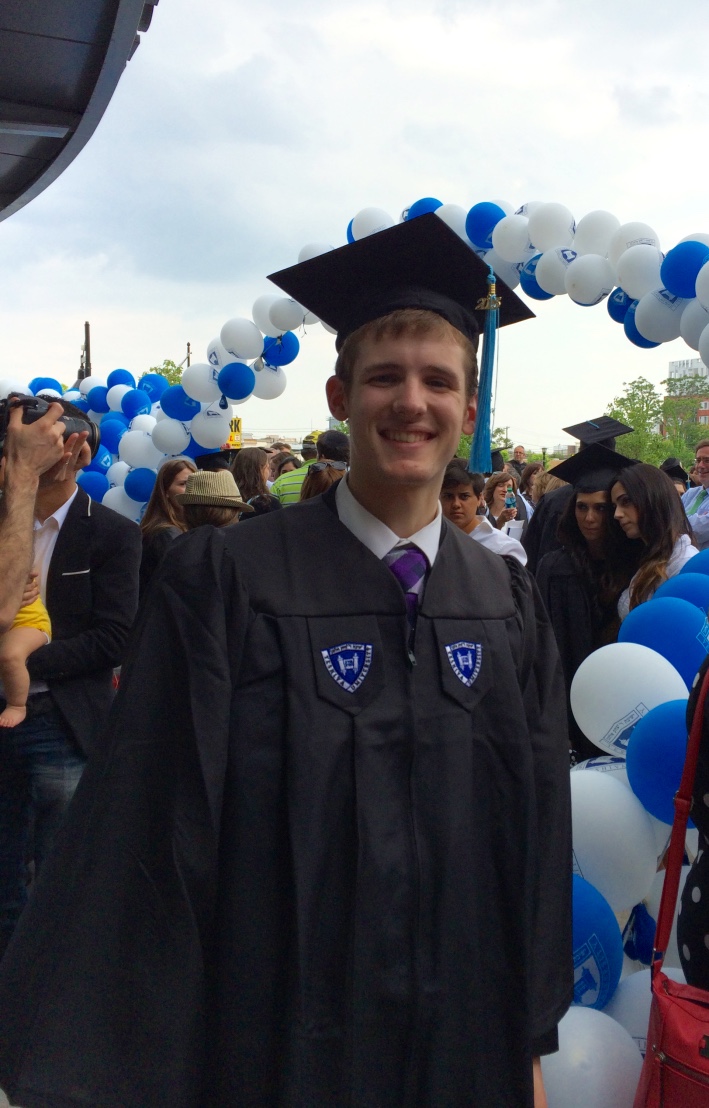
My friend told me she feels guilty about her sadness at missing her oldest son’s high school graduation when so many people have lost their lives to Corona virus.

I told her there is nothing to feel guilty about. There is no yardstick for grief. Yes, it can always be worse, yet why don’t we feel better when someone says this?

We are all experiencing loss right now of every magnitude.

We have lost our physical communities.

We have lost trust in our leaders.

We have lost milestone celebrations.

We have lost the freedom to travel freely.

We have lost the chance to attend that special concert.

We have lost our spot on the beach.

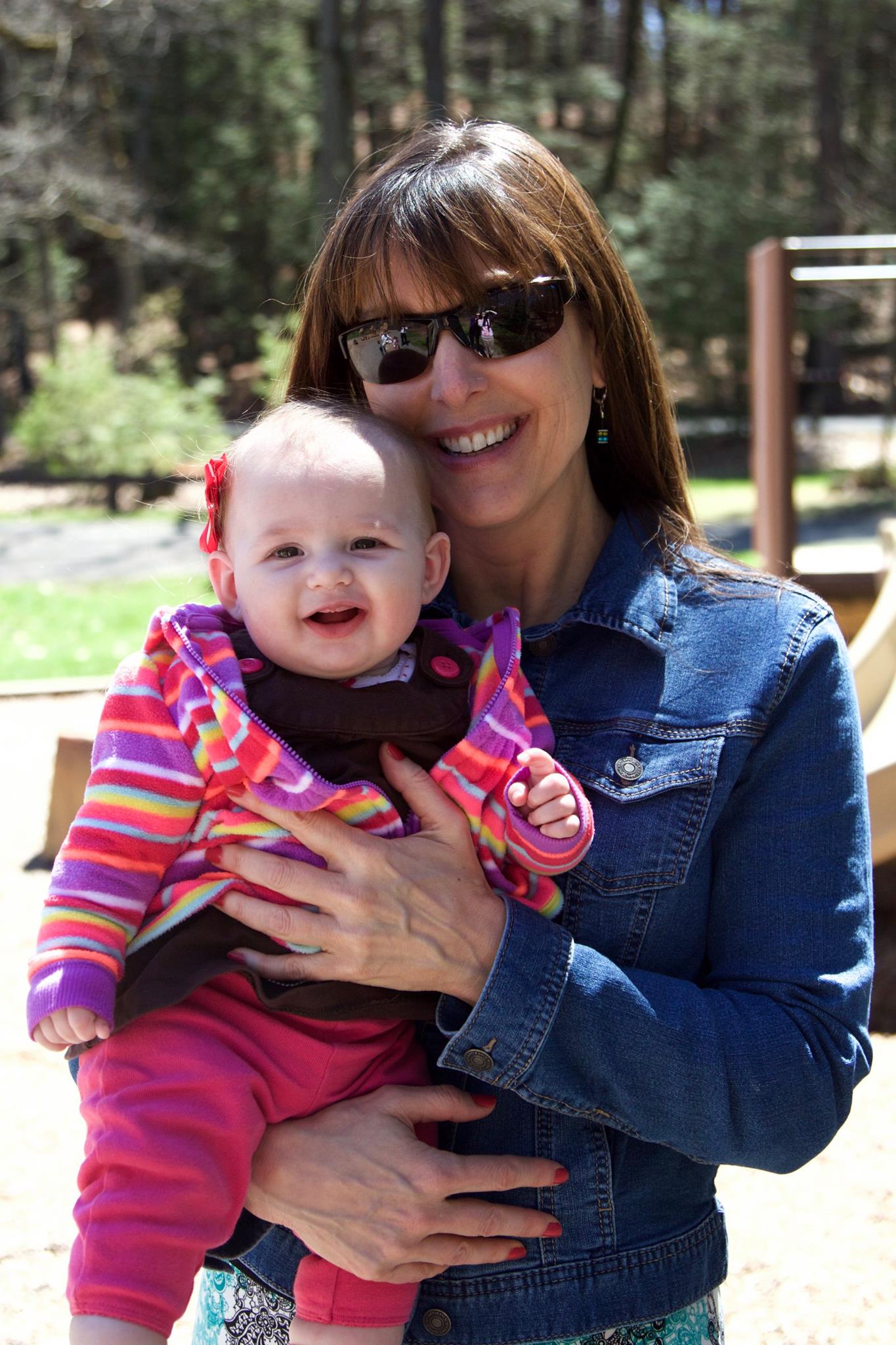
We have lost the ability to kiss our grandchildren.

Gig & Rivkah Pesach 2016

And much more.

Some losses caused by the Covid-19 pandemic aren’t apparent at first. They hit us as our child’s birthday approaches.  The hit us as we flip the calendar: Cape Cod trip. 

These losses may seem small but they add up. They loom large in our heart.

Before the pandemic, I tried keeping a gratitude journal as espoused by so many self-help gurus. My entries tended toward big things: family, friends, health, work, and home. It was hard to think of the small things.

That is, until they are gone.

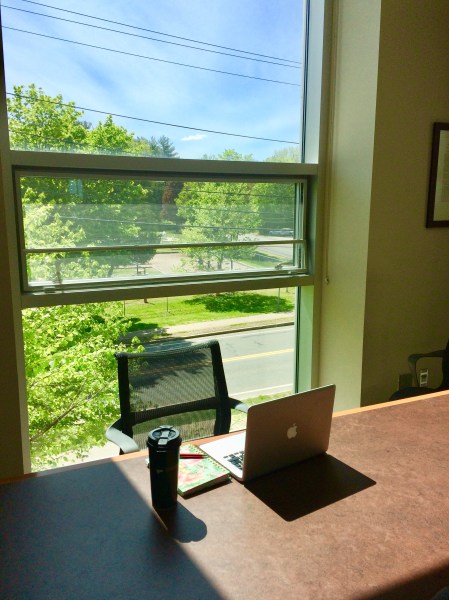
Here’s one thing I missed early on: my morning writing space at the library.  This sunny glass room with a view. Free to use—just sign up. 

LIbrary Spot

Why didn’t this appear in my gratitude journal? 

Because I couldn’t fathom losing it.  

I have a good imagination. Over-active sometimes.  I write fiction, after all.  Yet, I never imagined that in March 2020 a world-wide pandemic would close my special writing space in Boston.

Often, we don’t appreciate what we have until it’s gone. Trite but true.

I am confident that I’ll have this writing space back in the near future.

But you only get one high school graduation.

tOkDg1jXSneSiHVJBWNbrg_thumb_3189

Acknowledge your losses. Grieve them, no matter how small. Find comfort. Think of something to look forward to. Make a list of what you still have.

Rosmarie Heusser's Comments - Peace for the Soul

I

And remember, it’s okay to miss the small stuff.  Manicures and malls. Coffee shops and handshakes. Smiles from strangers. 

So go ahead, tell me what you miss, big and small. 

No yardsticks here.

Version 2 (1)

The Other Mother’s Day

Mother’s Day is a sad day for some people.

mother-s-day-beautiful-flower-sad-tulip_2560x1600_97332

Mother’s Day is a feel-good holiday celebrated with Sunday brunch, breakfast-in-bed, greeting cards, gifts, hugs, and visits.

While the media brings us warm stories of maternal love and devotion, we should remember those who face this day with longing, sadness, or ambivalence.

Mothers who have lost a child.

Women who have suffered multiple miscarriages.

Women unable to get pregnant.

Those who gave up a baby for adoption.

Those who never met their mother.

Those who lost their mother too early.

Those whose mother no longer recognizes them.

Those estranged from their mother.

Those with a mother in prison.

If you know someone in the above categories, reach out on Mother’s Day. Show sensitivity.  I think of my nieces and nephew, young adults, who have missed their mom for the past 4 and a half years.

If your mother is alive, count yourself lucky—no matter the state of your relationship.

You still have the chance to make peace, make amends, practice forgiveness, ask questions, or simply say, “I love you.”

Mothers-Day-Knitting-Image-GraphicsFairy


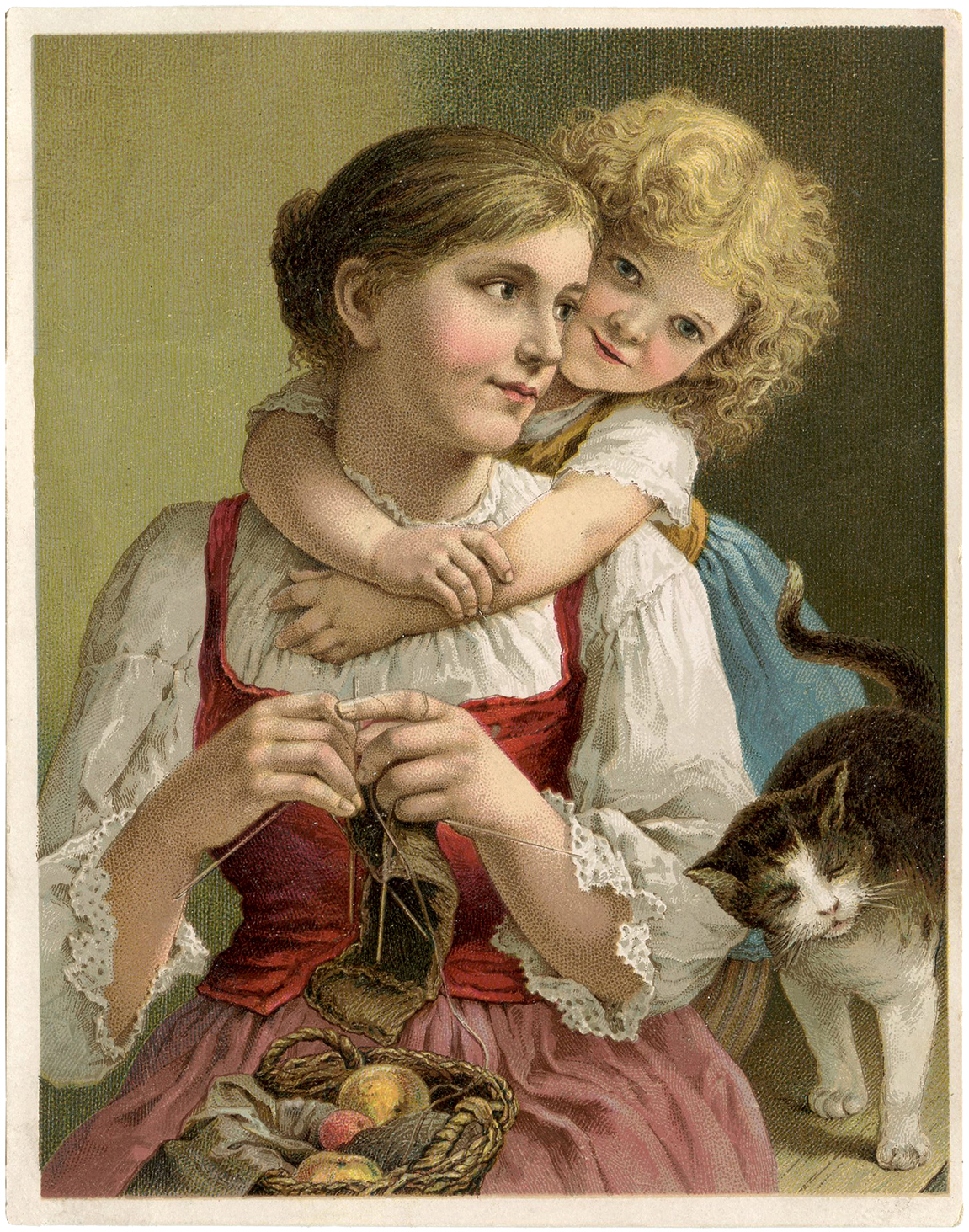
The way we understand and relate to our mothers will be different at twenty-five than at forty-five and at fifty-five. Becoming a mother made me understand my own better and appreciate her sacrifices, which I’d taken for granted in my youth.

As the eldest of six children, I was the designated babysitter during my teen years. I dreaded Saturday nights when I was on call to make dinner, care for a fussy baby or deal with a sibling who refused to go to bed. I thought it was so unfair that my mother left me in charge of my five siblings when I wanted to go out with friends. In my adolescent self-centeredness, I couldn’t fathom why she needed to go out every week.

Where was she going? On a date with my father—her beloved.

Years later, I’d remember this when trying to find a trustworthy babysitter to care for my own kids so I could enjoy a Saturday night date.

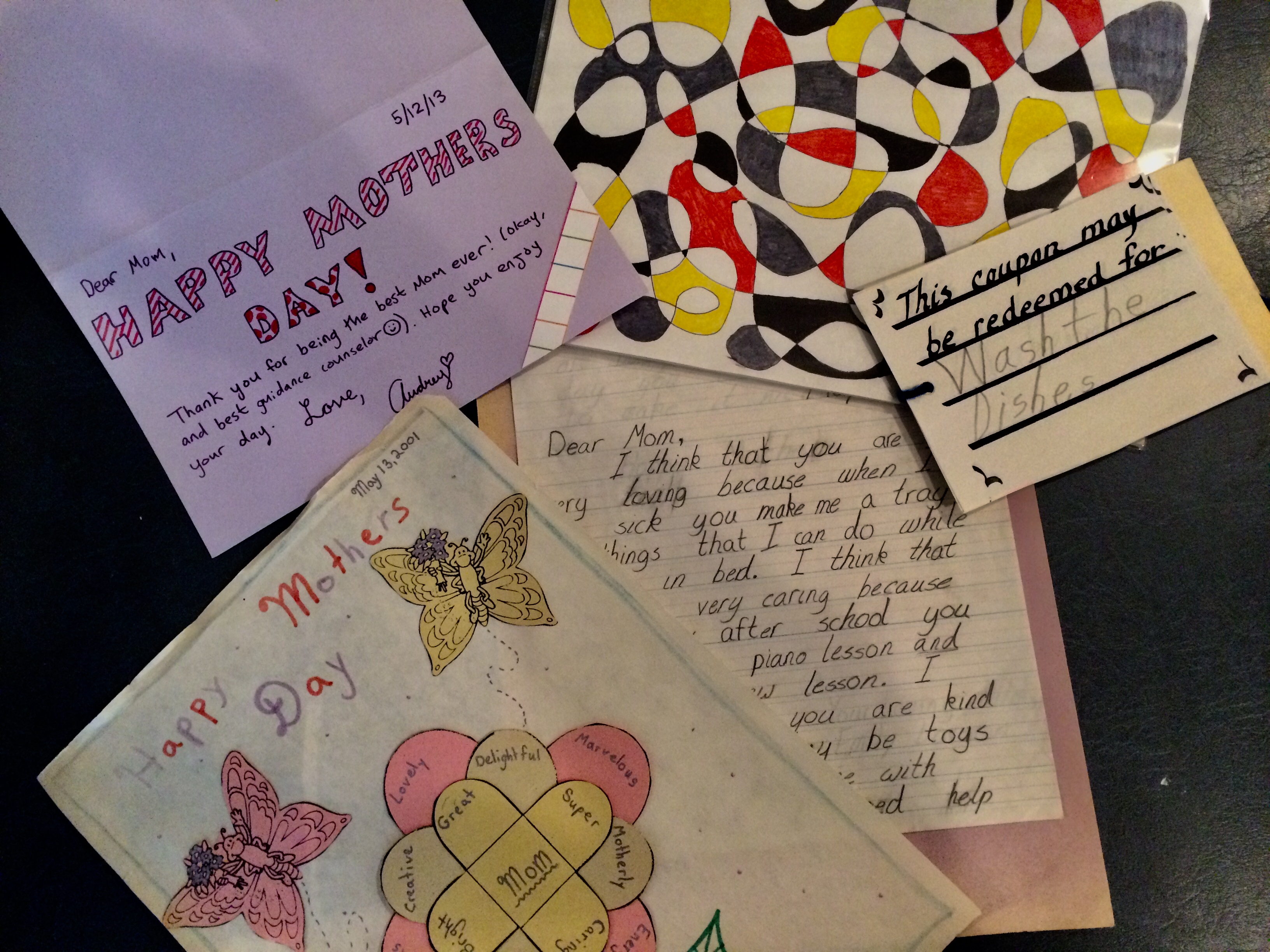
Today I’m grateful for the close relationship with my three children and hope it will continue to flourish into their adulthood.  I cherish the Mother’s Day gifts they’ve given over the years, especially the handmade ones with written expressions.

Mother's_Day_Cards_Handmade2

I think the greatest gift we can give our mothers (and fathers) is gratitude and appreciation.

Sift through any resentment and look for what your mom gave you, no matter how small.

Then let her know.

          *  *  *

Here’s mine.

Mom, thank you for…

Instilling in me a sense of adventure and romance.

Encouraging my talents.

Nourishing my imagination.

Fantastic childhood birthdays parties.

The gift of a musical home.

The gift of words—the family stories, children’s books, and poetry.

You may have tangible wealth untold;

Caskets of jewels and coffers of gold.

Richer than I you can never be –

I had a Mother who read to me.

                 ~Strikland Gillilan

What are you grateful for?

IMG_6530


Turning Darkness to Light through Story

Happy_Children

“One of the luckiest things that can happen to you in life, I think, is to have a happy childhood.”  ~ Agatha Christie

“Childhood is a very, very tricky business of surviving it.”  ~Maurice Sendak

What first comes to mind when you hear the word “childhood”?

I’m guessing you might answer: innocence, joy, play, fun, laughter, silliness, or wonder.

What about the word “depression”?

Childhood depression should be an oxymoron. But it is a reality for too many children and the parents who love them.

One of the special characteristics of children is that, unlike grownups, they don’t stay mad or sad very long. But some children are born with a brain chemistry, genetic makeup, or nature that make it difficult to experience the lightness and joy of childhood, no matter how loving and stable their home.

“We naturally want and expect children to be happy,” my writer friend Irene Buchine says, “and when they’re not, we try to do something about it. We buy them a new toy, do a fun activity, talk, give hugs. But sometimes we can’t fix the unhappiness, and this feels awful.”

Depressed_Child

Irene knows a lot about childhood depression. Her only son, now a young adult, showed symptoms of rage, frustration, sadness, and suicidal thinking by age eight. 

When other parents complained about their children’s everyday woes— not being picked for the travel team, not getting the lead in a play, having a squabble with a friend, being too shy—Irene was struggling to keep her child from despair.

“I couldn’t relate to these parents. I felt alienated,” she said. “My son and I lived in a bubble of silence outside the norm.”

  Irene’s parenting world revolved around psychiatrists, therapy appointments, hospitalizations, and various medications. She fought to protect her son in public school where he was often mistreated and misunderstood.

“While some teachers were invested in him, others lost patience.”  Irene advocated tirelessly on her son’s behalf to keep him safe. “There were times,” she told me tearfully, “when I honestly didn’t know if I was going to lose him.” 

I met Irene a year and a half ago at a local meet-up of SCBWI (Society of Children’s Book Writers and Illustrator).  She’s a petite powerhouse who radiates energy and warmth. We immediately connected.  As we got to know one and other, we shared, not only our writing goals but our personal journeys of struggle and growth. Listening to Irene’s story, I marveled at her ability to exude such a love for life.

Irene has turned her painful experience into a passion project to help others. She wants to shed light on childhood depression, to open the uncomfortable discussion, and to let other parents and children know they are not alone. 


She translated this desire into action by writing and illustrating a small book with a big message. Celia and the Little Boy is the story of two children trapped in the darkness, and what it took for them to find their way out.”  Illustrated with child-like pencil drawings, this timeless tale is for readers ages 8 to 98. img_69311.jpg

Last week, I attended Irene’s book launch at the Canton Public Library. Speaking to a room full of supporters, Irene shared the story’s journey from inspiration to draft to published book. Irene’s son, now an adult, fully approved of her sharing his story, which is also his mother’s story.  

Irene read the Celia and the Little Boy aloud while the pages were projected on a large screen.  I could just feel the overwhelming emotion of the audience as Irene read the last, hopeful sentence. 

The next step in Irene’s passion project is to connect with parents, teachers, pediatricians, and therapists.  Irene wants to offer, not only hope but information on this devastating illness that impacts families and communities at both the personal and national level.

 IMG_6921

We can all learn from people like Irene who, rather than allowing themselves to be pulled under, reach toward the light. They turn pain into healing and meaning. They become activists, mentors, volunteers, writers, and spokespersons driven by a sense of purpose. They use the lessons gleaned from their loss, grief, or struggle to help ease another’s burden.

Now I think I know how Irene maintains her inner joy. Like her book character, Celia, Irene feels the struggle, yet is still able to see the world as a “truly wondrous place”.  

As she so eloquently writes in her dedication:  For all the children who dwell alone in the darkness and those who can see them.”

happychild2

For more information on Celia and the Little Boy Irenebuchine.com

Do you regret quitting ______?

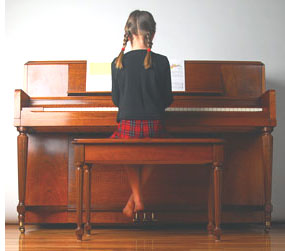
Piano_Lesson_Photo

Do you regret quitting music lessons as a child?

Do you wish your parents had pushed you to continue studying piano? 

Do you regret dropping out of competitive swimming or gymnastics or skating or dance? 

What about your own children? When do you let them quit a sport or artistic pursuit? What if your child is very talented? 

In my unscientific survey, the answers run the gamut from insisting one’s child continue studying to a certain age or level, to leaving the decision completely up to her. Some parents told me they don’t even suggest lessons until their child asks for them. 

For certain activities like singing, acting, and painting, one can much more easily pick it up again an adult.  But for other pursuits, there is a window of possibility both physically and mentally.  The opportunity for training narrows.  At some point, the pre-professional student must decide where he is heading because of the increasing demands of pursuing his art or sport. There is only so much time.

If you have devoted years to supporting your child’s passion or talent and he suddenly decides to quit, your heart may twist in a knot. 

Maybe you see yourself in him. Maybe he is (was) living your own unfulfilled dreams.  You might believe that he is foolishly passing up opportunities for accomplishments and accolades. Y

You worry that he will regret his decision.

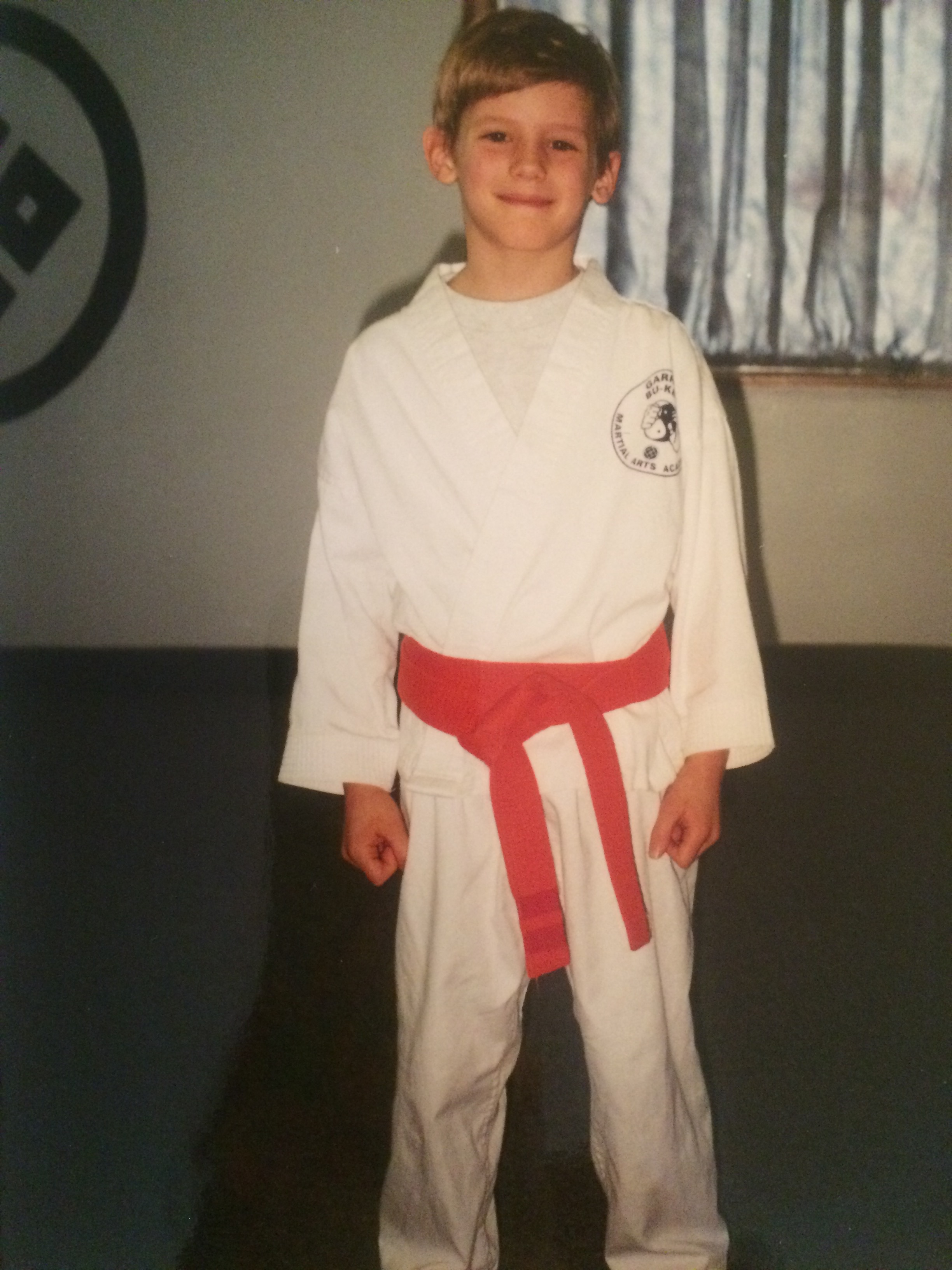
My son walked at 9 months and was catching a ball by his first birthday. His pediatrician noted “motor skills genius” on Sam’s chart. At age 9, just before he was to earn his first black belt in karate, Sam insisted on quitting. It wasn’t that he didn’t like karate anymore (he practiced at home all the time), he didn’t want to go to the classes.

His father and I wondered if the additional requirement for the black belt (writing an essay and leading the class) was the culprit. Or, maybe it was the intimidating and stern sensei. (Heck, this man scared me.)  Sam could not articulate the real reason, if there was one, but he put up quite a big fight and refused to continue training at the dojo.

The sensei told us we were making a terrible mistake. Sam showed exceptional talent.  The rewards for his personal development down the line were too great to pass up. Parents shouldn’t make such an important decision on the whims of a fickle nine-year-old, he said.

We let Sam quit.

IMG_6593

Still, our son never stopped moving. In addition to studying piano and chess, Sam excelled in swimming and tennis. He played varsity basketball and fenced competitively.  Recently, he’s taken up martial arts again.  Sam, now 23, holds no regrets about our/his decision, though admits to wondering if it was the “right” one.

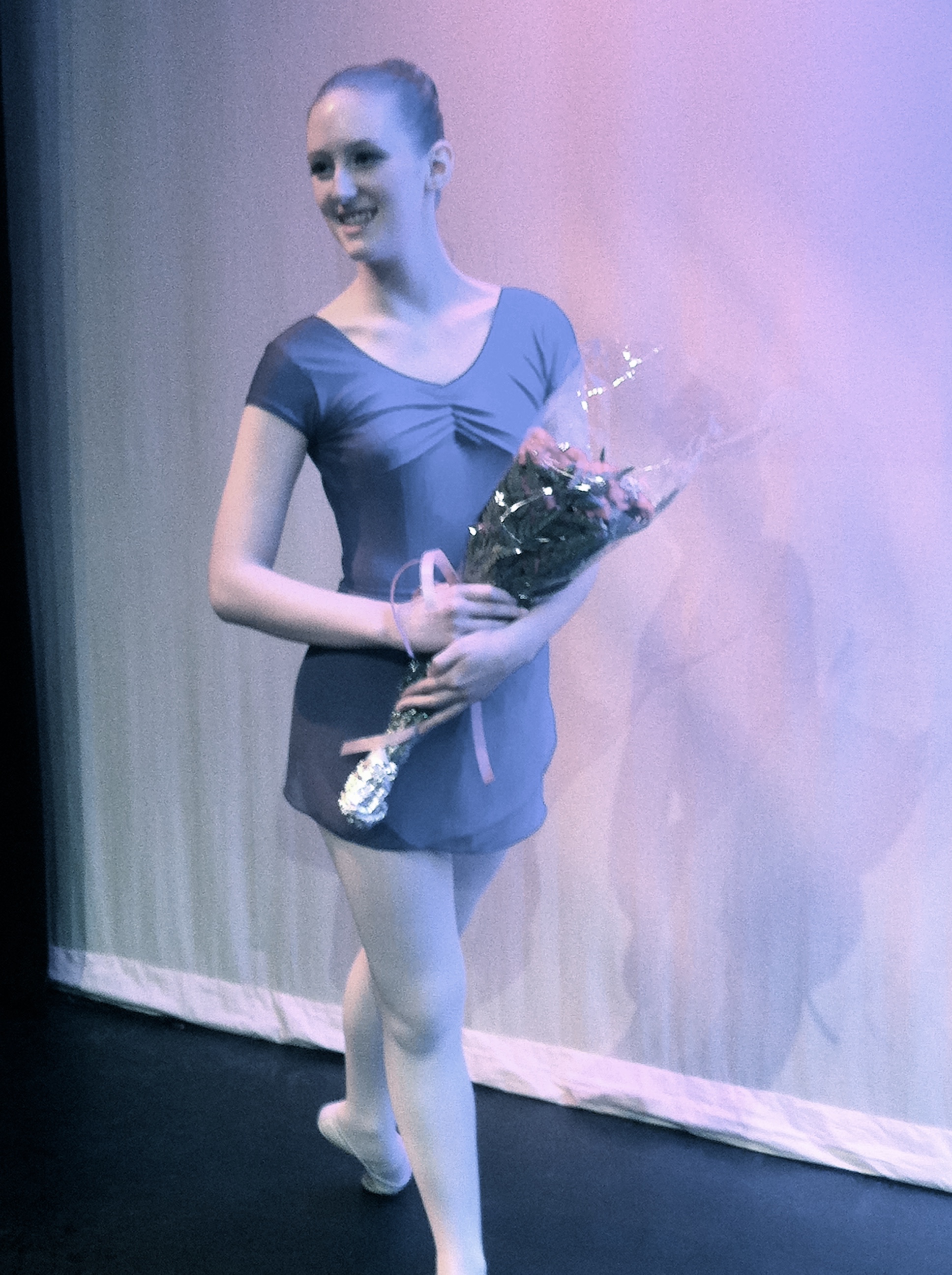
With my youngest daughter, Audrey, the decision to end her pre-professional ballet study at 16 was hard on both of us, but mostly me. Dance was (and still is) my passion.  It meant a lot that my daughter and I shared this.

 Despite the sacrifices involved, I committed to supporting her training which mostly involved driving and waiting. I loved watching Audrey grow as a dancer. I miss those days.

Recently, I wrote about the experience for Grown and Flown, a wonderful website and blog on parenting young adults. After this publication, I’ve received a lot of comments from others parents in similar situations—soccer, horseback-riding, violin—who related to my angst.

Interestingly, another mom wrote to me describing the opposite situation. She and her husband were never fully on board with their daughter’s desire to pursue dance professionally. After graduating with a BFA in dance, their daughter is now trying to get her big break in NYC. The reader wrote:  “So.. I was never a dance mom. More a mom that allowed my child to steer her ship….hoping that I did the right thing and that her dream becomes a reality.” 

Her honest words put a new spin on this parenting dilemma.   

You can read my essay, The Last Ballet Lesson”, here.   I welcome your thoughts.

IMG_2903

  My ballerina.