Is It Ever Too Late To Find Love?

“When you realize you want to spend the rest of your life with somebody, you want the rest of your life to start as soon as possible.

– Nora Ephron

In the past month, I’ve been invited to three weddings. My Facebook feed is filled with announcements of engagements and wedding photos of beaming couples.

And they’re not all young.

2022 is turning out to be the Year of the Wedding. More couples are expected to getting hitched than since 1984. According to some reports , an estimated 2.5 million U.S. couples will marry in 2022. The pandemic is certainly a big factor behind the stats.
Credit: Thomas William


As a writer, I’m drawn to love stories. Fiction and fact. Big and small. I’m fascinated by beginnings and wonder in what ways a couple’s origin story might influence subsequent chapters.

Writer-once-upon-a-time

Credit: Jeremy Bishop

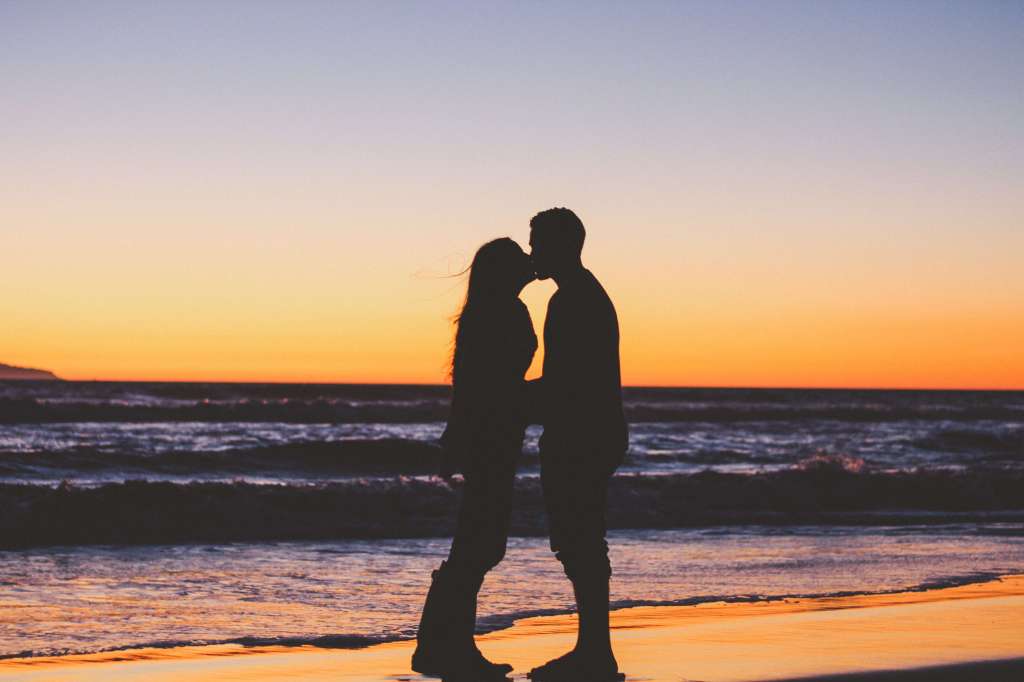
I like to ask long-time married friends how they met their spouse. Do they remember their first kiss.? (Surprisingly, not everyone does!)

My mother still loves to retell the story of her starstruck blind date with my dad, and their first kiss on a carriage around Central Park. 

There are the “I knew the moment I saw her” stories.
And the quieter stories of sparks that developed over time.

There are couples who didn’t seem to click at first and then, like defogging a mirror, a clearer vision appeared–a common plot of Hollywood rom-coms.

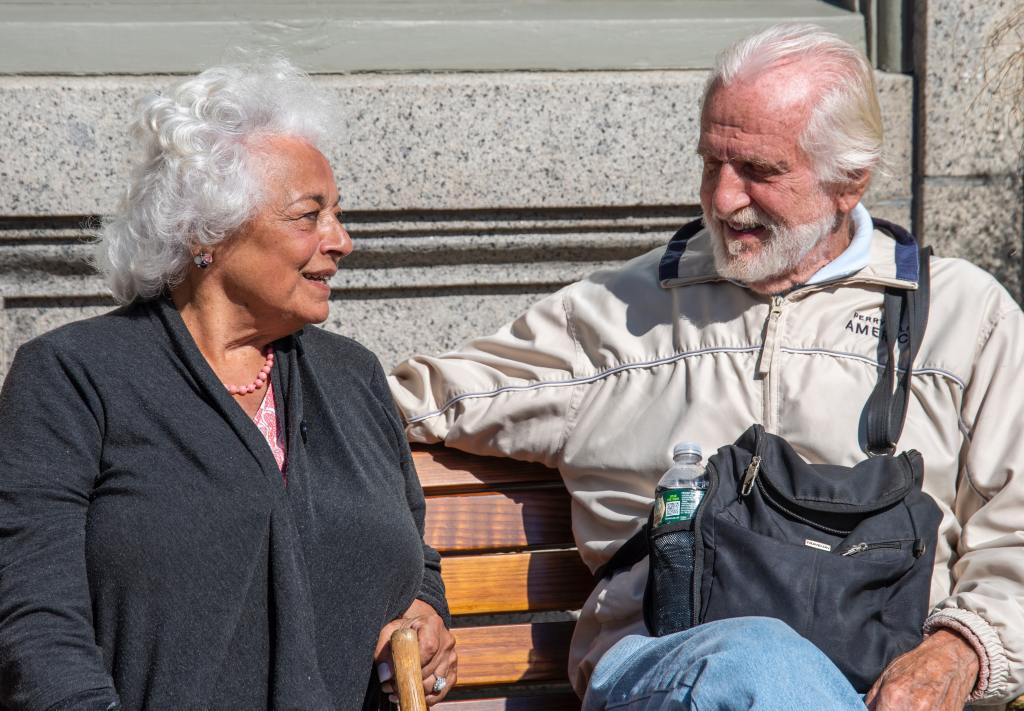
Then there are the stories of those who met much later in life, each person carrying long histories the other had no part of.

Novels I’ve enjoyed with such themes are Meet Me At The Museum by Anne Youngson and Mr. Pettigrew’s Last Stand by Helen Simonson
Credit: Rusy Watson

When you can’t take anymore depressing news headlines, I suggest turning to the weekly Vows section of the New York Times.

There you will find fascinating and diverse true love stories (beginnings only, of course) complete with photos, sure to bring a smile. Profiles of love after great loss, through illness, serendipity, and against all odds–as the saying goes.

Some of my favorites Vows stories are of those who meet late in life-a testament that it’s never too late to find true love.

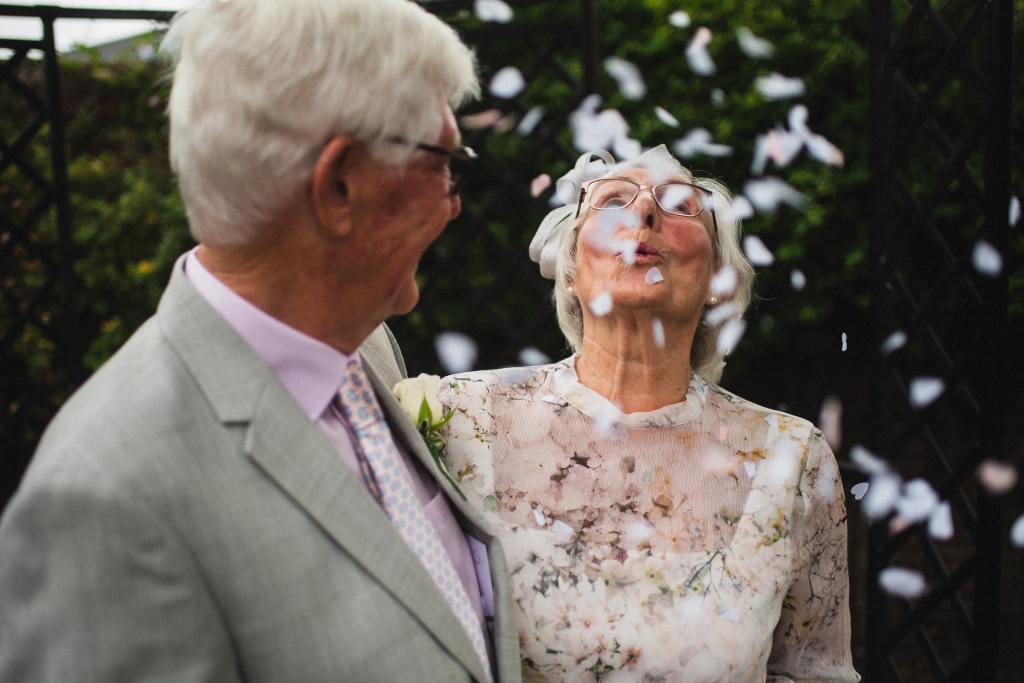
Two octogenarians marry but decide to live “apart together ”. 
Credit: China Rocha

Folk singer Arlo Guthrie and Marti Ladd’s 20 year friendship culminated in a 2021 wedding.

Uplifting stories, uplift us. Stories of love and new beginnings inspire hope.

Author Joyce Maynard has published essays about her late-life love. After divorcing in her mid-thirties, she spent the next 24 years successful in her writing career but failing at relationships. About to give up after another dud date , she met Jim who became her husband and “true partner” at age 59. Sadly, Jim died of pancreatic cancer barely 3 years later. The experience inspired Joyce’s 2017 memoir, The Best of Us.
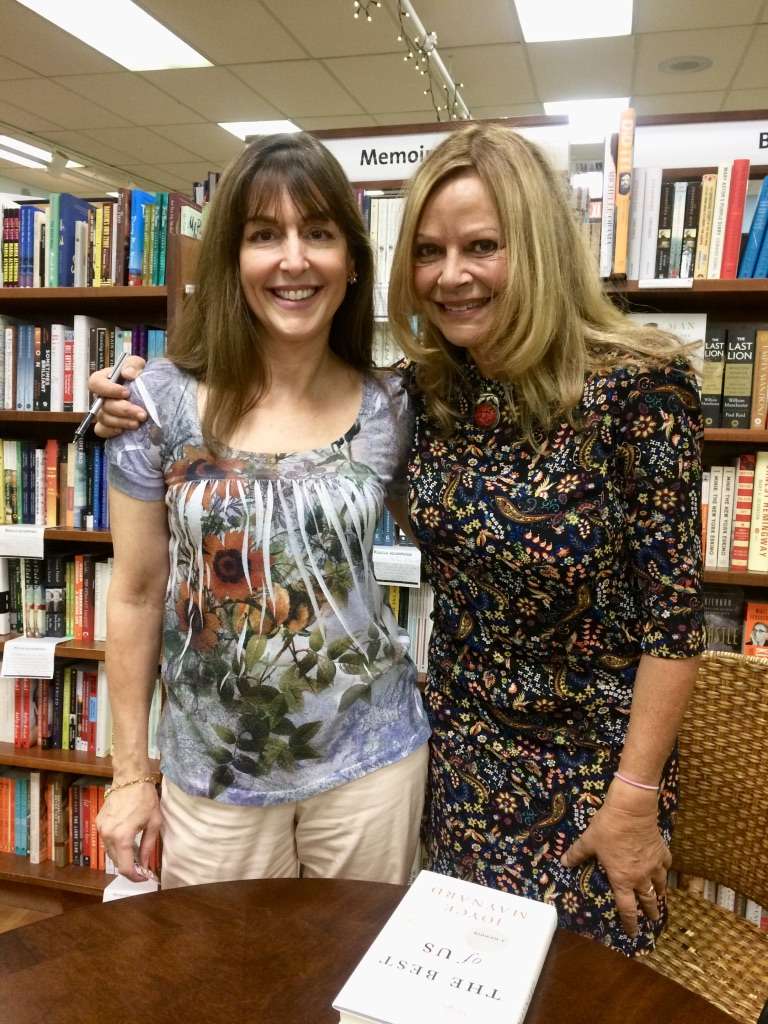
Joyce & I at Wellesley Books

Finding love again after loss, whether from divorce or death, can seem insurmountable. Yet people do. Their broken heart opens, making space for a new beloved while still carrying the memory of the other. I’ve witnessed this beautiful and bittersweet transformation among friends and family members.

Dr. Helen Fisher is a biological anthropologist who has done extensive research and writing on the nature of love.

“Romantic love is primordial, adaptable, and eternal.  It’s a basic brain system that, like a sleeping cat, can become awakened anytime in your life . Being in love beyond one’s mating years give you energy, well-being, motivation, and focus.”

What we think of as inevitable phases of love (sex drive, romance, deep attachment), Fisher thinks of as brain systems that can occur in any order. More surprisingly, she concludes that they do not have to disappear in longterm partnerships.

Fisher’s brain imaging studies show that some couples continue to experience all three phases well into their later years. Her studies in this area are intriguing.

“You can be in intensely in love at 22 as you can at 92.”

Helen Fisher, Ph.D
Credit: Ellie Cooper

Interesting to note: Dr. Fisher got married for the first time at 75 (!) and she and her husband live in separate households in the same city. That tidbit definitely sparked my curiosity.

So, don’t give up if love is what you are still seeking.

It’s easy to become discouraged. But no matter how long it takes, it only takes One to begin a new story. 

Credit: Julie Kerner

Celebrating Fathers Present and Past

Fathers Day without a dad is always bittersweetness.

IrisImages:Getty


Your Brain on Grief

Getty Images

Why does grief hurt so much? 

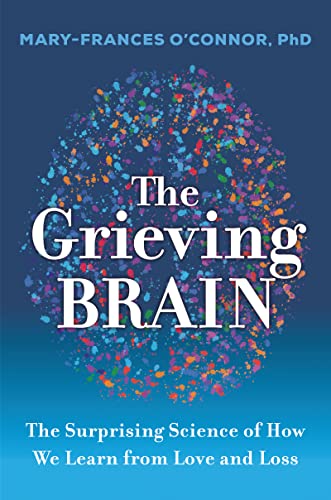
Mary-Frances O’Connor’s new book, The Grieving Brain: The Surprising Science of How We Learn from Love and Loss attempts to answer this question and more through neuroscience and personal stories of bereavement. 

Dr. O’Connor, a clinical psychologist, directs the Grief, Loss, and Social Stress Lab at the University of Arizona. She studies the effects of grief on the brain and body. Her findings show how the brain’s hormones and neurochemicals produce this aching and seemingly unbearable sensation we know as grief.

Perhaps you’ve had the experience of disbelief after a loved one died.

Maybe you even continued to look for him or her, even though you witnessed the funeral. O’Connor explains this phenomenon. 

The brain struggles to understand what happened when our loved one dies. The dimensions that we once knew them in—space and time—disappear. 

Yet we remain attached.

AgeFotoStock

Our brain hasn’t yet caught up with this disparity and still expects our loved one to return.

The brain has to unlearn the predicted associations of place and time. The passage of time is needed to update the mind maps we used to locate our loved one.

Alicia_Garcia: Getty Images/iStockphoto

O’Connor’s grief studies include loss of important friendships and romantic breakups. These losses also produce a sense of disbelief and yearning.

Absence of a special person, O’Connor says, sets off emotional alarm bells. Our invisible attachment bonds are stretched beyond what we think we can handle.

This alarm is compounded if the absence occurs abruptly, a.k.a “ghosting”. Since our brain believes and knows the absent person is still “out there”, it searches for explanations and seeks to “fix” whatever led to the departure.

Just as after a death, our brain must learn to imagine a future apart from this absent love. 

I found the The Grieving Brain a fascinating read. O’Connor sheds light on the universal experience of grieving, helping us to feel less alone, less crazy, and better equipped to move forward.

***

She concludes with this comforting thought:

“The physical makeup of our brain–the structure of our neurons–has been changed by them. …and these neural connections survive in physical form even after a loved one’s death…Once we have known love, we can bring it into our awareness, we can feel it emerge and emanate from us…Because of our bonded experience, that loved one and that loving are a part of us now, to call up and act on as we see fit in the present and the future.”

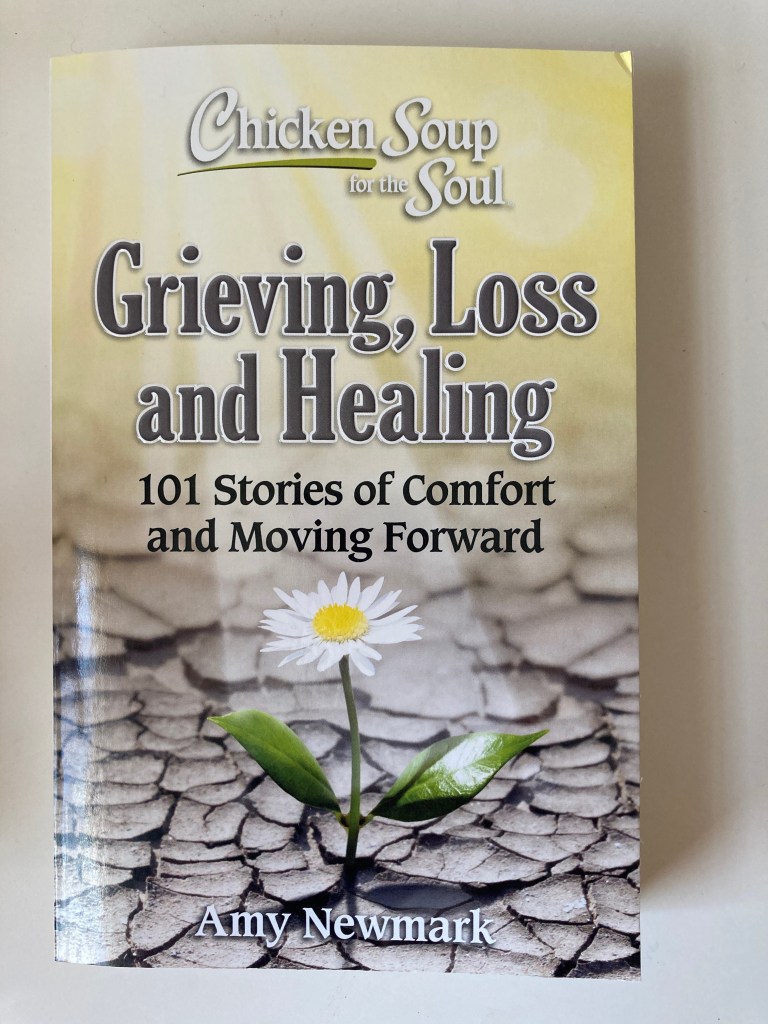
Update: My adapted essay, “Losing My Words”, has been included in the newly published Chicken Soup for the Soul: Grieving, Loss, and Healing. 101 Stories of Comfort and Moving Forward.

Winter Solstice Reflection: Where were you 2 years ago?

The pandemic has forced us to make peace with uncertainty.

December 13, 2019. 

I’d just returned from a fabulous NYC trip. My daughter and I shopped Fifth Avenue, dined out, enjoyed the holiday displays, visited Rockefeller Center, and happily sat in a crowded Broadway theatre.

We had no idea what was in store for the 2020 New Year. Couldn’t even imagine it. 

No idea that some faraway virus would upend our lives. 

No inkling that her 2020 NYU graduation would be cancelled. 

Never fathomed that the Broadway we’d always enjoyed would shut down in two months. 

And so it goes.

Here we are December 19th, 2021, still exhausted from risk calculations. The Omicron news brings flashbacks to 2020. We may be in a different, even better place, yet for many of us, our bodies remember the trauma and react as if it’s happening all over again. 

The pandemic years have forced us to make peace with uncertainty. As a result, I’m less inclined to put things off, and more inclined to grab an opportunity when it arises. 

So, recently, my daughter and I grabbed tickets to a holiday musical showing in Boston. We were all dressed up and ready to go when we learned that the show was cancelled.

Yet a strange thing happened.

Instead of utter disappointment, we were more relieved to find this out before driving all the way into Boston at night! Thankfully, the venue offered us the chance to rebook. So we grabbed that, too.

A few days later, we sat in the Wang Theatre among the other vaccinated or negative-testing patrons, all masked. Exactly 2 years from the date of our Broadway show. 

I even wore the same dress to commemorate the milestone.

And while it certainly felt different, it still felt wonderful.

***

The shortest, and darkest, day of the Northern Hemisphere approaches. And yet, the winter solstice also means the days are getting slightly longer, though it will take a while to notice.

Tonight there’s the full Cold Moon to marvel. 

And the annual Ursids meteor shower to catch.

This year, though, the bright moon will make it harder to see those spectacular shooting stars.  

Be patient. 

Keep watching.

Don’t miss the show. ~

December 19, 2019. Moon Dance Begins Again.

Could You Save A Life?

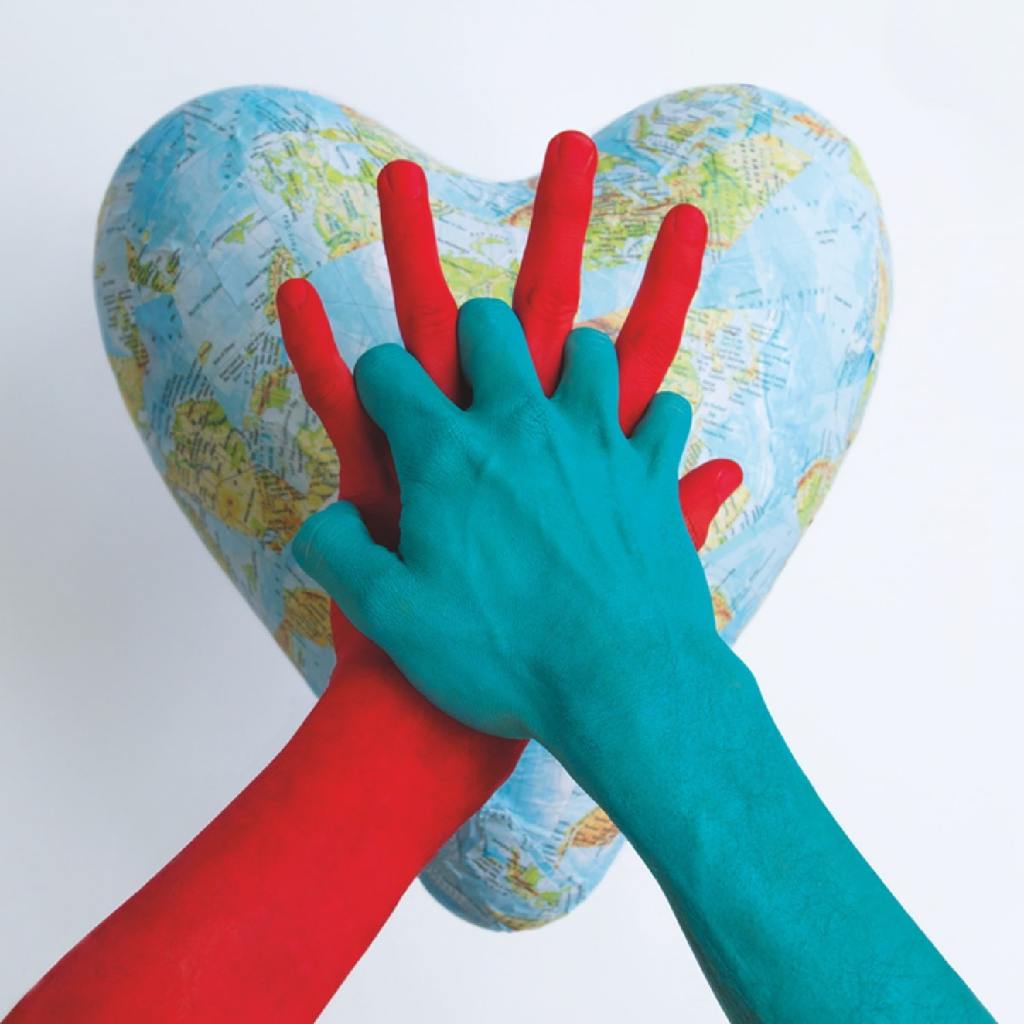
Do you know CPR? Could you save a life?

It can happen in a split second.

You’re going about your ordinary day only to be thrust into extraordinary circumstances.

Life and death.

A child. Blue lips. Screaming parents. Sounds you’ve never heard and hope never to hear again.

Your body reacts before your mind. Your hands take over compressing the little girl’s chest. Breathe your essence into her. One, two, three…

You’re pretty sure she’s gone, yet you stay calm amidst the chaos circling the room.

You believe in miracles.

After what feels an interminable wait, the paramedics arrive. You step aside as they take over, whisk the child away. 

The hysteria unfolds outside the house where the October sky is too beautiful for tragedy.

October 202

You recognize the shock in the mother’s face. You know what is happening to her brain and body because you have been there before. So you stay, try to steady her, speak gently, hold her, run through the house to find her shoes, help her go with the ambulance.

You answer the police officer’s questions. You notice his moist eyes. Now you are shaking. He takes you home, thanks you for being there, tells you to take good care of yourself.

But it is not you who needs care. You will be okay.

The child’s parents will remain in the After–a place you have lived in–never ever the same. 

This is what haunts you.

Their little girl doesn’t come home.

***

You reflect, of course. Try to make meaning of what happened before breakfast on a bright ordinary morning. Why you, of all people, were there at that right/wrong moment. You with the anxious brain prone to panic.

Later you will learn that there was nothing the parents, or you, could have done at that point to save the child. There were underlying circumstances. No one was at fault.

Of course there are no guarantees. Minutes matter. Often it is too late.

Still, you take comfort knowing you tried. And that those left to carry on are also comforted by this knowledge. You were with them in their worst moment. 

You think about a few close calls you had when your own children were little, how you did the right thing. But that was a while ago. So you take time to review other life-saving skills. Encourage others to do the same.

Because you never know when you’ll be called upon to help a stranger. Or a neighbor. And if that doesn’t motivate you to learn first-aid skills, then think of your children, grandchildren, or spouse. 

Could you perform CPR?

Could you save someone from choking?

Do you know the signs of a stroke?

Do you know how to use a home fire extinguisher?

It can happen in a split second.

I know. I’ve been there. ~